Life drawing
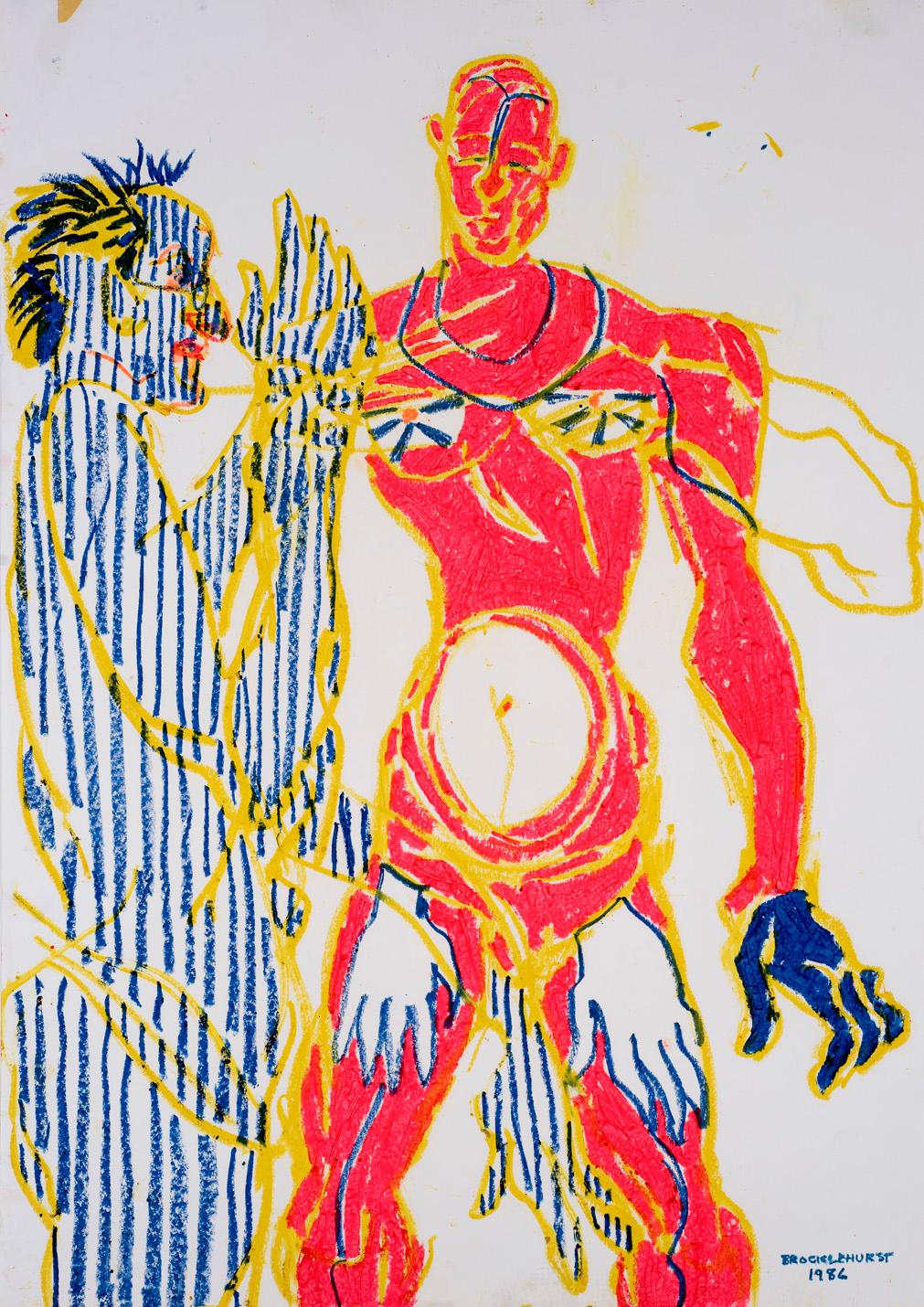
Jo Brocklehurst, Untitled (Karl Oppermann and student at Diskurs festival), 1986
Jo (Josephine) Brocklehurst (1935 - 2006) studied at Central Saint Martins and began her career as a fashion illustrator. She later focused on portraiture, drawing directly from models at her studio in West Hampstead and in nightclubs and theatres in Berlin, London and New York. Her work documents the alternative subcultures of the 1970s, 80s and 90s that went on to shape mainstream fashion and performance scenes. In 1986 Brocklehurst visited the Institute of Applied Theatre Studies in Giessen, Germany during Diskurs Festival. She drew Karl Oppermann and his students performing The Crazy Locomotive, a play written by Stanisław Ignacy Witkiewicz.
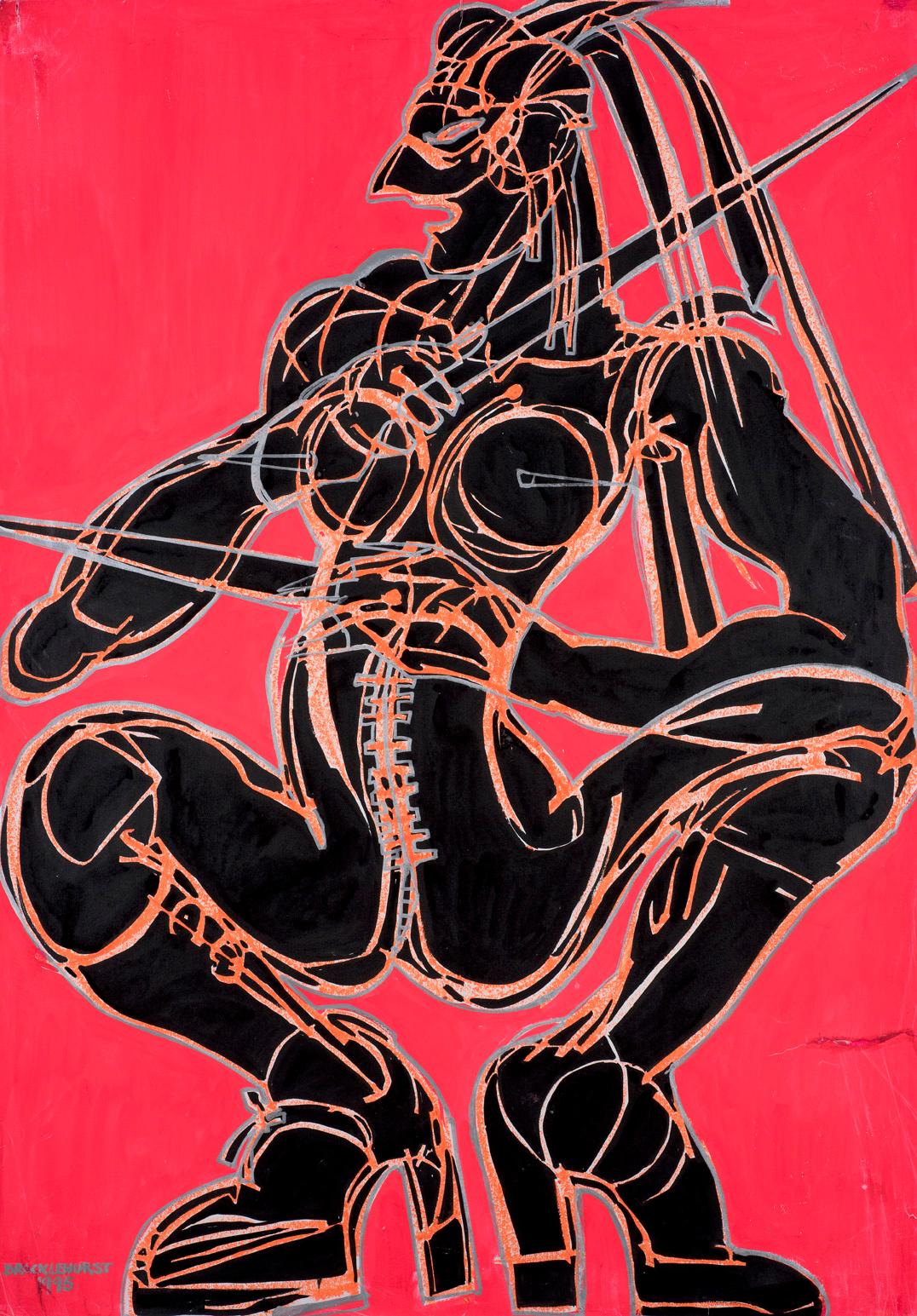
Jo Brocklehurst, Untitled (portrait of Eryka Isaak), 1995
Jo (Josephine) Brocklehurst (1935 - 2006) studied at Central Saint Martins and began her career as a fashion illustrator. She later focused on portraiture, drawing directly from models at her studio in West Hampstead and in nightclubs and theatres in Berlin, London and New York. Her work documents the alternative subcultures of the 1970s, 80s and 90s that went on to shape mainstream fashion and performance scenes. In the 1990s, Brocklehurst began drawing the fashion designers and performers finding space for experimentation in the fetish clubs of Soho and King’s Cross.
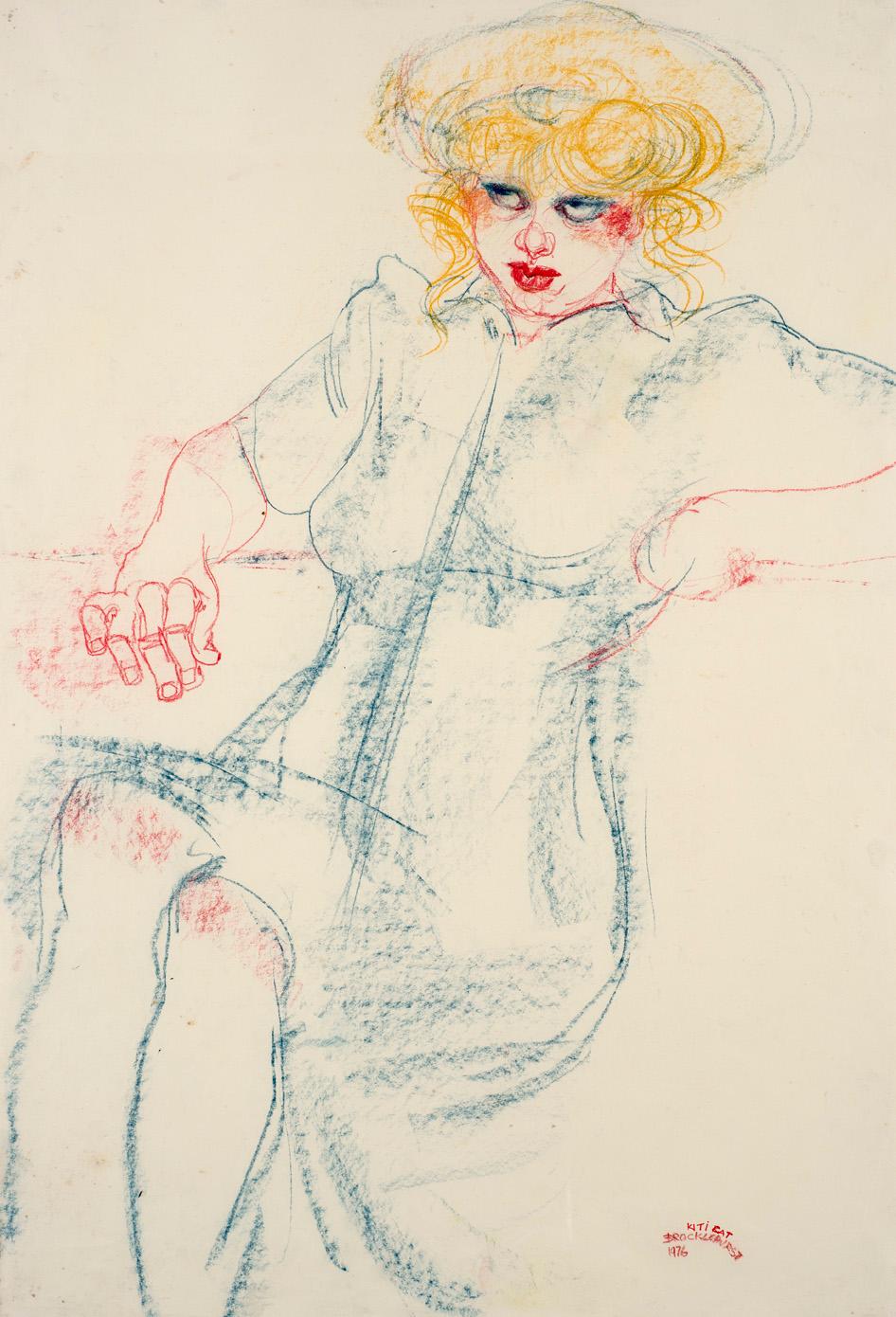
Jo Brocklehurst, Kiti Cat, 1976
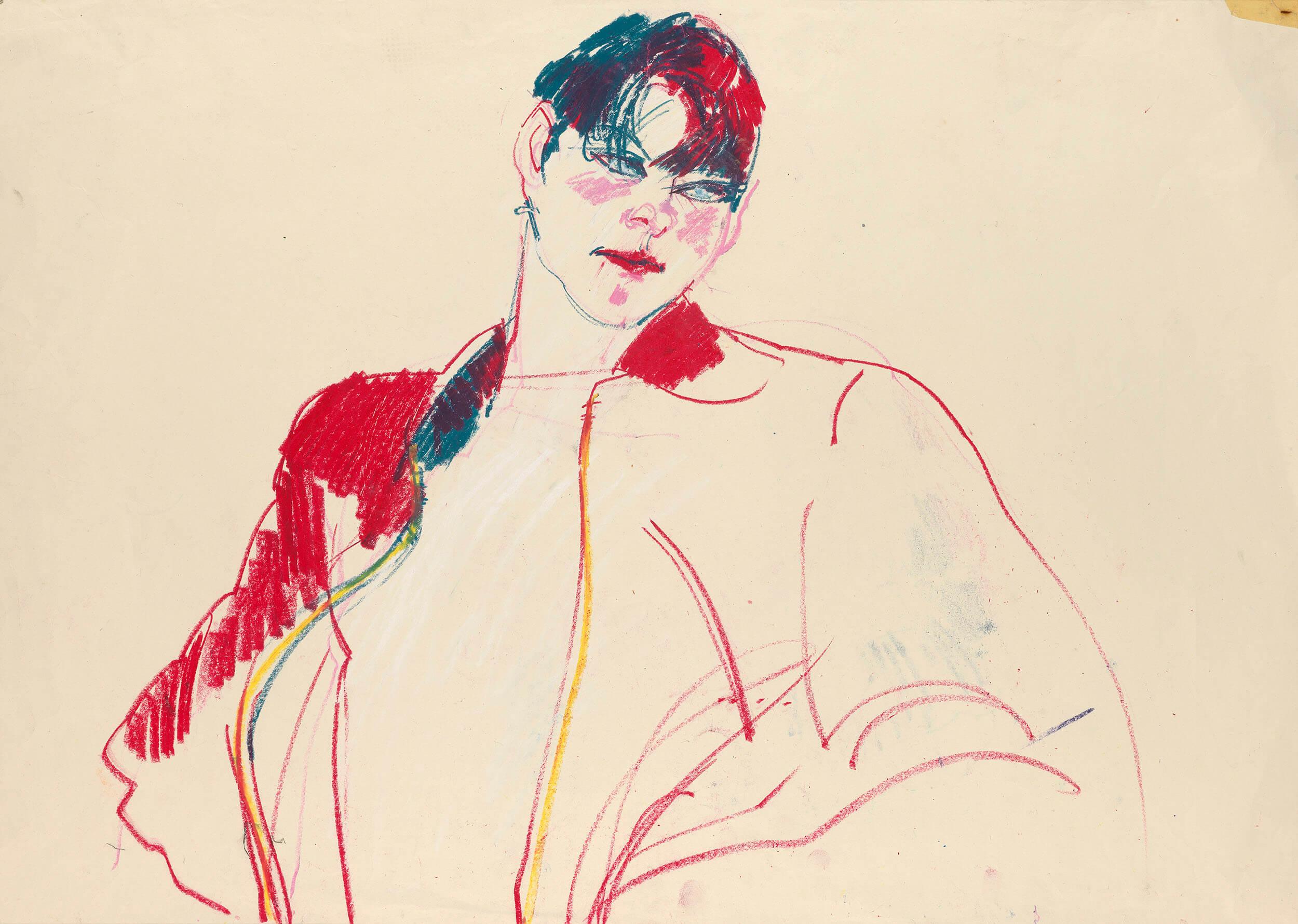
Jo (Josephine) Brocklehurst (1935 - 2006) studied at Central Saint Martins and began her career as a fashion illustrator. She later focused on portraiture, drawing directly from models at her studio in West Hampstead and in nightclubs and theatres in Berlin, London and New York. Her work documents the alternative subcultures of the 1970s, 80s and 90s that went on to shape mainstream fashion and performance scenes.
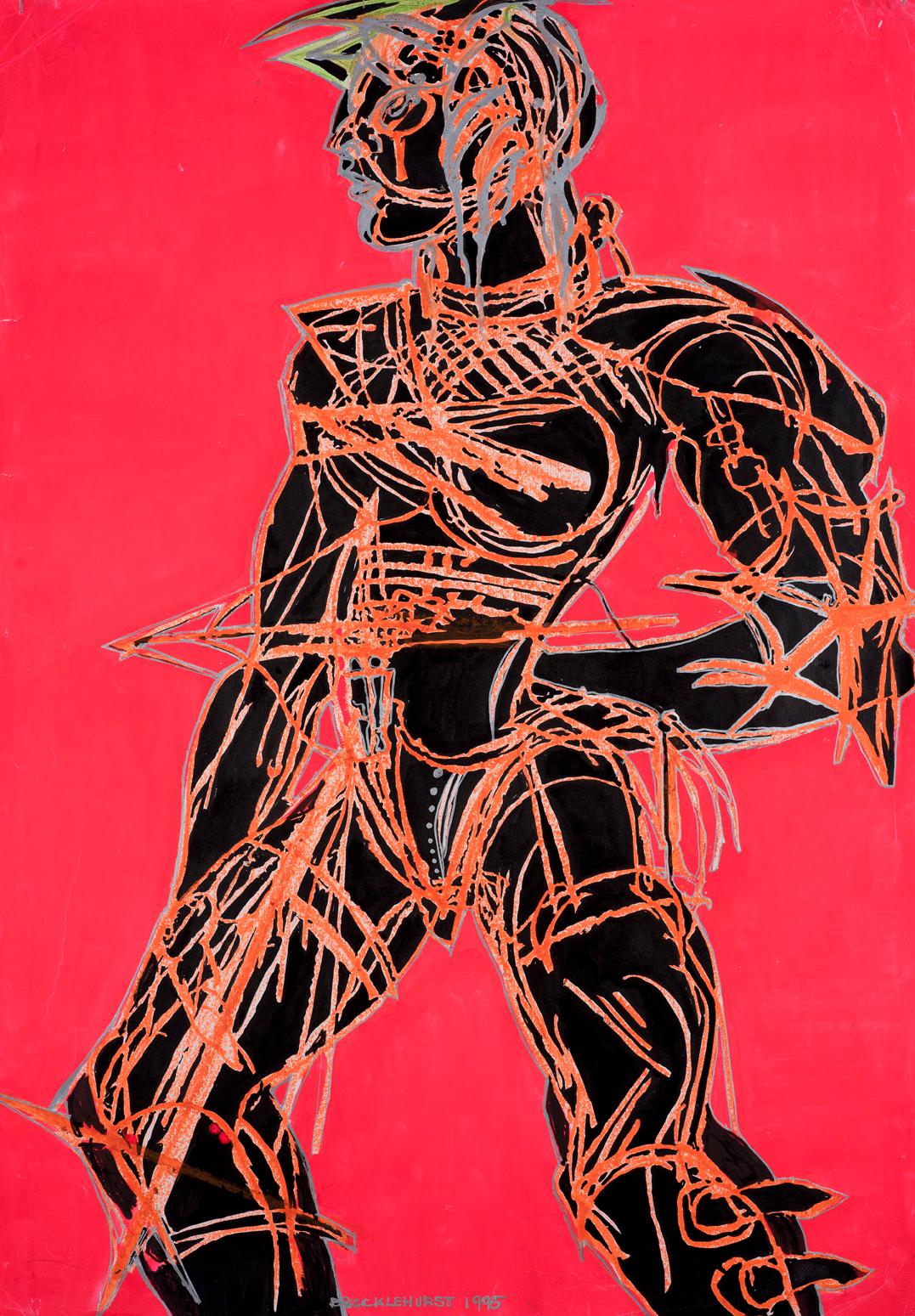
Jo Brocklehurst, Untitled (portrait of Liz de Havilland), 1995
Jo (Josephine) Brocklehurst (1935 - 2006) studied at Central Saint Martins and began her career as a fashion illustrator. She later focused on portraiture, drawing directly from models at her studio in West Hampstead and in nightclubs and theatres in Berlin, London and New York. Her work documents the alternative subcultures of the 1970s, 80s and 90s that went on to shape mainstream fashion and performance scenes. In the 1990s, Brocklehurst began drawing the fashion designers and performers finding space for experimentation in the fetish clubs of Soho and King’s Cross.
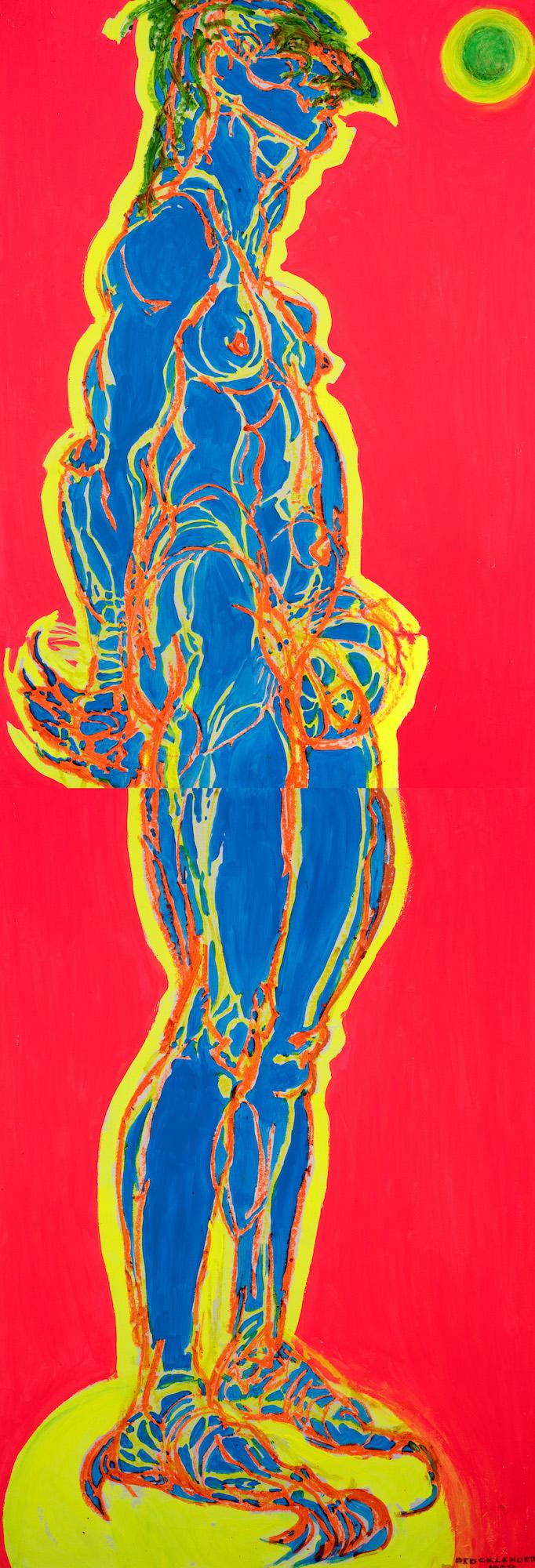
Jo Brocklehurst, Untitled, 1988
Jo (Josephine) Brocklehurst (1935 - 2006) studied at Central Saint Martins and began her career as a fashion illustrator. She later focused on portraiture, drawing directly from models at her studio in West Hampstead and in nightclubs and theatres in Berlin, London and New York. Her work documents the alternative subcultures of the 1970s, 80s and 90s that went on to shape mainstream fashion and performance scenes.
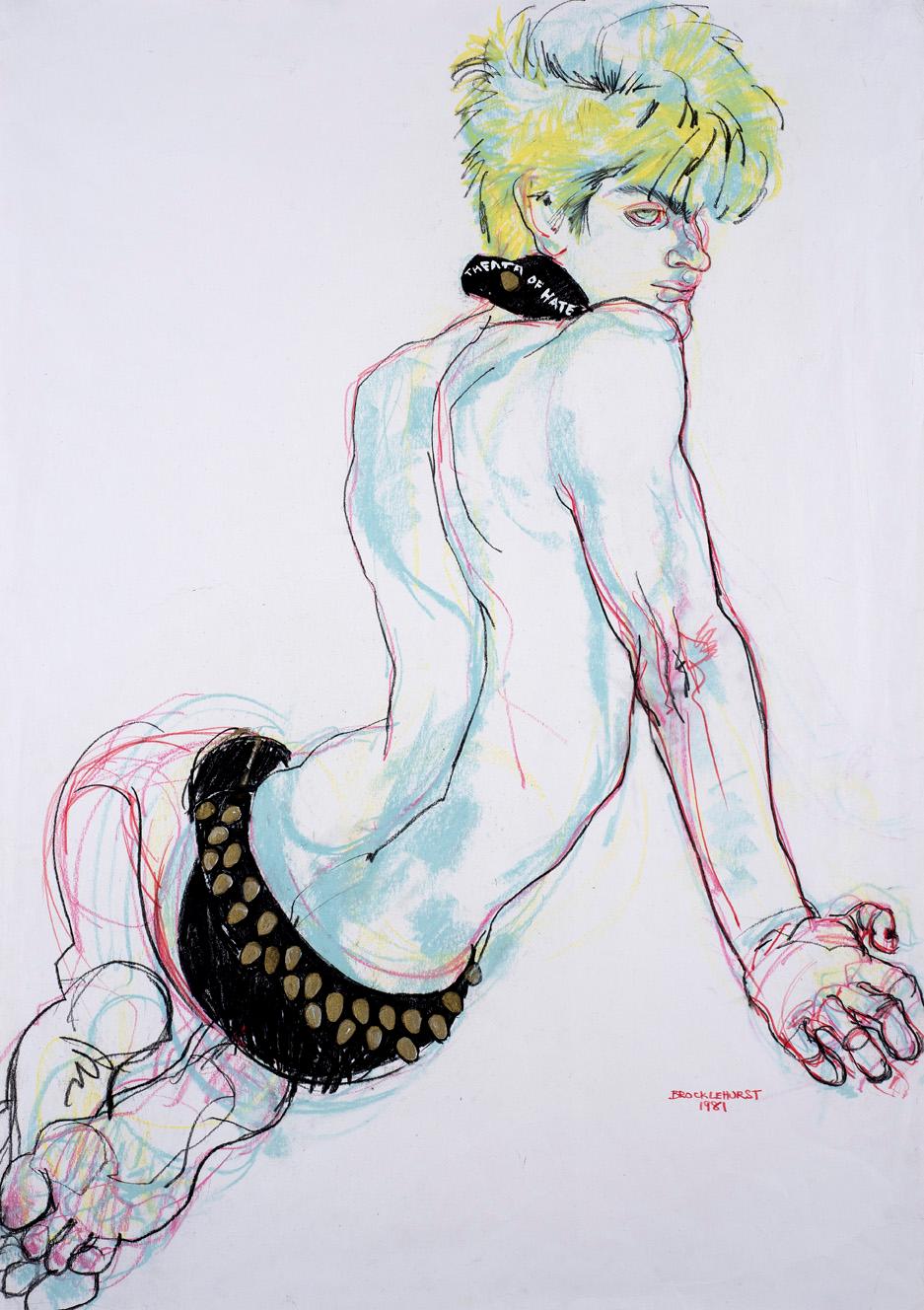
Jo Brocklehurst, Untitled (portrait of Tony Drayton), 1981
Jo (Josephine) Brocklehurst (1935 - 2006) studied at Central Saint Martins and began her career as a fashion illustrator. She later focused on portraiture, drawing directly from models at her studio in West Hampstead and in nightclubs and theatres in Berlin, London and New York. Her work documents the alternative subcultures of the 1970s, 80s and 90s that went on to shape mainstream fashion and performance scenes. In the 1980s, Brocklehurst drew a series portraits of members of the Kill Your Pet Puppy collective who were living in a squat close to her studio. Attracted to their anarcho-punk dress and ethos, she said “I felt that they understood very well what was going on in the world, what was in it for them”. This portrait is of Tony Drayton, founder of Kill Your Pet Puppy and punk fanzine Ripped And Torn.
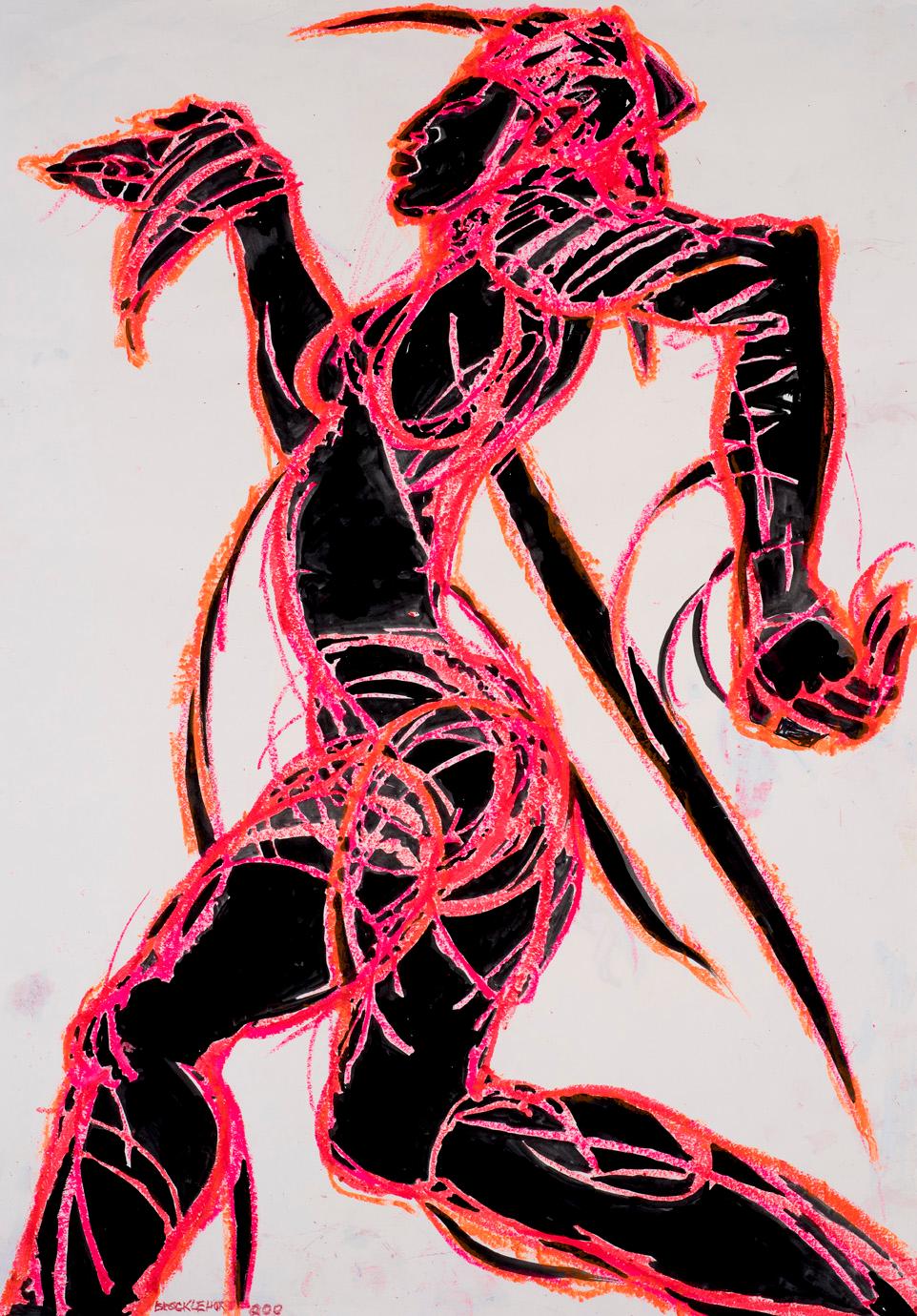
Jo Brocklehurst, Untitled (portrait of Josephine Leask), 2000
Jo (Josephine) Brocklehurst (1935 - 2006) studied at Central Saint Martins and began her career as a fashion illustrator. She later focused on portraiture, drawing directly from models at her studio in West Hampstead and in nightclubs and theatres in Berlin, London and New York. Her work documents the alternative subcultures of the 1970s, 80s and 90s that went on to shape mainstream fashion and performance scenes. In 2000, Brocklehurst created a series of drawings in sessions with dancer Josephine Leask. Leask’s 1999 article Welcome to the Club, published in ballettanz magazine, described the ways that nightclubs were acting as alternative theatres for cutting-edge contemporary dance. These drawings were shown as part of Leask’s lecture-performance on the same theme at the 2000 Salzburg Festival.
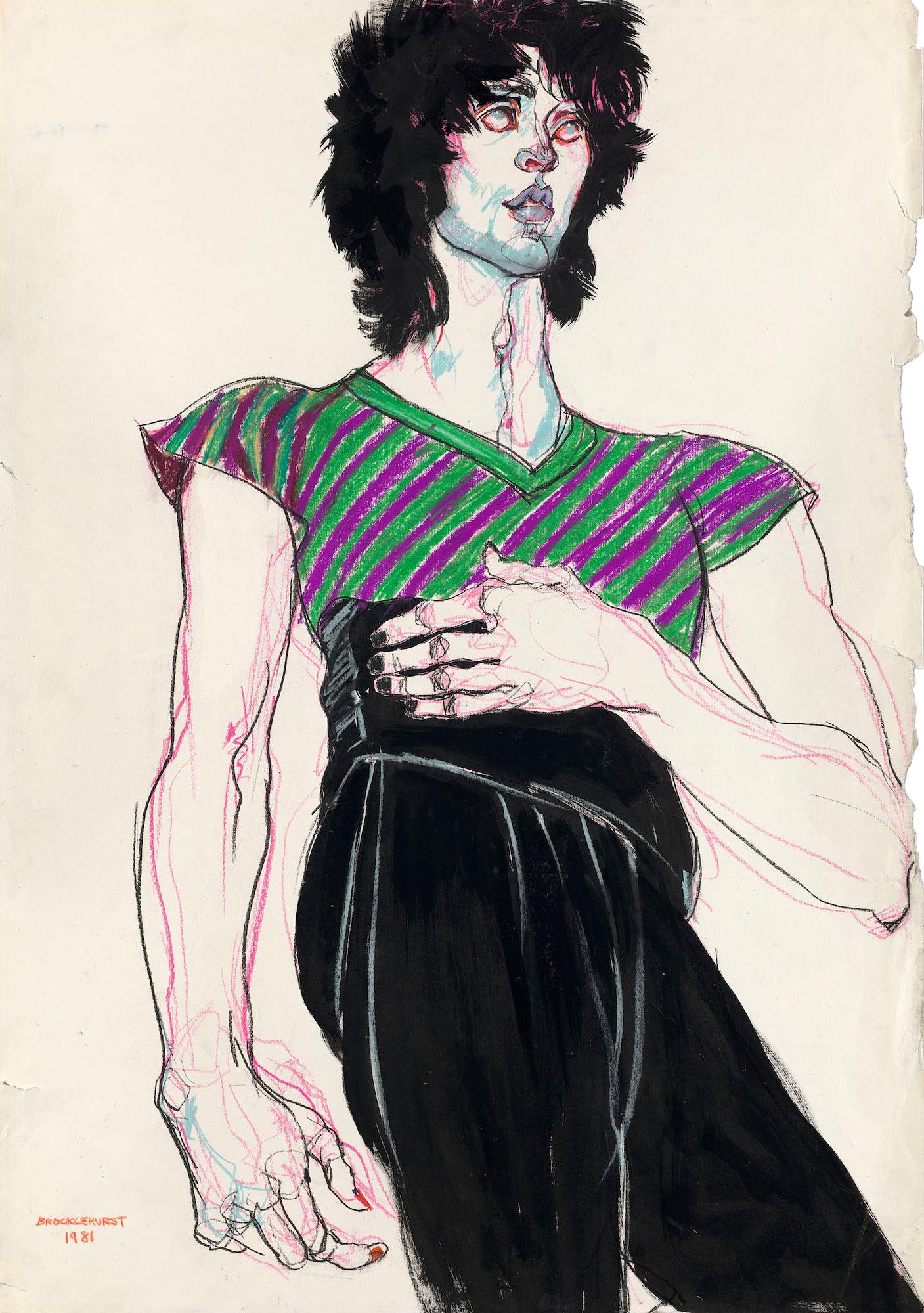
Jo Brocklehurst, Untitled, 1981
Jo (Josephine) Brocklehurst (1935 - 2006) studied at Central Saint Martins and began her career as a fashion illustrator. She later focused on portraiture, drawing directly from models at her studio in West Hampstead and in nightclubs and theatres in Berlin, London and New York. Her work documents the alternative subcultures of the 1970s, 80s and 90s that went on to shape mainstream fashion and performance scenes.
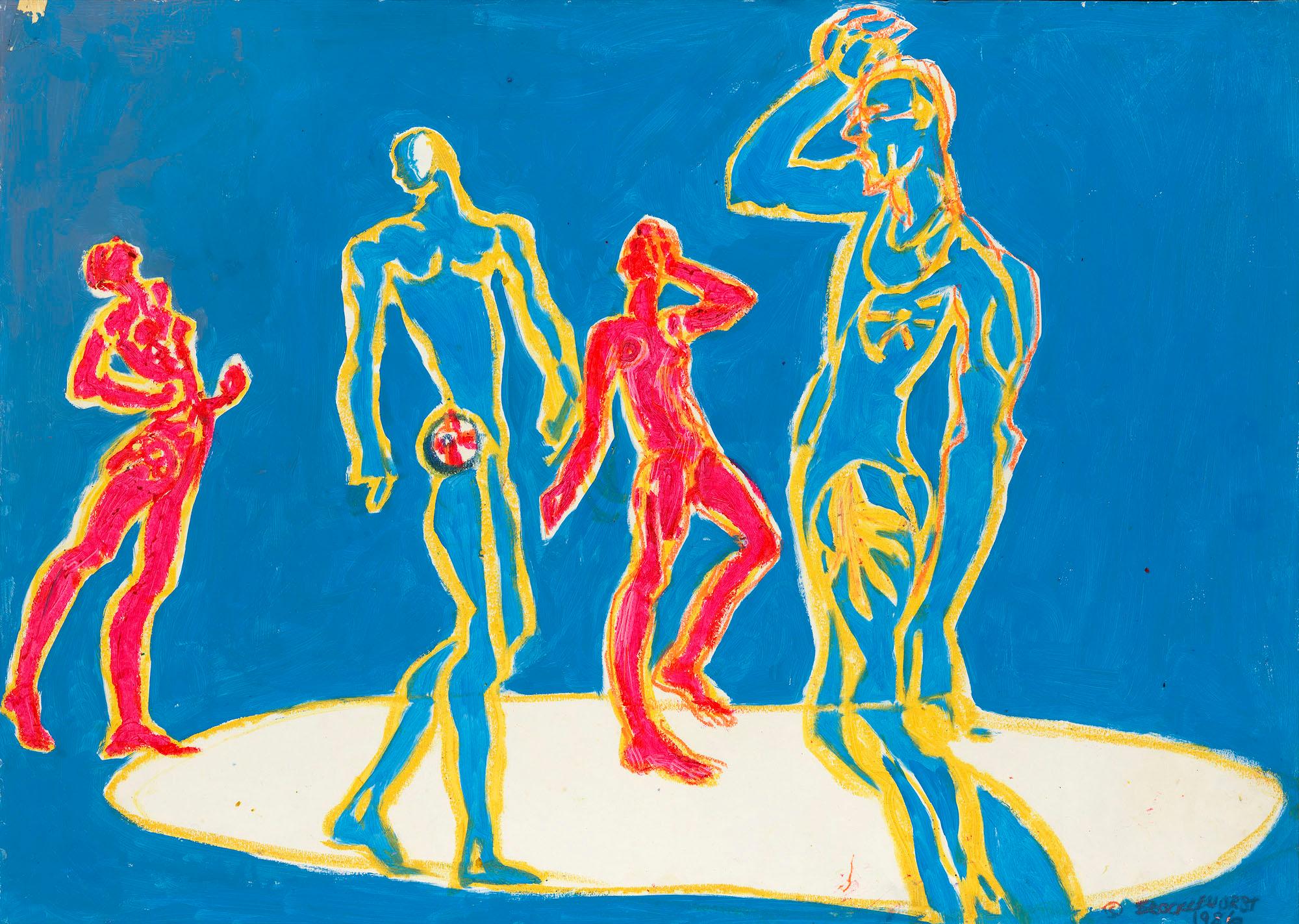
Jo Brocklehurst, Untitled, 1986
Jo (Josephine) Brocklehurst (1935 - 2006) studied at Central Saint Martins and began her career as a fashion illustrator. She later focused on portraiture, drawing directly from models at her studio in West Hampstead and in nightclubs and theatres in Berlin, London and New York. Her work documents the alternative subcultures of the 1970s, 80s and 90s that went on to shape mainstream fashion and performance scenes. In 1986 Brocklehurst visited the Institute of Applied Theatre Studies in Giessen, Germany during Diskurs Festival. She drew Karl Oppermann and his students performing The Crazy Locomotive, a play written by Stanisław Ignacy Witkiewicz.
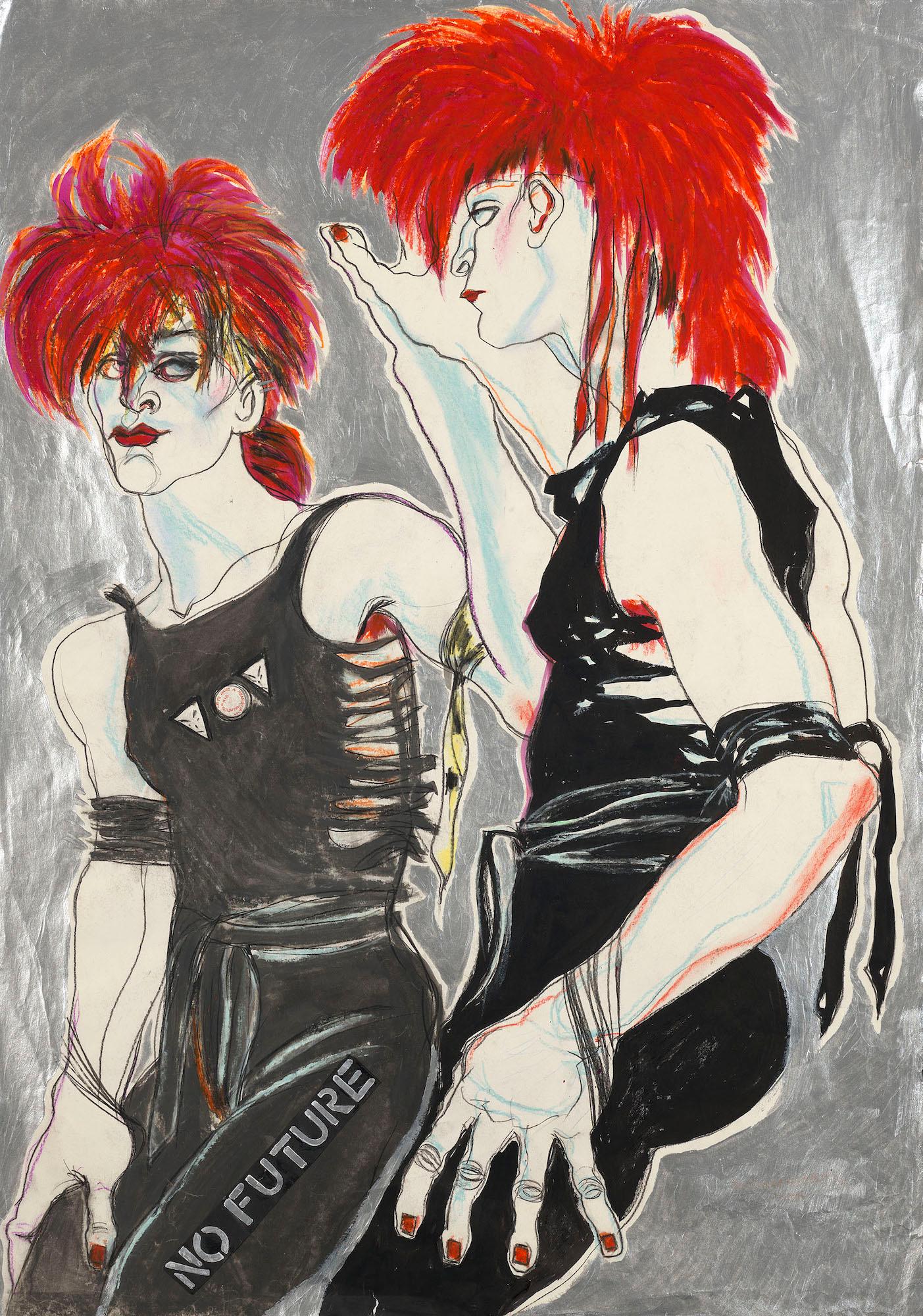
Jo Brocklehurst, Untitled (portrait of Iggy), 1980s
Jo (Josephine) Brocklehurst (1935 - 2006) studied at Central Saint Martins and began her career as a fashion illustrator. She later focused on portraiture, drawing directly from models at her studio in West Hampstead and in nightclubs and theatres in Berlin, London and New York. Her work documents the alternative subcultures of the 1970s, 80s and 90s that went on to shape mainstream fashion and performance scenes. In the 1980s, Brocklehurst drew a series portraits of members of the Kill Your Pet Puppy collective who were living in a squat close to her studio. Attracted to their anarcho-punk dress and ethos, she said “I felt that they understood very well what was going on in the world, what was in it for them”.
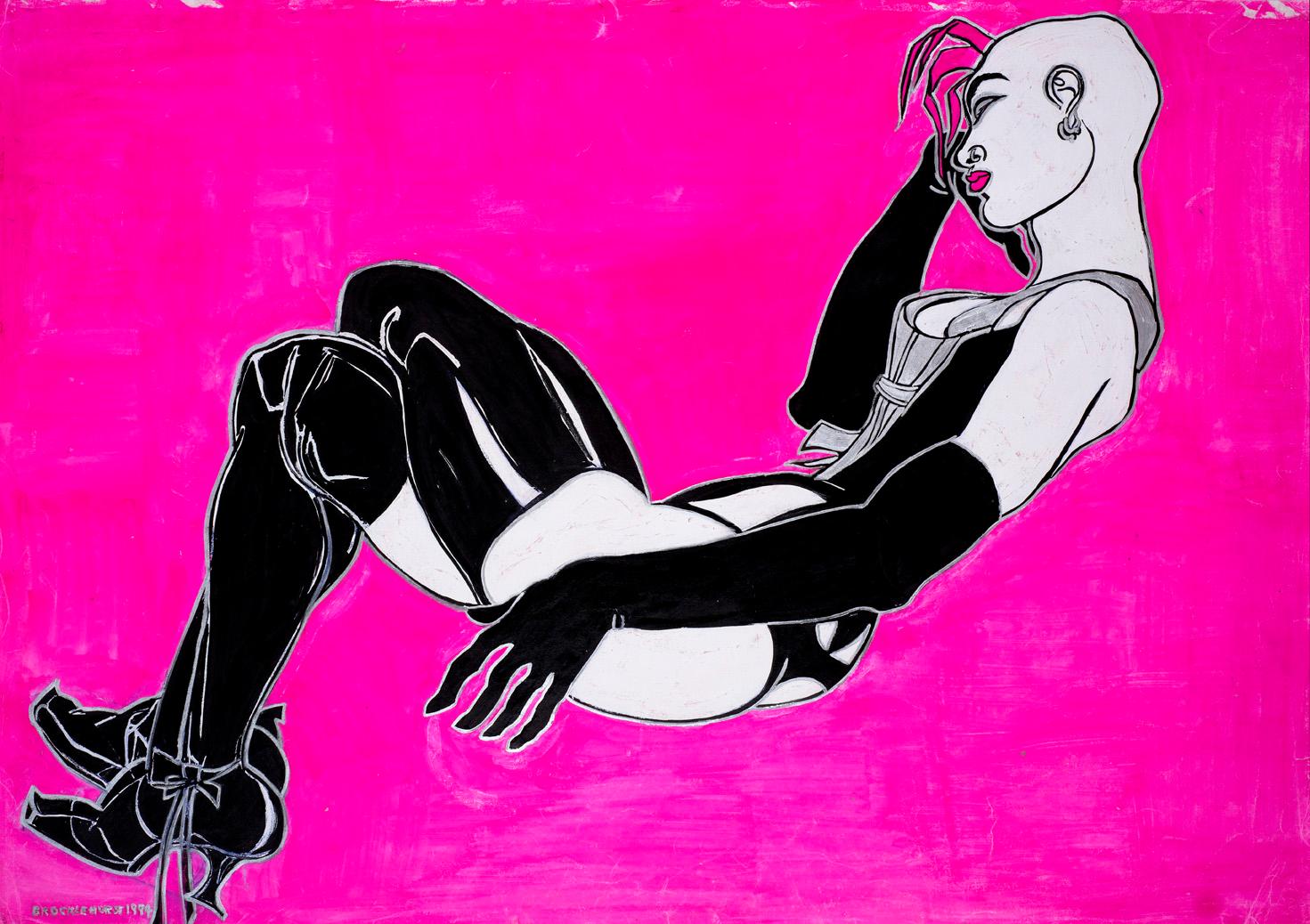
Jo Brocklehurst, Untitled (portrait of Betty Blue), 1994
Jo (Josephine) Brocklehurst (1935 - 2006) studied at Central Saint Martins and began her career as a fashion illustrator. She later focused on portraiture, drawing directly from models at her studio in West Hampstead and in nightclubs and theatres in Berlin, London and New York. Her work documents the alternative subcultures of the 1970s, 80s and 90s that went on to shape mainstream fashion and performance scenes. In the 1990s, Brocklehurst began drawing the fashion designers and performers finding space for experimentation in the fetish clubs of Soho and King’s Cross.
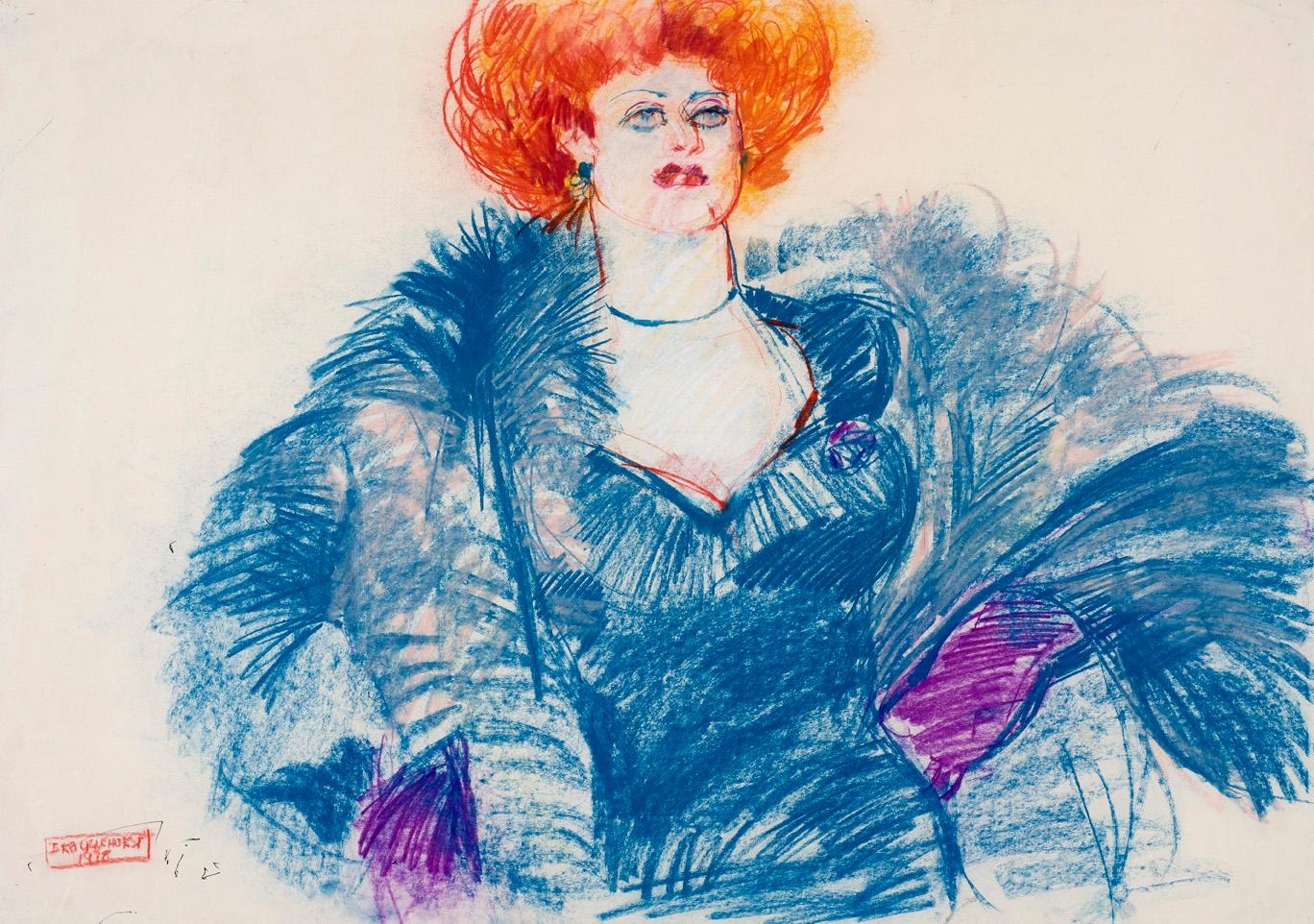
Jo Brocklehurst, Untitled (portrait of Eve Ferret), 1978
Jo (Josephine) Brocklehurst (1935 - 2006) studied at Central Saint Martins and began her career as a fashion illustrator. She later focused on portraiture, drawing directly from models at her studio in West Hampstead and in nightclubs and theatres in Berlin, London and New York. Her work documents the alternative subcultures of the 1970s, 80s and 90s that went on to shape mainstream fashion and performance scenes. This portrait of performer Eve Ferret was made around the time Ferret was performing cabaret at London’s Blitz Club with James ‘Biddie’ Biddlecombe.
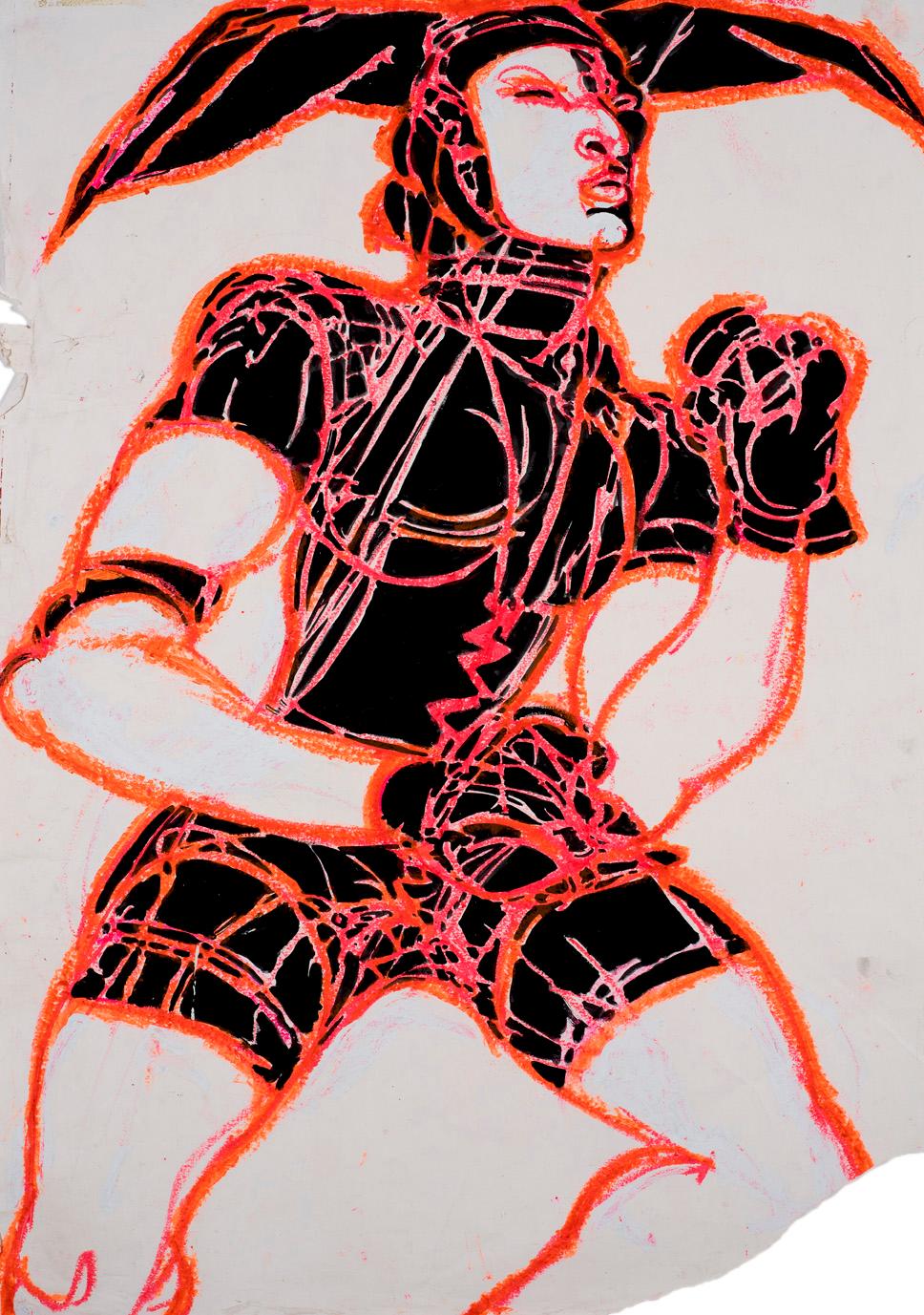
Jo Brocklehurst, Untitled (portrait of Josephine Leask), 2000
Jo (Josephine) Brocklehurst (1935 - 2006) studied at Central Saint Martins and began her career as a fashion illustrator. She later focused on portraiture, drawing directly from models at her studio in West Hampstead and in nightclubs and theatres in Berlin, London and New York. Her work documents the alternative subcultures of the 1970s, 80s and 90s that went on to shape mainstream fashion and performance scenes. In 2000, Brocklehurst created a series of drawings in sessions with dancer Josephine Leask. Leask’s 1999 article Welcome to the Club, published in ballettanz magazine, described the ways that nightclubs were acting as alternative theatres for cutting-edge contemporary dance. These drawings were shown as part of Leask’s lecture-performance on the same theme at the 2000 Salzburg Festival.
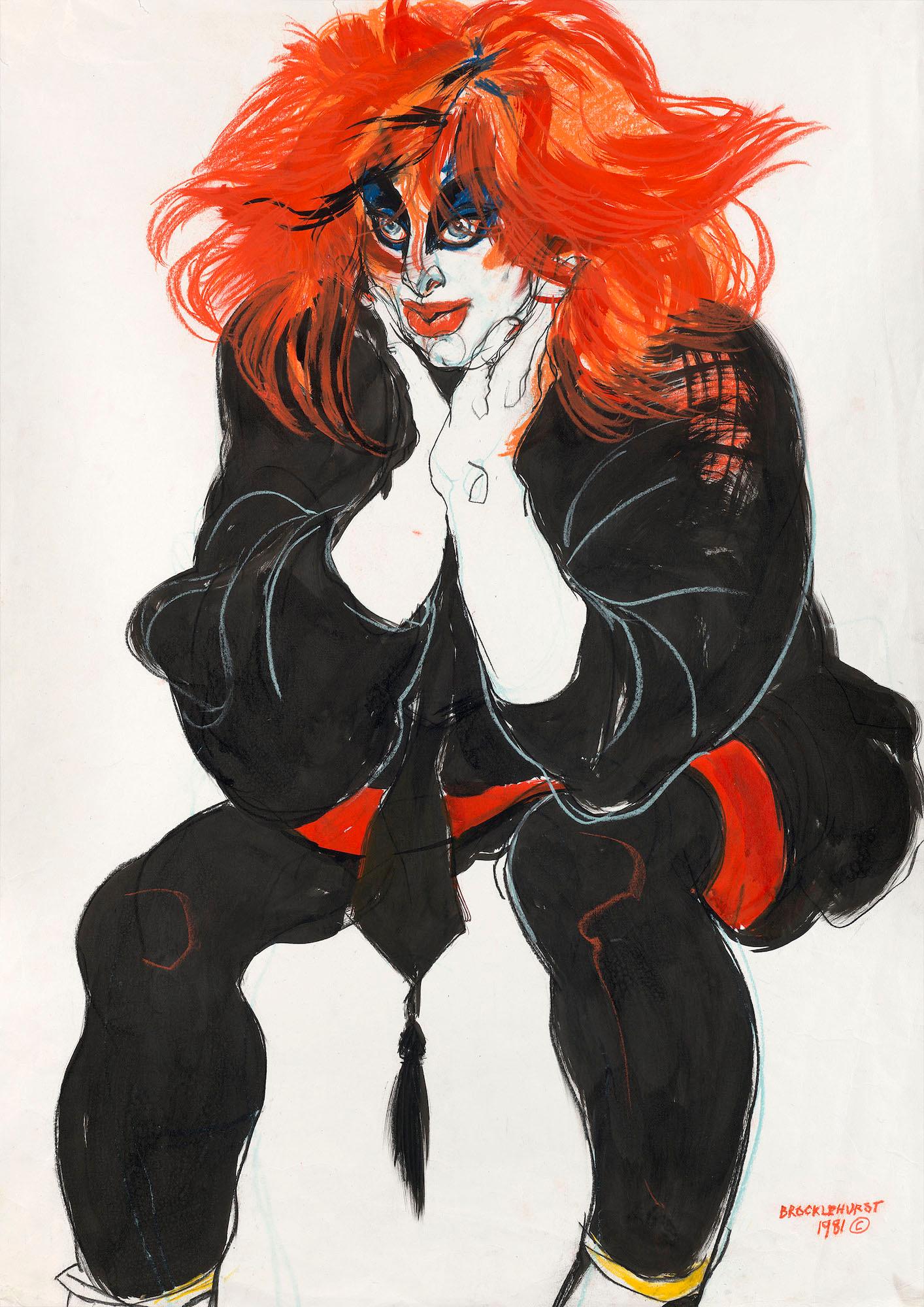
Jo Brocklehurst, Untitled, 1981
Jo (Josephine) Brocklehurst (1935 - 2006) studied at Central Saint Martins and began her career as a fashion illustrator. She later focused on portraiture, drawing directly from models at her studio in West Hampstead and in nightclubs and theatres in Berlin, London and New York. Her work documents the alternative subcultures of the 1970s, 80s and 90s that went on to shape mainstream fashion and performance scenes.
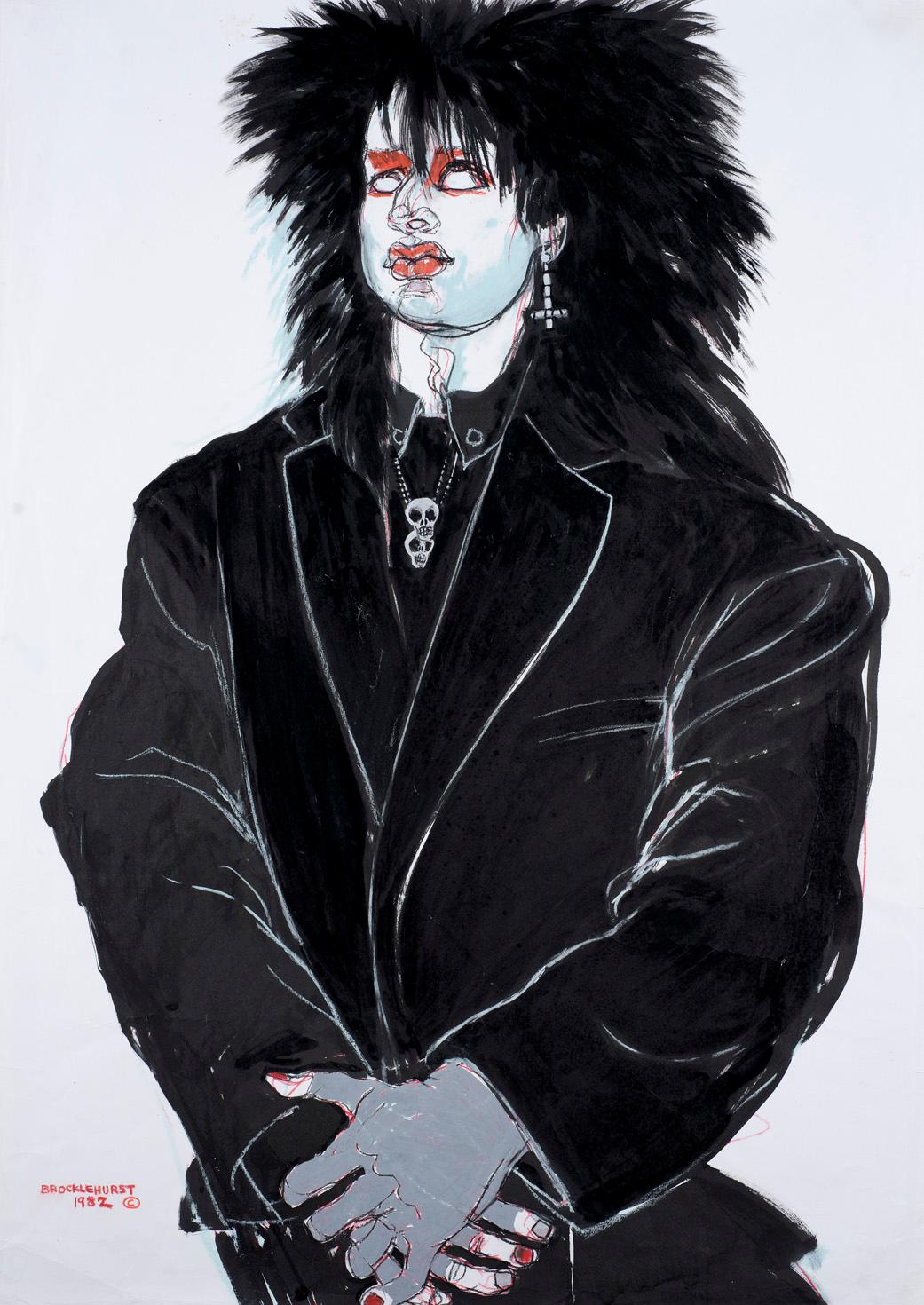
Jo Brocklehurst, Untitled (portrait of Julian), 1982
Jo (Josephine) Brocklehurst (1935 - 2006) studied at Central Saint Martins and began her career as a fashion illustrator. She later focused on portraiture, drawing directly from models at her studio in West Hampstead and in nightclubs and theatres in Berlin, London and New York. Her work documents the alternative subcultures of the 1970s, 80s and 90s that went on to shape mainstream fashion and performance scenes. In the 1980s, Brocklehurst drew a series portraits of members of the Kill Your Pet Puppy collective who were living in a squat close to her studio. Attracted to their anarcho-punk dress and ethos, she said “I felt that they understood very well what was going on in the world, what was in it for them”. This portrait is of Tony Drayton, founder of Kill Your Pet Puppy and punk fanzine Ripped And Torn.
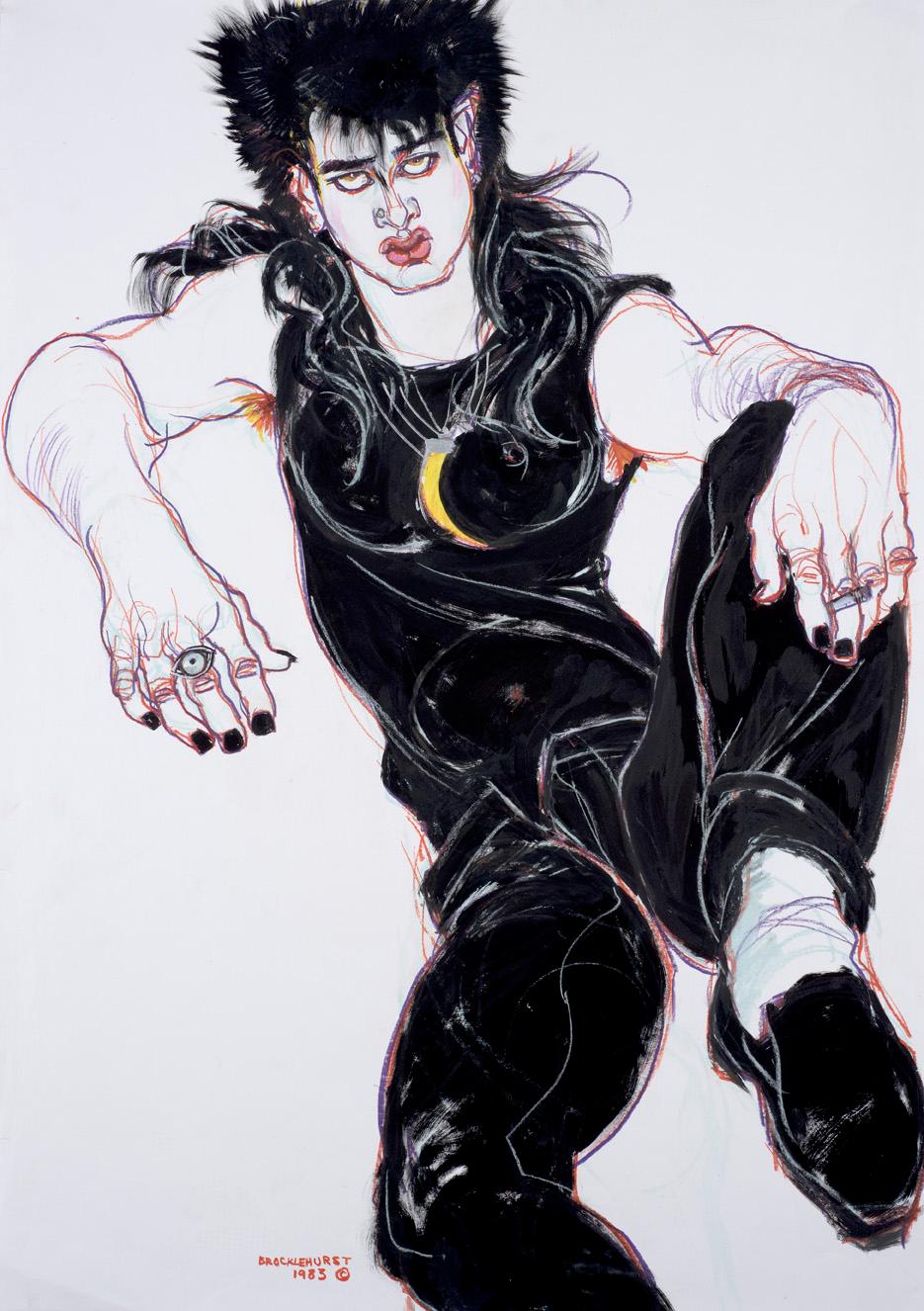
Jo Brocklehurst, Untitled, 1983
Jo (Josephine) Brocklehurst (1935 - 2006) studied at Central Saint Martins and began her career as a fashion illustrator. She later focused on portraiture, drawing directly from models at her studio in West Hampstead and in nightclubs and theatres in Berlin, London and New York. Her work documents the alternative subcultures of the 1970s, 80s and 90s that went on to shape mainstream fashion and performance scenes.
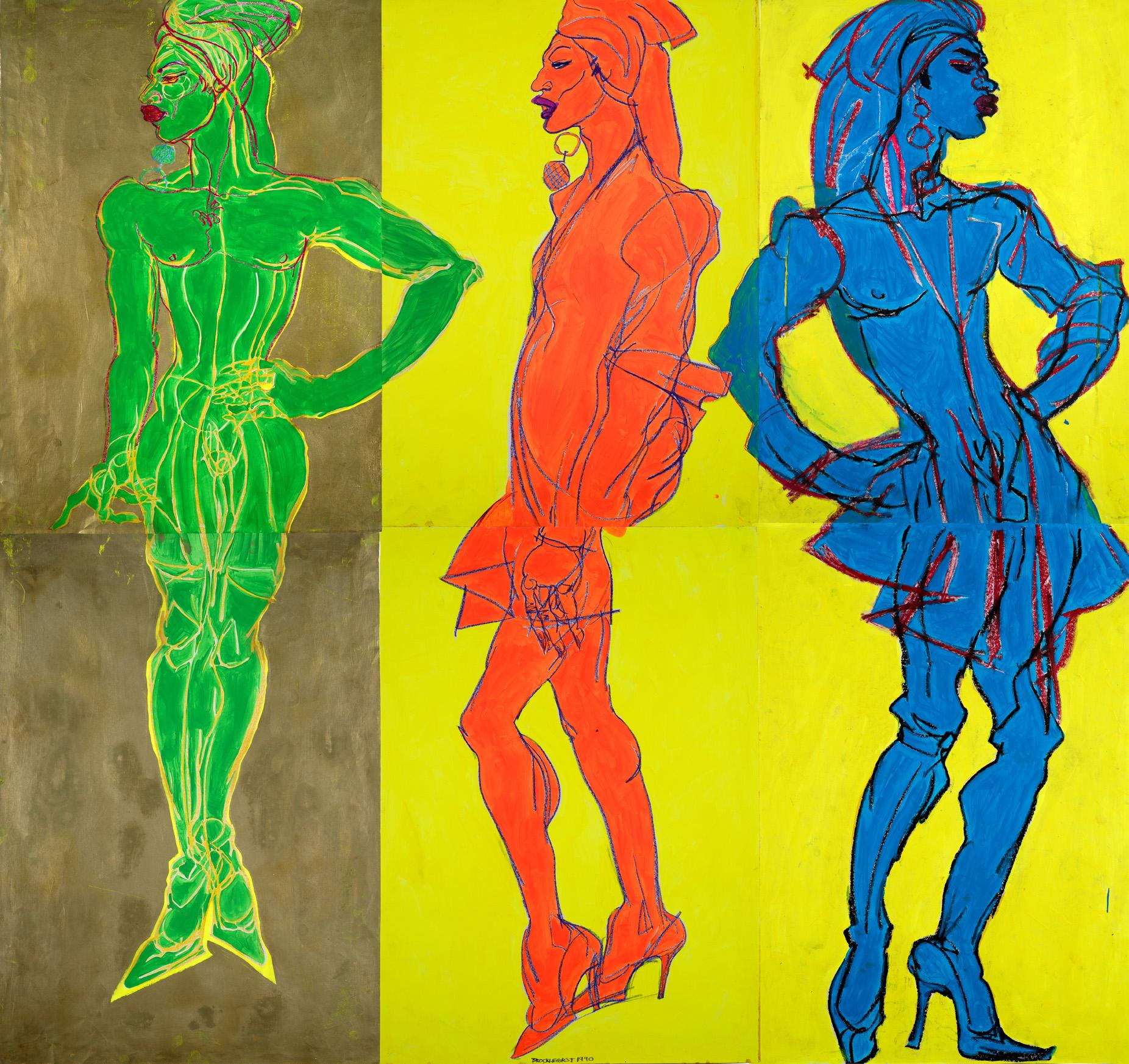
Jo Brocklehurst, Untitled (known as Three Graces), 1988
Jo (Josephine) Brocklehurst (1935 - 2006) studied at Central Saint Martins and began her career as a fashion illustrator. She later focused on portraiture, drawing directly from models at her studio in West Hampstead and in nightclubs and theatres in Berlin, London and New York. Her work documents the alternative subcultures of the 1970s, 80s and 90s that went on to shape mainstream fashion and performance scenes. In the 1990s Brocklehurst returned to Central Saint Martins as a visiting tutor. She led life drawing classes for fashion and textile students, often employing flamboyant performers as models. Brocklehurst encouraged bold use of scale and colour, as demonstrated by this portrait of a drag performer.
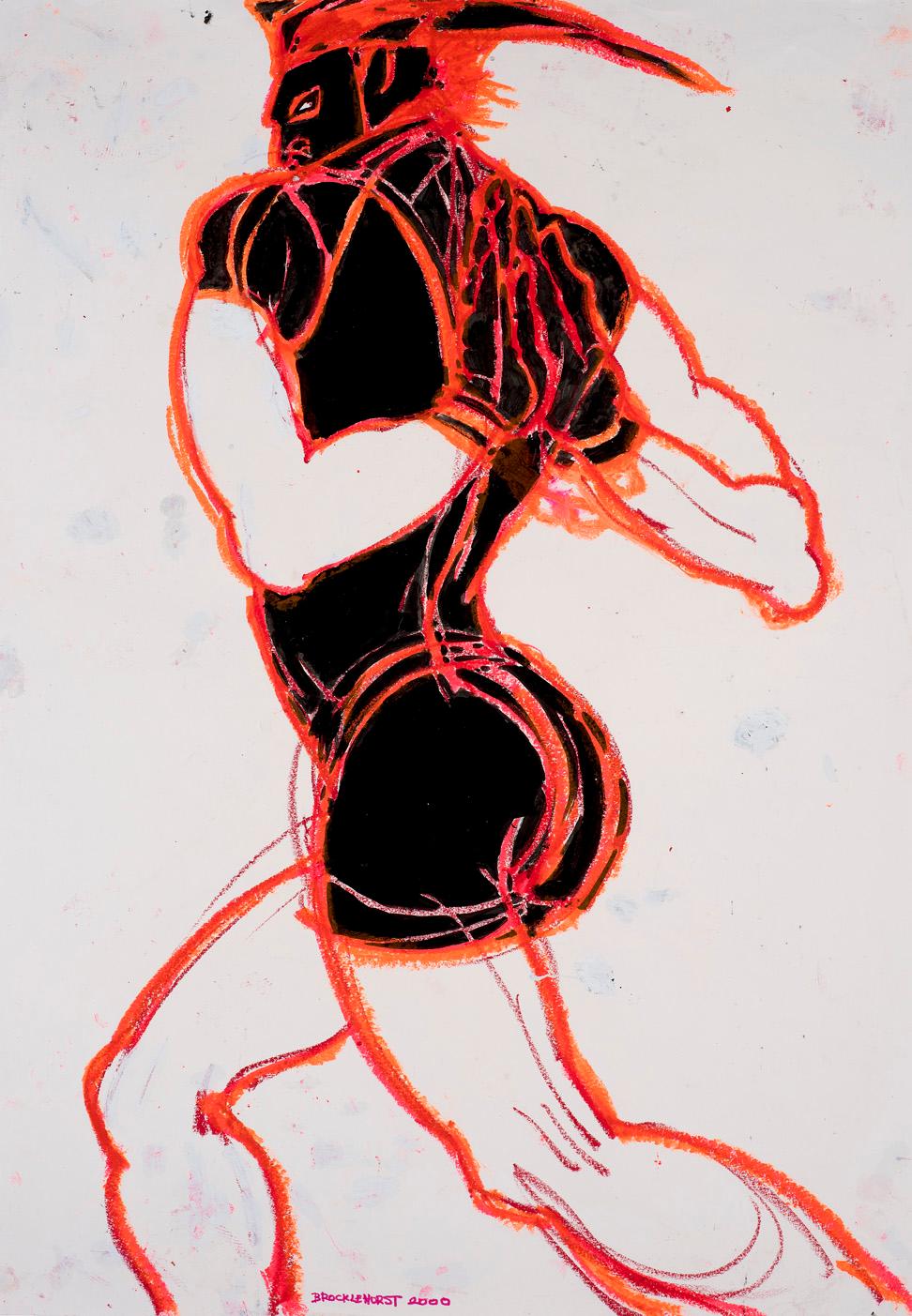
Jo Brocklehurst, Untitled (portrait of Josephine Leask), 2000
Jo (Josephine) Brocklehurst (1935 - 2006) studied at Central Saint Martins and began her career as a fashion illustrator. She later focused on portraiture, drawing directly from models at her studio in West Hampstead and in nightclubs and theatres in Berlin, London and New York. Her work documents the alternative subcultures of the 1970s, 80s and 90s that went on to shape mainstream fashion and performance scenes. In 2000, Brocklehurst created a series of drawings in sessions with dancer Josephine Leask. Leask’s 1999 article Welcome to the Club, published in ballettanz magazine, described the ways that nightclubs were acting as alternative theatres for cutting-edge contemporary dance. These drawings were shown as part of Leask’s lecture-performance on the same theme at the 2000 Salzburg Festival.
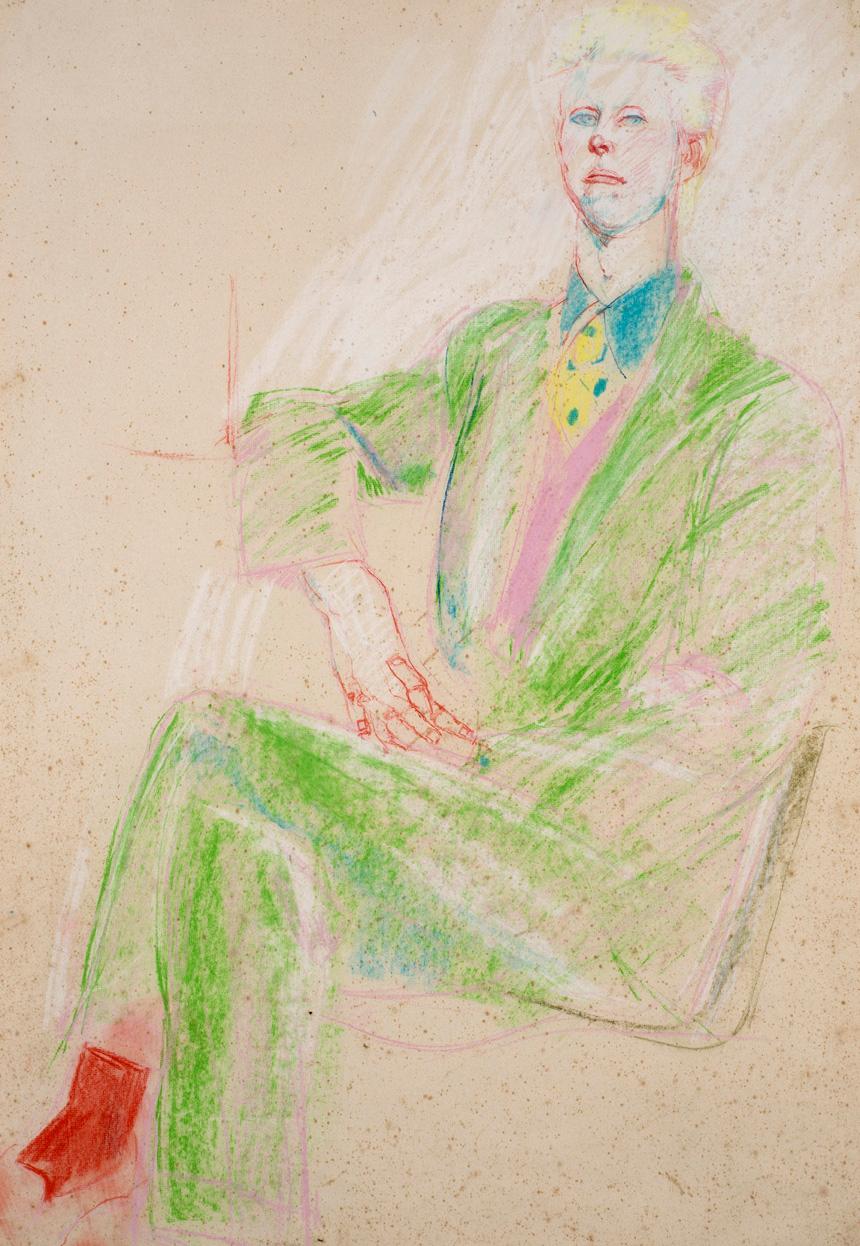
Jo Brocklehurst, Man in a Green Suit (portrait of James ‘Biddie’ Biddlecombe), 1979
Jo (Josephine) Brocklehurst (1935 - 2006) studied at Central Saint Martins and began her career as a fashion illustrator. She later focused on portraiture, drawing directly from models at her studio in West Hampstead and in nightclubs and theatres in Berlin, London and New York. Her work documents the alternative subcultures of the 1970s, 80s and 90s that went on to shape mainstream fashion and performance scenes. Man in a Green Suit is a portrait of performer James ‘Biddie’ Biddlecombe around the time he was performing cabaret at London’s Blitz Club with Eve Ferret. In 1980 it was shown in the ICA exhibition Women’s Images of Men.
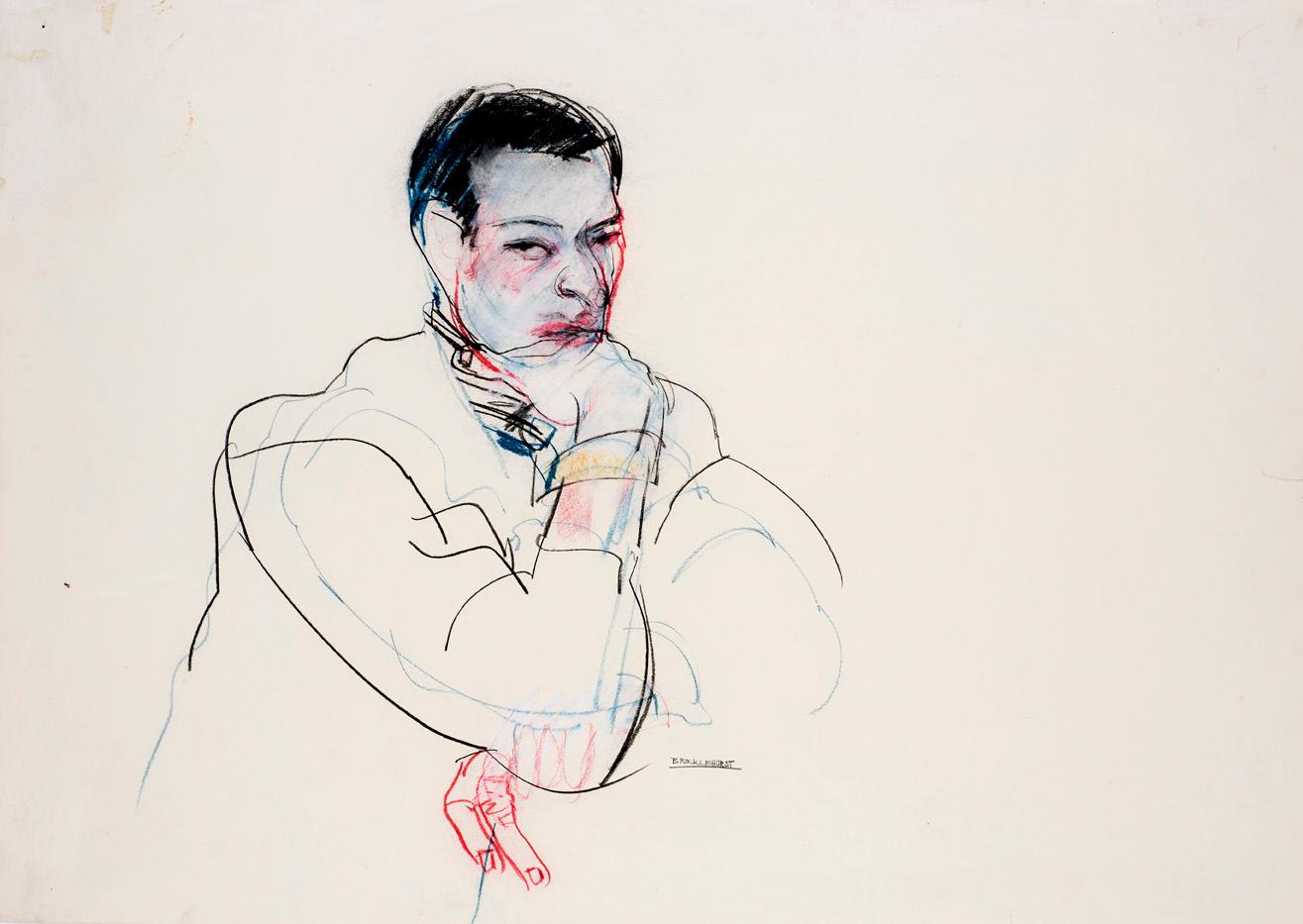
Jo Brocklehurst, Untitled (Portrait of Colin Swift), c.1976
Jo (Josephine) Brocklehurst (1935 - 2006) studied at Central Saint Martins and began her career as a fashion illustrator. She later focused on portraiture, drawing directly from models at her studio in West Hampstead and in nightclubs and theatres in Berlin, London and New York. Her work documents the alternative subcultures of the 1970s, 80s and 90s that went on to shape mainstream fashion and performance scenes.
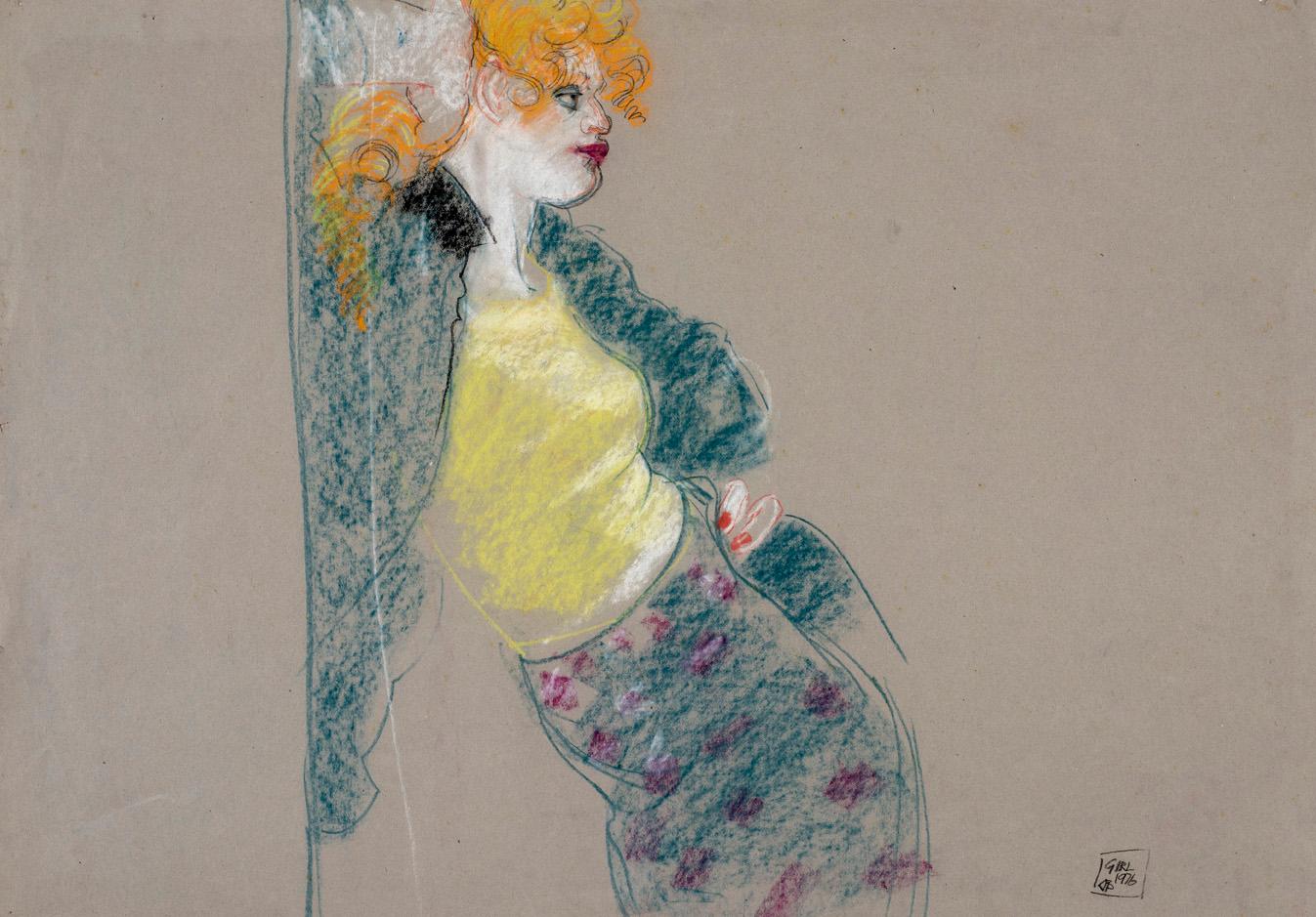
Jo Brocklehurst, Girl, 1976
Jo (Josephine) Brocklehurst (1935 - 2006) studied at Central Saint Martins and began her career as a fashion illustrator. She later focused on portraiture, drawing directly from models at her studio in West Hampstead and in nightclubs and theatres in Berlin, London and New York. Her work documents the alternative subcultures of the 1970s, 80s and 90s that went on to shape mainstream fashion and performance scenes.
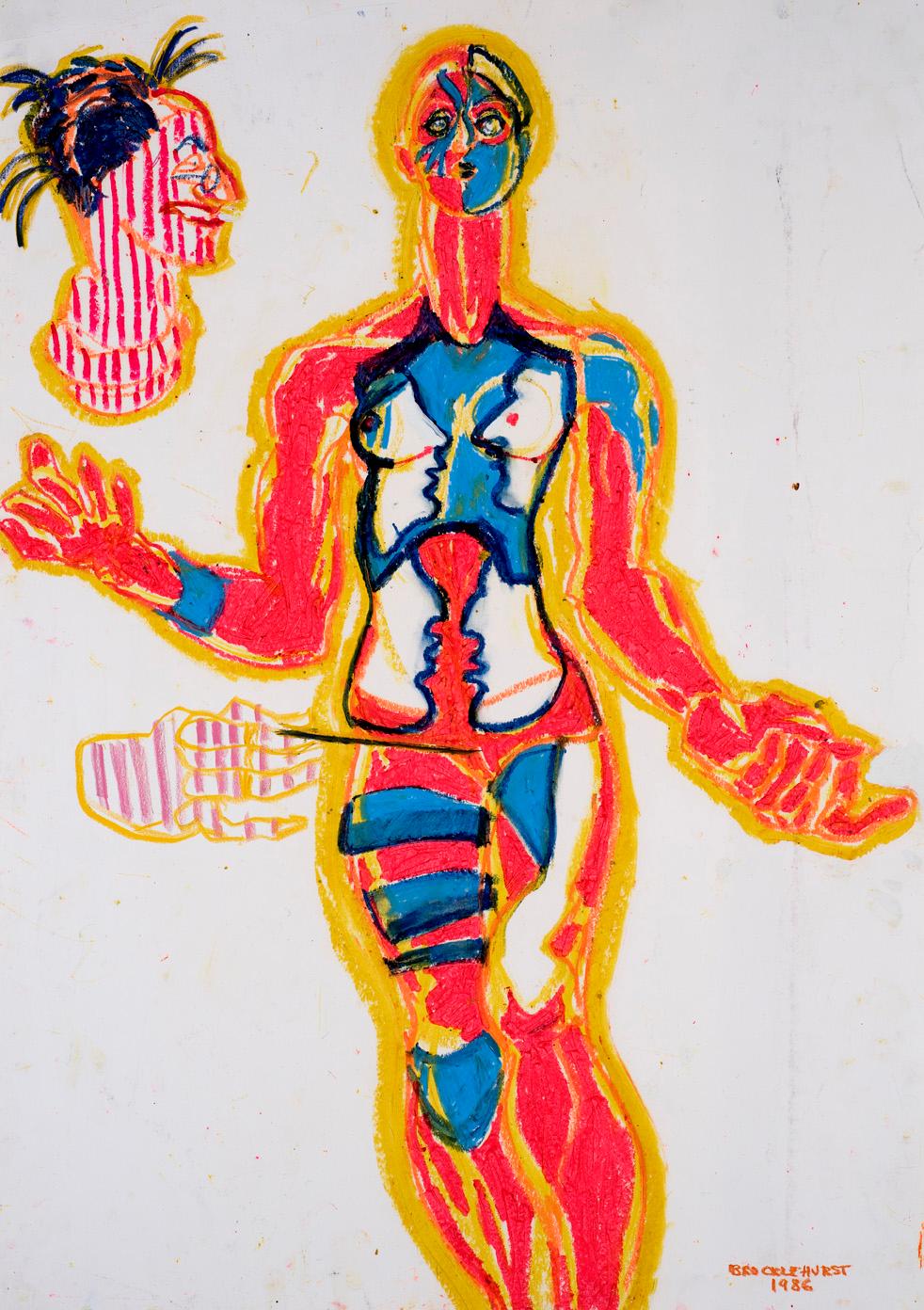
Jo Brocklehurst, Untitled (Karl Oppermann and student at Diskurs festival), 1986
Jo (Josephine) Brocklehurst (1935 - 2006) studied at Central Saint Martins and began her career as a fashion illustrator. She later focused on portraiture, drawing directly from models at her studio in West Hampstead and in nightclubs and theatres in Berlin, London and New York. Her work documents the alternative subcultures of the 1970s, 80s and 90s that went on to shape mainstream fashion and performance scenes. In 1986 Brocklehurst visited the Institute of Applied Theatre Studies in Giessen, Germany during Diskurs Festival. She drew Karl Oppermann and his students performing The Crazy Locomotive, a play written by Stanisław Ignacy Witkiewicz.
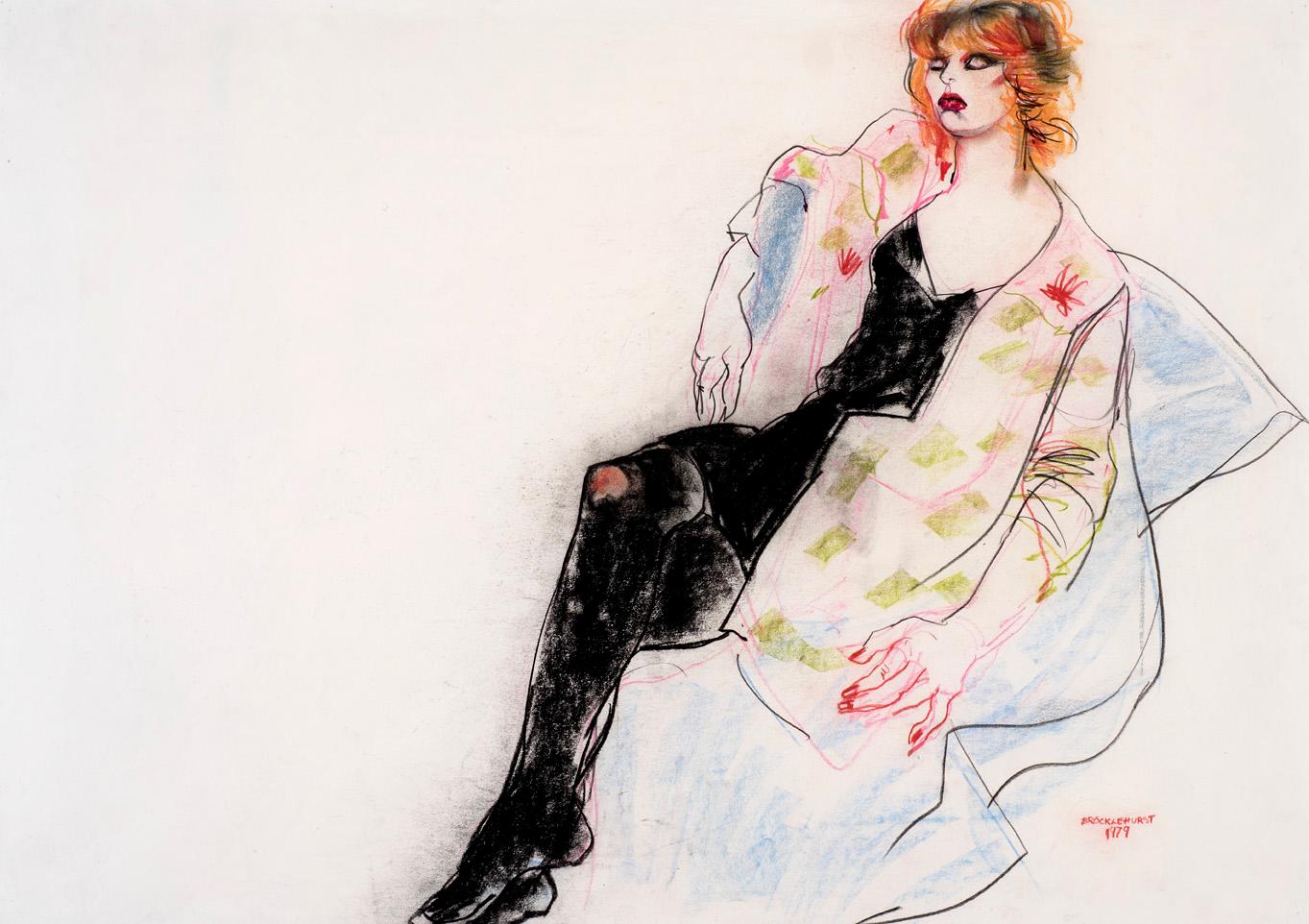
Jo Brocklehurst, Untitled, 1979
Jo (Josephine) Brocklehurst (1935 - 2006) studied at Central Saint Martins and began her career as a fashion illustrator. She later focused on portraiture, drawing directly from models at her studio in West Hampstead and in nightclubs and theatres in Berlin, London and New York. Her work documents the alternative subcultures of the 1970s, 80s and 90s that went on to shape mainstream fashion and performance scenes.
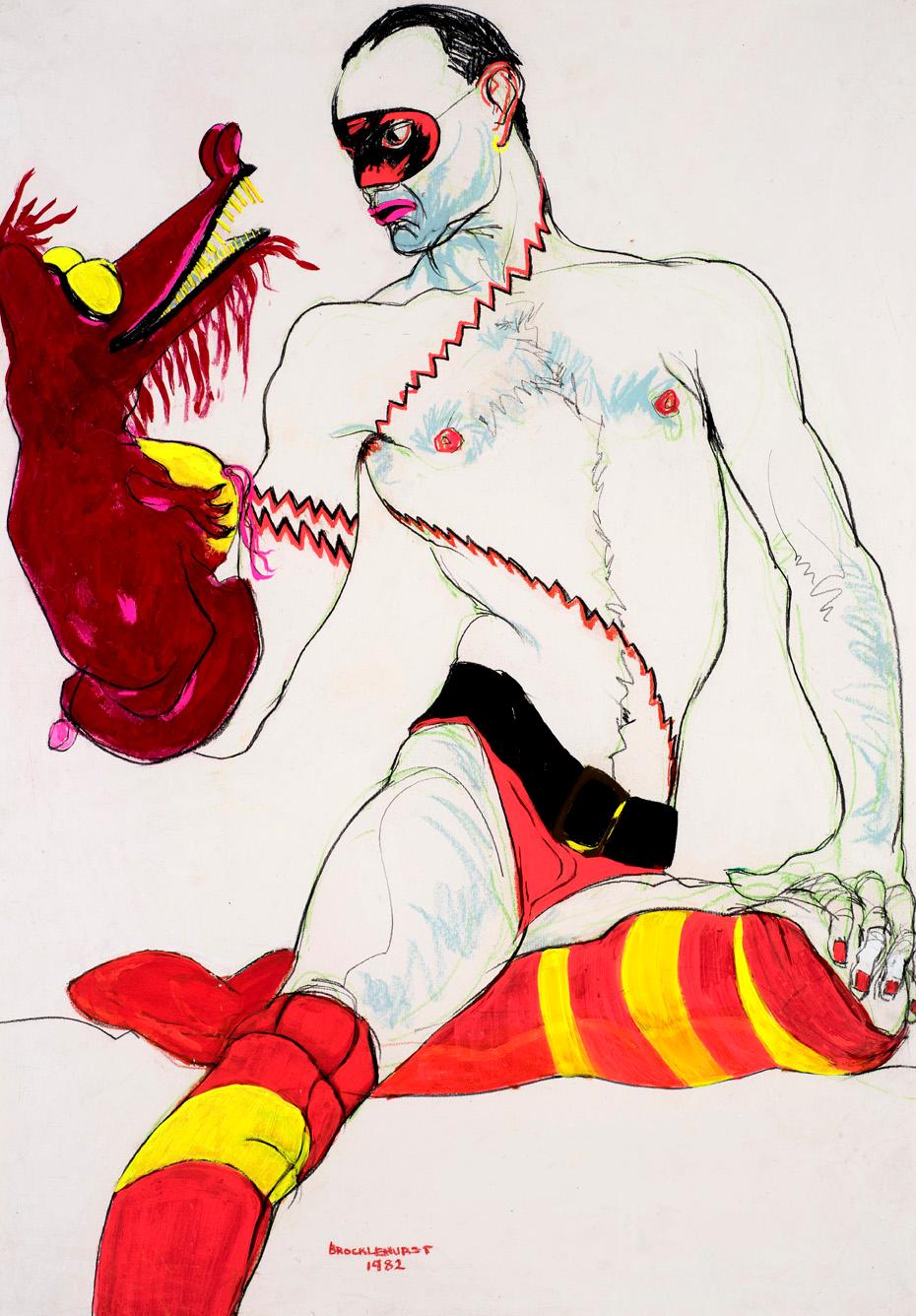
Jo Brocklehurst, Untitled, 1982
Jo (Josephine) Brocklehurst (1935 - 2006) studied at Central Saint Martins and began her career as a fashion illustrator. She later focused on portraiture, drawing directly from models at her studio in West Hampstead and in nightclubs and theatres in Berlin, London and New York. Her work documents the alternative subcultures of the 1970s, 80s and 90s that went on to shape mainstream fashion and performance scenes.
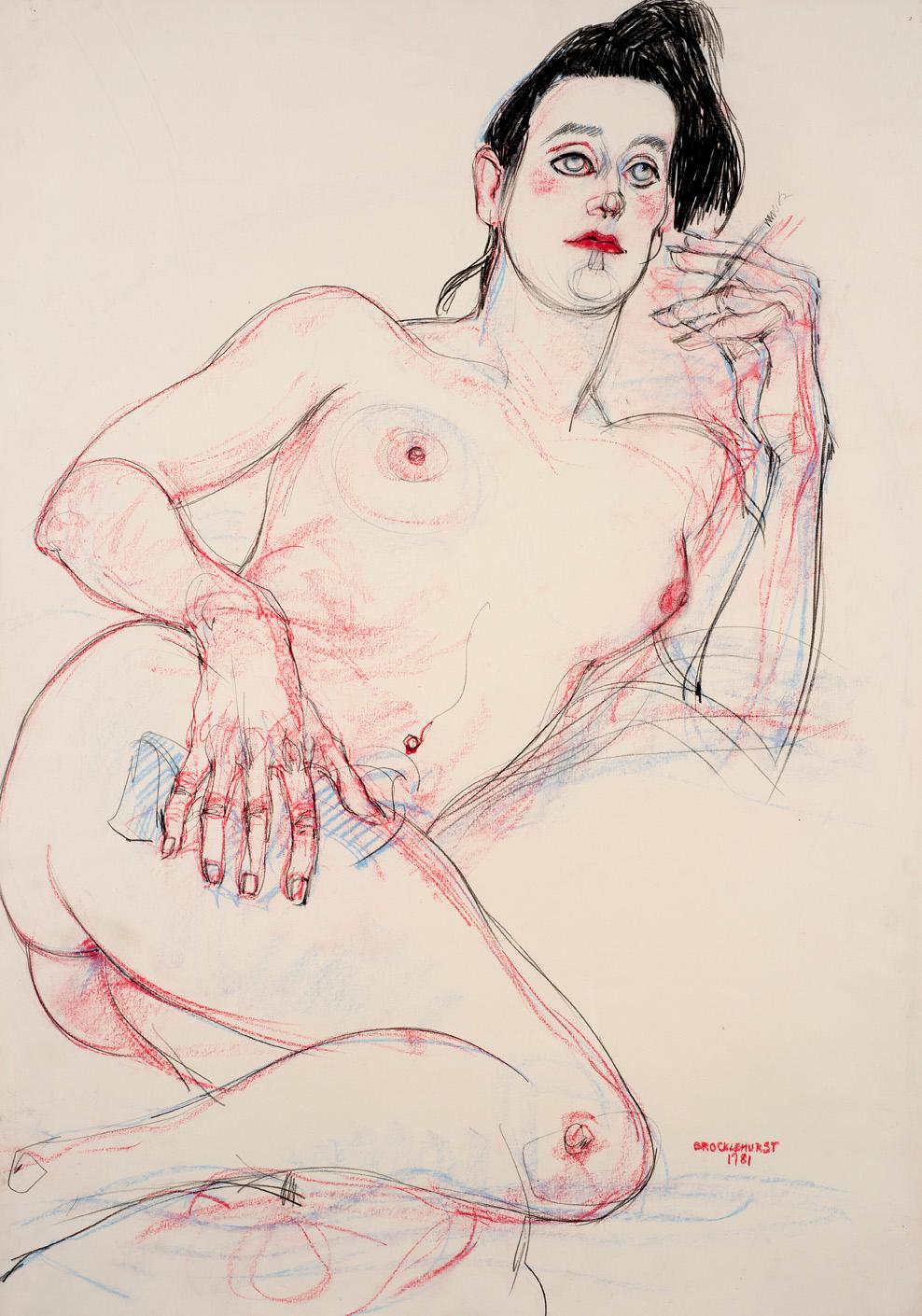
Jo Brocklehurst, Untitled, 1981
Jo (Josephine) Brocklehurst (1935 - 2006) studied at Central Saint Martins and began her career as a fashion illustrator. She later focused on portraiture, drawing directly from models at her studio in West Hampstead and in nightclubs and theatres in Berlin, London and New York. Her work documents the alternative subcultures of the 1970s, 80s and 90s that went on to shape mainstream fashion and performance scenes.
Content warning: nudity
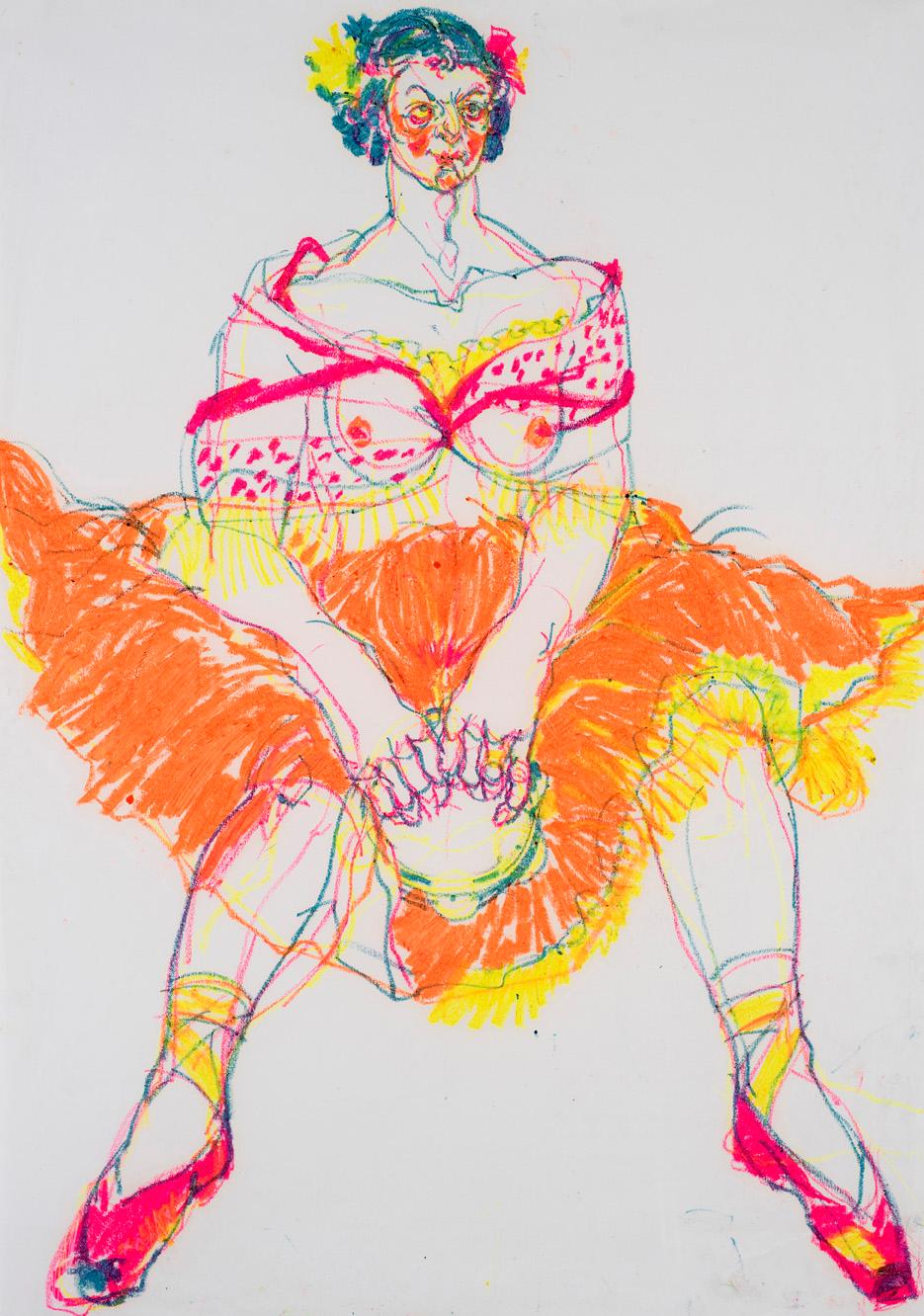
Jo Brocklehurst, Untitled, Date unknown
Jo (Josephine) Brocklehurst (1935 - 2006) studied at Central Saint Martins and began her career as a fashion illustrator. She later focused on portraiture, drawing directly from models at her studio in West Hampstead and in nightclubs and theatres in Berlin, London and New York. Her work documents the alternative subcultures of the 1970s, 80s and 90s that went on to shape mainstream fashion and performance scenes.
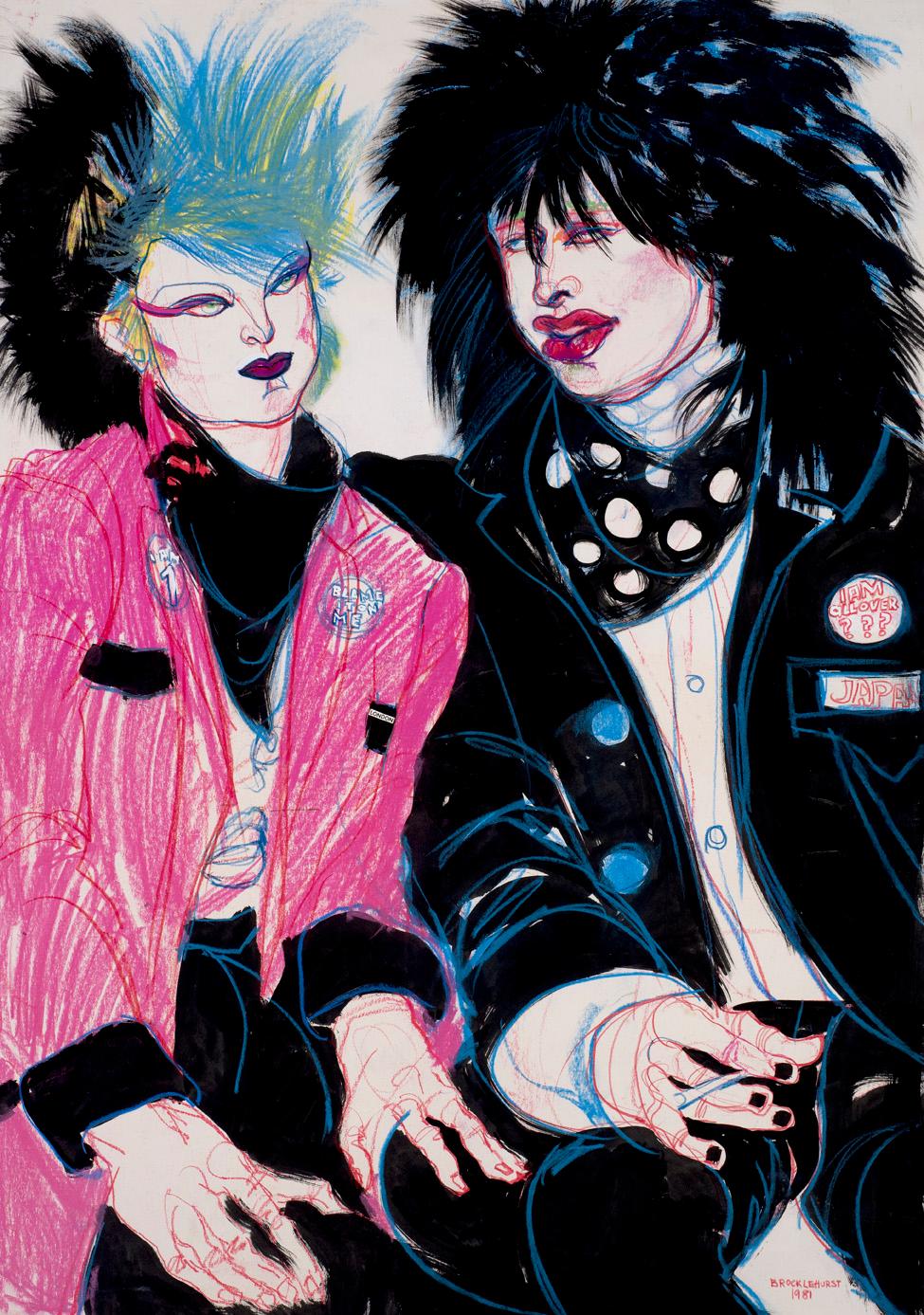
Jo Brocklehurst, Untitled (portrait of Val Drayton and Julian), 1981
Jo (Josephine) Brocklehurst (1935 - 2006) studied at Central Saint Martins and began her career as a fashion illustrator. She later focused on portraiture, drawing directly from models at her studio in West Hampstead and in nightclubs and theatres in Berlin, London and New York. Her work documents the alternative subcultures of the 1970s, 80s and 90s that went on to shape mainstream fashion and performance scenes. In the 1980s, Brocklehurst drew a series portraits of members of the Kill Your Pet Puppy collective who were living in a squat close to her studio. Attracted to their anarcho-punk dress and ethos, she said “I felt that they understood very well what was going on in the world, what was in it for them”.
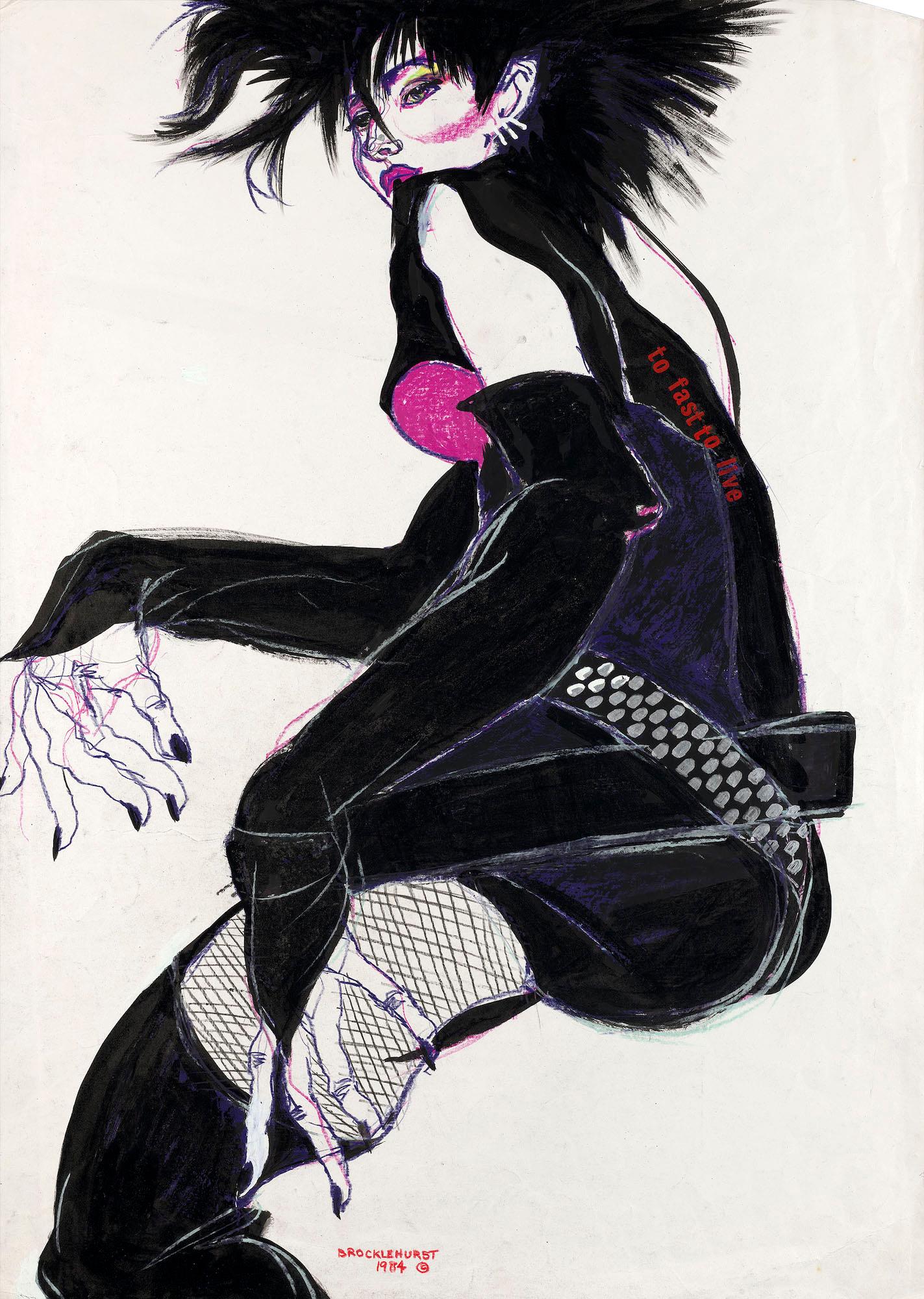
Jo Brocklehurst, Untitled (portrait of Angie), 1984
Jo (Josephine) Brocklehurst (1935 - 2006) studied at Central Saint Martins and began her career as a fashion illustrator. She later focused on portraiture, drawing directly from models at her studio in West Hampstead and in nightclubs and theatres in Berlin, London and New York. Her work documents the alternative subcultures of the 1970s, 80s and 90s that went on to shape mainstream fashion and performance scenes. In the 1980s, Brocklehurst drew a series portraits of members of the Kill Your Pet Puppy collective who were living in a squat close to her studio. Attracted to their anarcho-punk dress and ethos, she said “I felt that they understood very well what was going on in the world, what was in it for them”. This portrait is of Tony Drayton, founder of Kill Your Pet Puppy and punk fanzine Ripped And Torn.
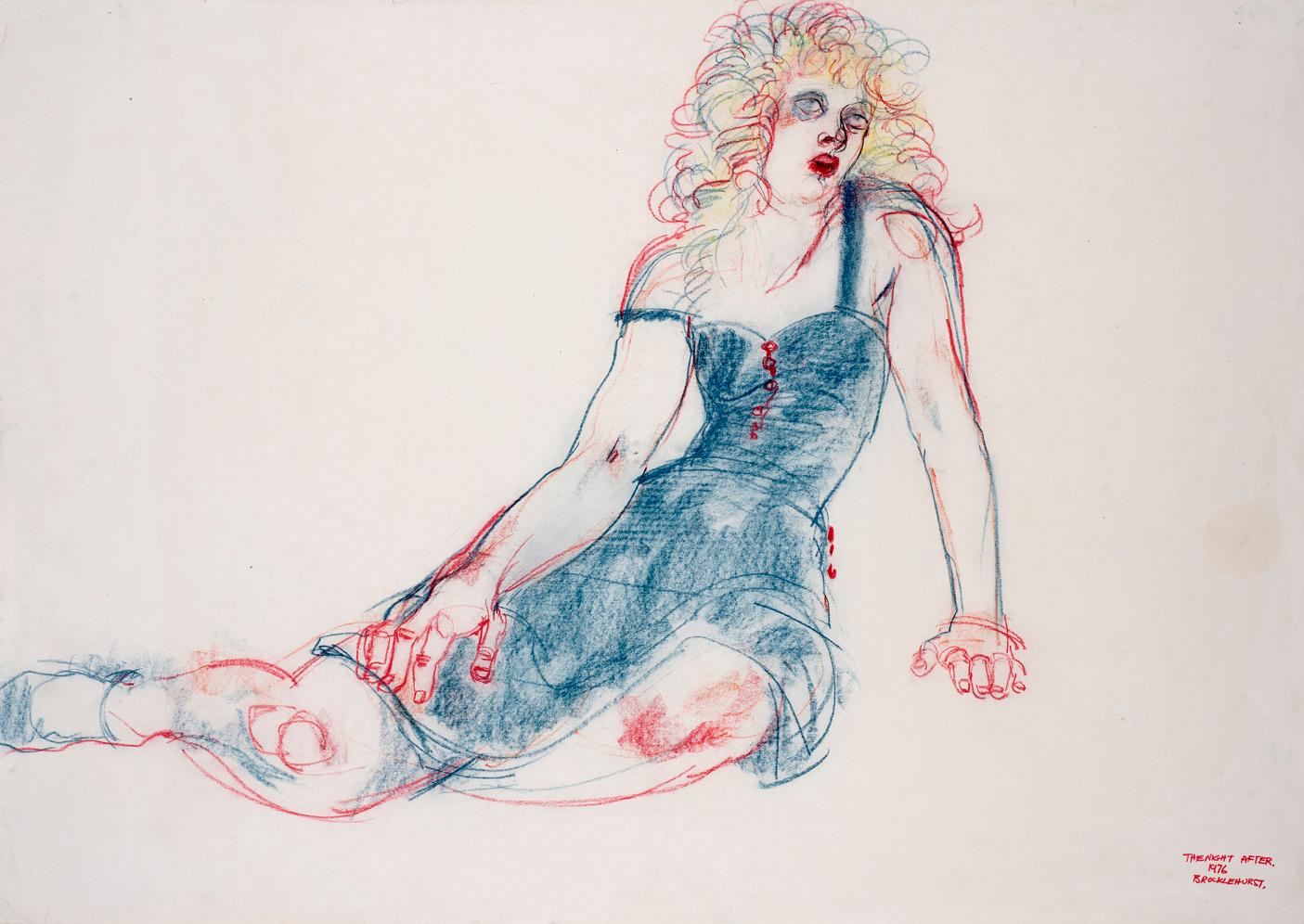
Jo Brocklehurst, The Night After, 1976
Jo (Josephine) Brocklehurst (1935 - 2006) studied at Central Saint Martins and began her career as a fashion illustrator. She later focused on portraiture, drawing directly from models at her studio in West Hampstead and in nightclubs and theatres in Berlin, London and New York. Her work documents the alternative subcultures of the 1970s, 80s and 90s that went on to shape mainstream fashion and performance scenes.
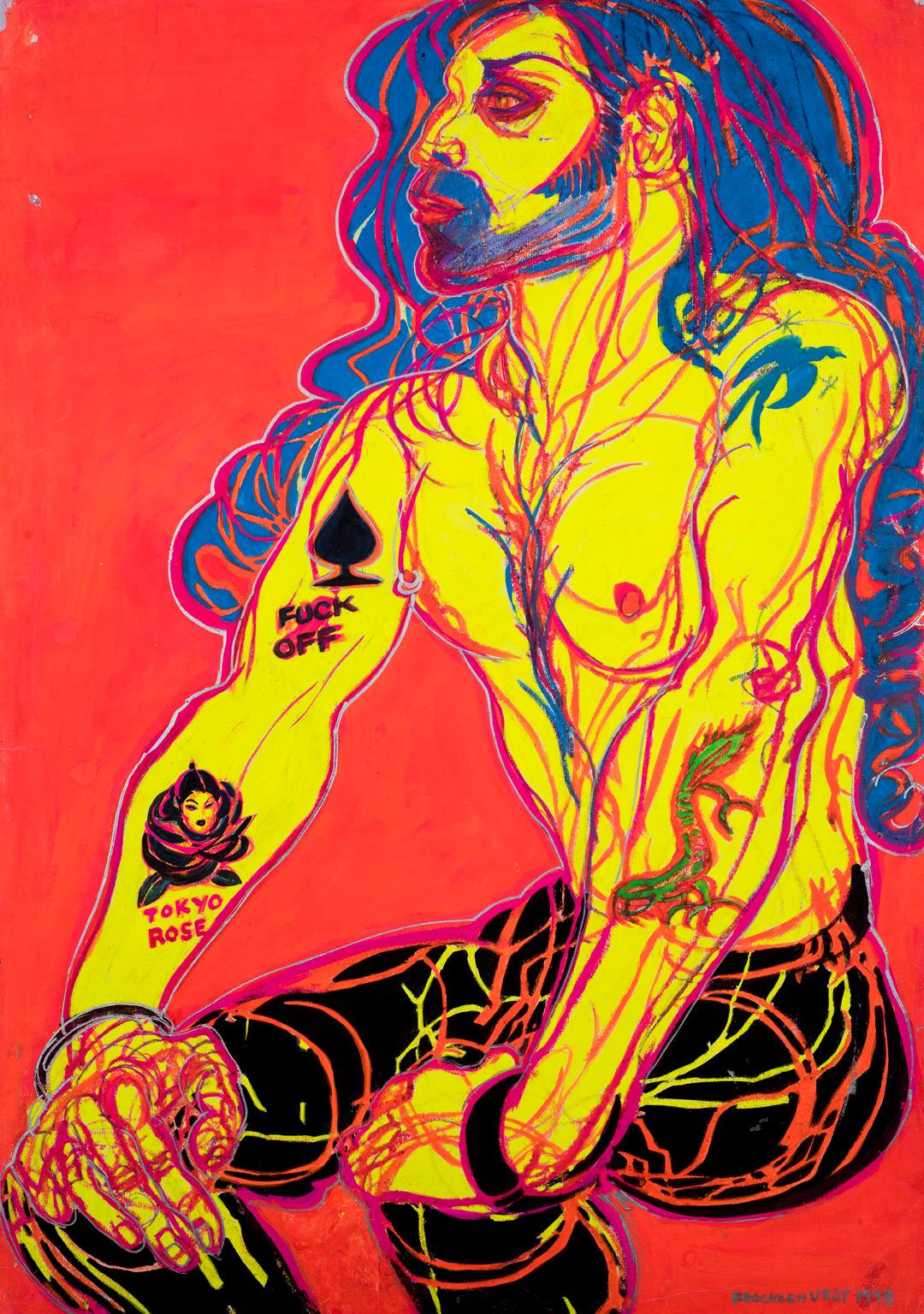
Jo Brocklehurst, Untitled (portrait of Anthony Gregory), 1995
Jo (Josephine) Brocklehurst (1935 - 2006) studied at Central Saint Martins and began her career as a fashion illustrator. She later focused on portraiture, drawing directly from models at her studio in West Hampstead and in nightclubs and theatres in Berlin, London and New York. Her work documents the alternative subcultures of the 1970s, 80s and 90s that went on to shape mainstream fashion and performance scenes. In the 1990s, Brocklehurst began drawing the fashion designers and performers finding space for experimentation in the fetish clubs of Soho and King’s Cross.
Content warning: strong language
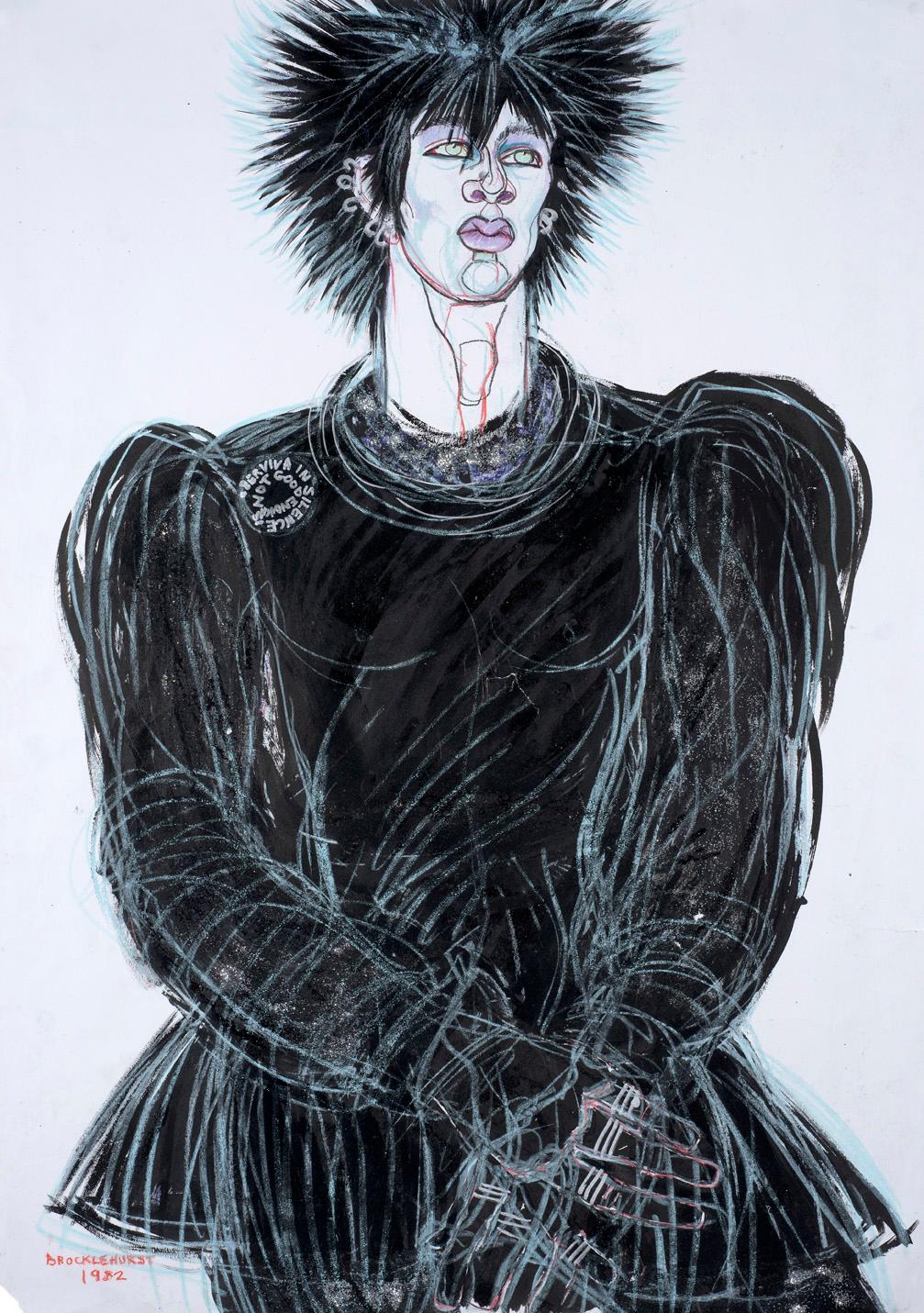
Jo Brocklehurst, Untitled, 1982
Jo (Josephine) Brocklehurst (1935 - 2006) studied at Central Saint Martins and began her career as a fashion illustrator. She later focused on portraiture, drawing directly from models at her studio in West Hampstead and in nightclubs and theatres in Berlin, London and New York. Her work documents the alternative subcultures of the 1970s, 80s and 90s that went on to shape mainstream fashion and performance scenes.
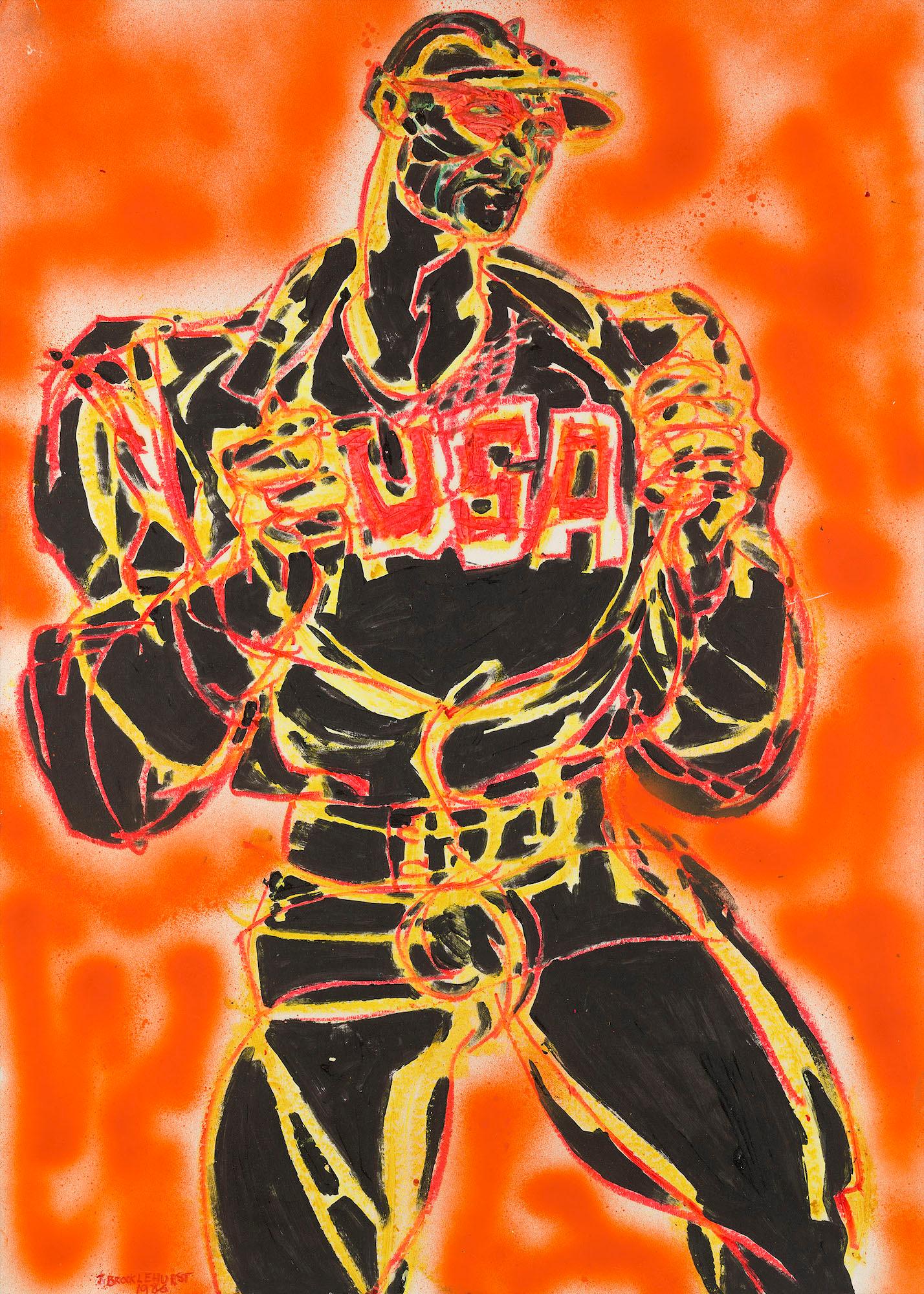
Jo Brocklehurst, Untitled, 1986
Jo (Josephine) Brocklehurst (1935 - 2006) studied at Central Saint Martins and began her career as a fashion illustrator. She later focused on portraiture, drawing directly from models at her studio in West Hampstead and in nightclubs and theatres in Berlin, London and New York. Her work documents the alternative subcultures of the 1970s, 80s and 90s that went on to shape mainstream fashion and performance scenes. Brocklehurst began working in New York following an exhibition of her work there in 1983. She took paper and materials to the gay nightclubs of the Meatpacking District, drawing clubgoers like this one. Brocklehurst used neon inks that she could see under the ultraviolet lights.
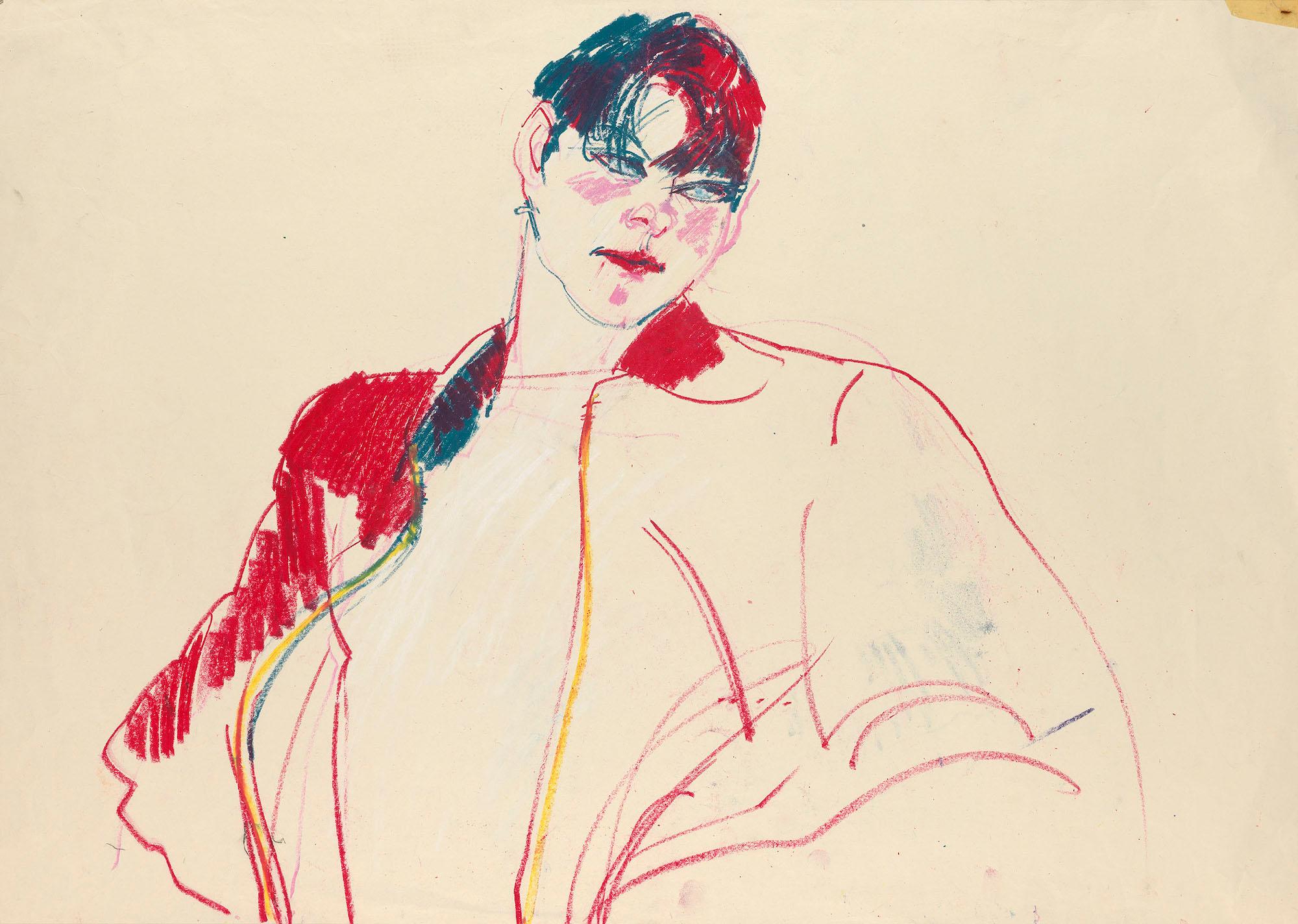
Jo Brocklehurst, Untitled, 1980s
Jo (Josephine) Brocklehurst (1935 - 2006) studied at Central Saint Martins and began her career as a fashion illustrator. She later focused on portraiture, drawing directly from models at her studio in West Hampstead and in nightclubs and theatres in Berlin, London and New York. Her work documents the alternative subcultures of the 1970s, 80s and 90s that went on to shape mainstream fashion and performance scenes.
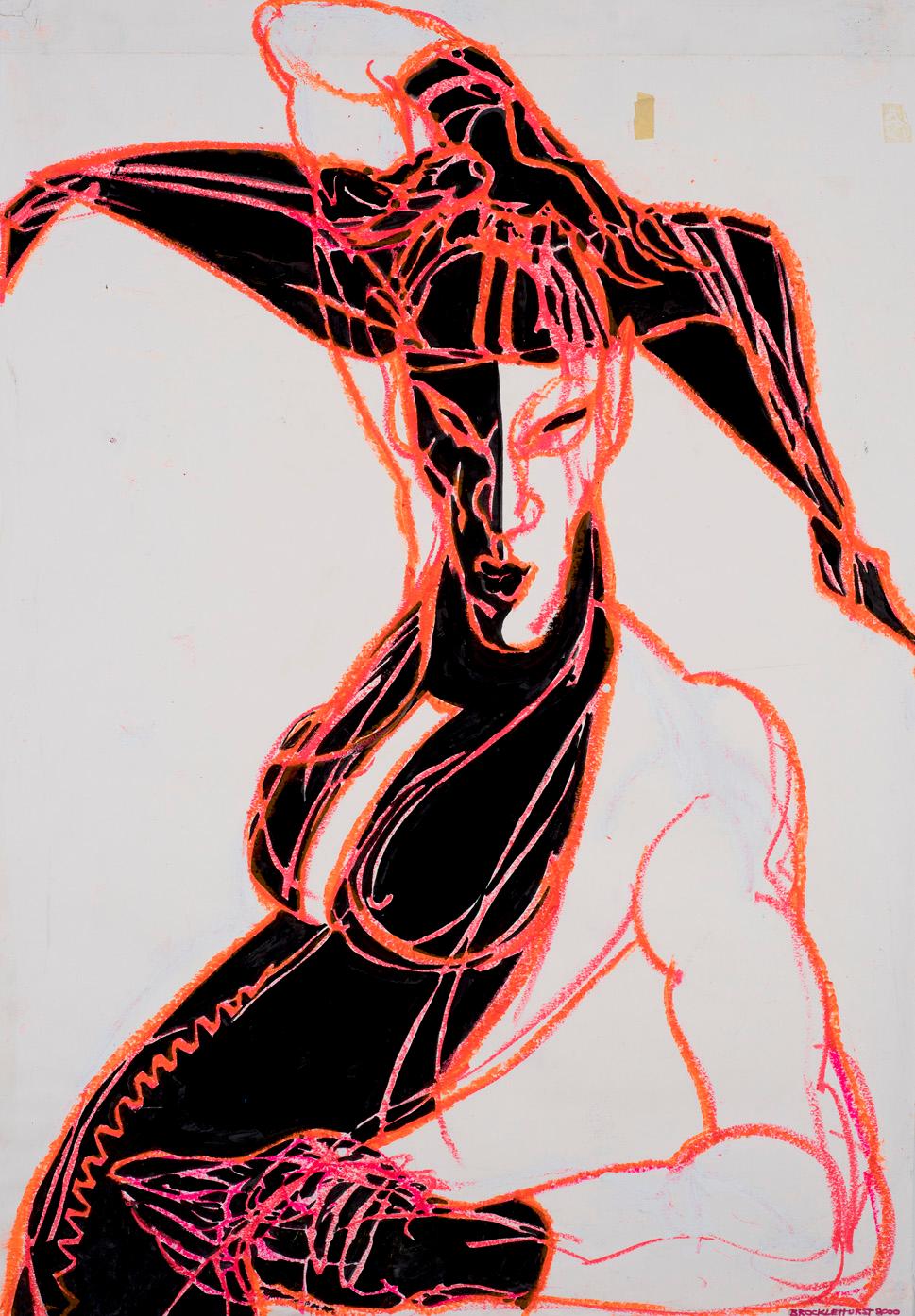
Jo Brocklehurst, Untitled (portrait of Josephine Leask), 2000
Jo (Josephine) Brocklehurst (1935 - 2006) studied at Central Saint Martins and began her career as a fashion illustrator. She later focused on portraiture, drawing directly from models at her studio in West Hampstead and in nightclubs and theatres in Berlin, London and New York. Her work documents the alternative subcultures of the 1970s, 80s and 90s that went on to shape mainstream fashion and performance scenes. In 2000, Brocklehurst created a series of drawings in sessions with dancer Josephine Leask. Leask’s 1999 article Welcome to the Club, published in ballettanz magazine, described the ways that nightclubs were acting as alternative theatres for cutting-edge contemporary dance. These drawings were shown as part of Leask’s lecture-performance on the same theme at the 2000 Salzburg Festival.
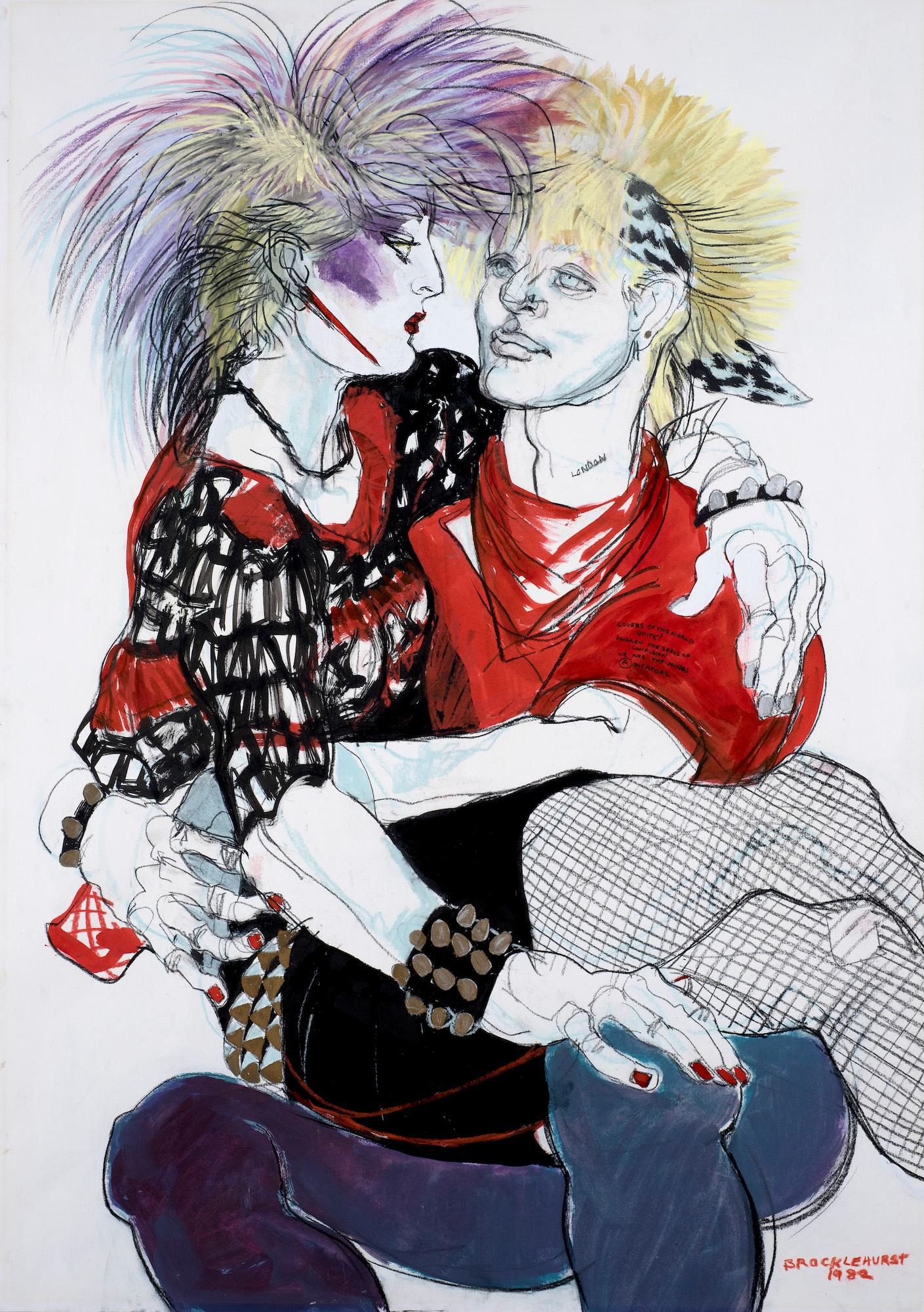
Jo Brocklehurst, Untitled (portrait with Val Drayton (left)), 1982
Jo (Josephine) Brocklehurst (1935 - 2006) studied at Central Saint Martins and began her career as a fashion illustrator. She later focused on portraiture, drawing directly from models at her studio in West Hampstead and in nightclubs and theatres in Berlin, London and New York. Her work documents the alternative subcultures of the 1970s, 80s and 90s that went on to shape mainstream fashion and performance scenes. In the 1980s, Brocklehurst drew a series portraits of members of the Kill Your Pet Puppy collective who were living in a squat close to her studio. Attracted to their anarcho-punk dress and ethos, she said “I felt that they understood very well what was going on in the world, what was in it for them”.
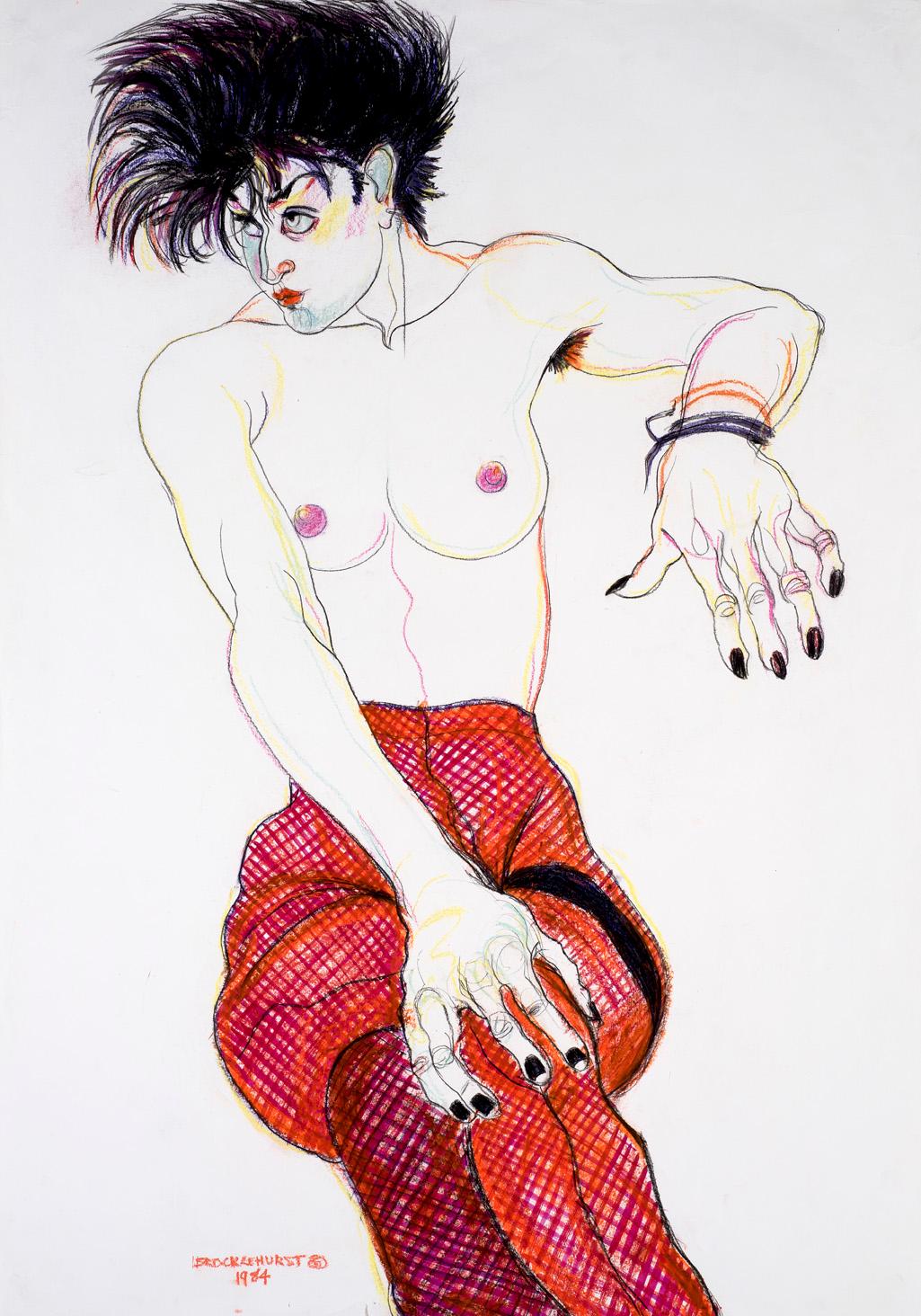
Jo Brocklehurst, Untitled, 1984
Jo (Josephine) Brocklehurst (1935 - 2006) studied at Central Saint Martins and began her career as a fashion illustrator. She later focused on portraiture, drawing directly from models at her studio in West Hampstead and in nightclubs and theatres in Berlin, London and New York. Her work documents the alternative subcultures of the 1970s, 80s and 90s that went on to shape mainstream fashion and performance scenes.
Content warning: nudity
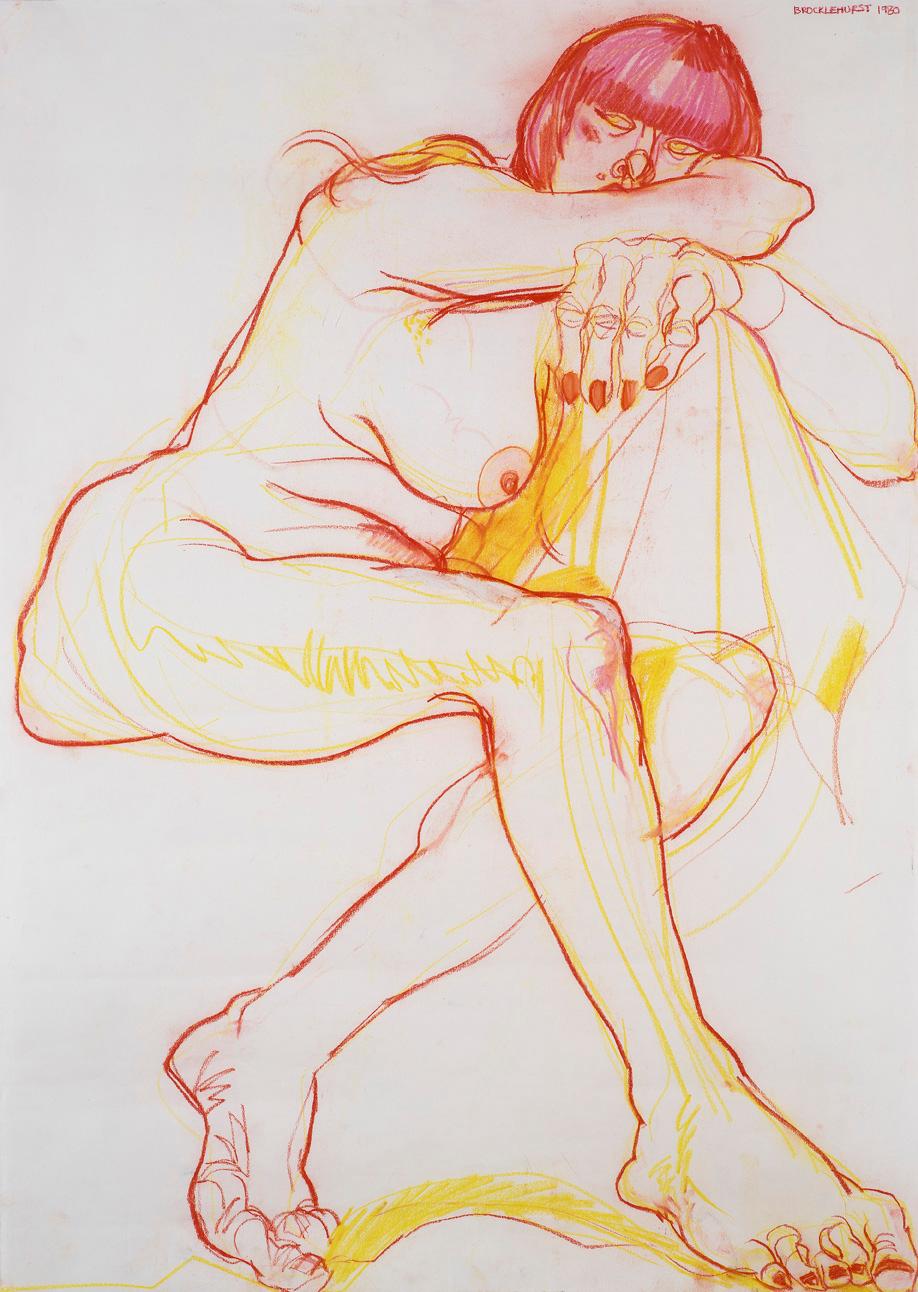
Jo Brocklehurst, Untitled, 1980
Jo (Josephine) Brocklehurst (1935 - 2006) studied at Central Saint Martins and began her career as a fashion illustrator. She later focused on portraiture, drawing directly from models at her studio in West Hampstead and in nightclubs and theatres in Berlin, London and New York. Her work documents the alternative subcultures of the 1970s, 80s and 90s that went on to shape mainstream fashion and performance scenes.
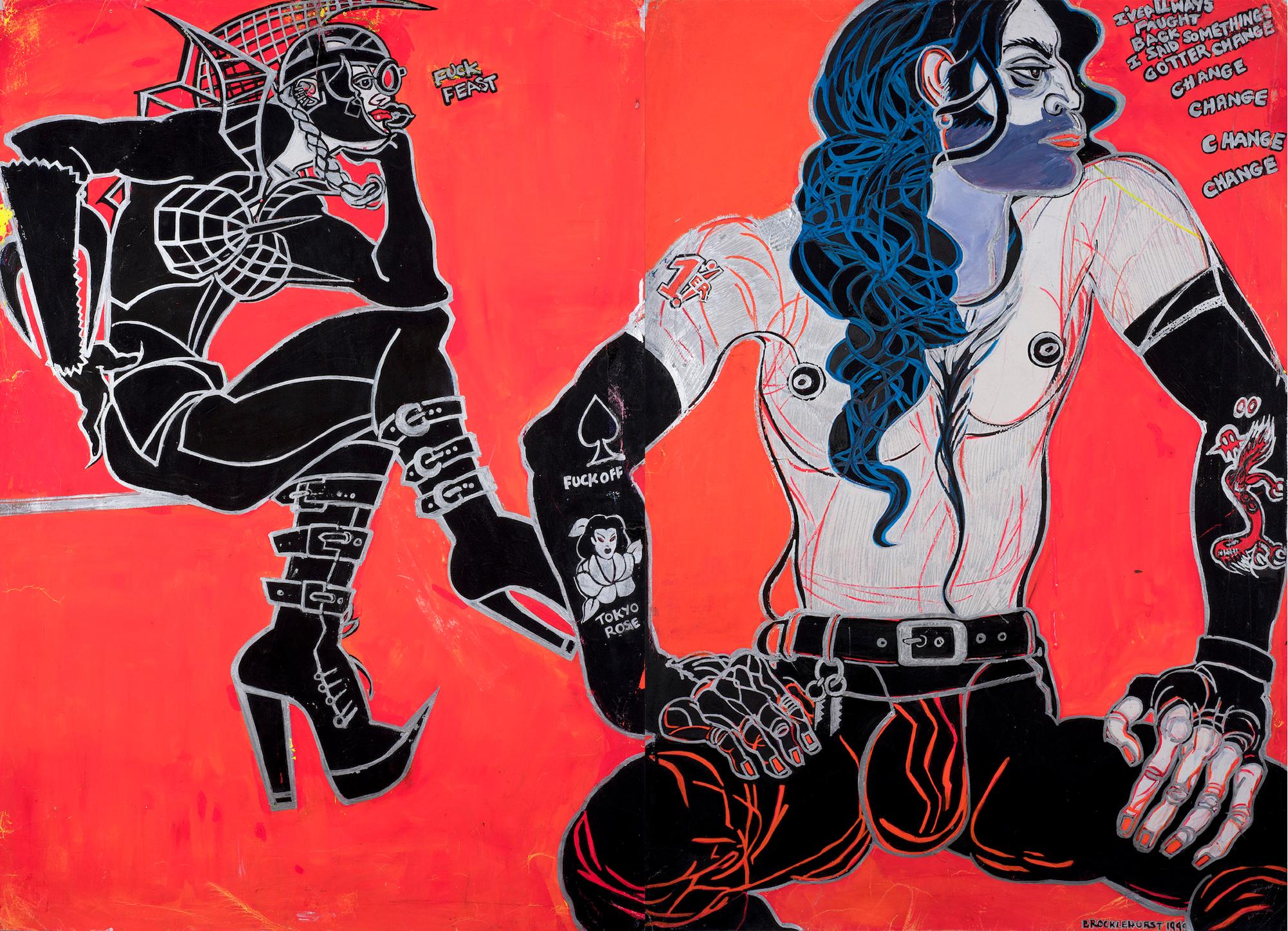
Jo Brocklehurst, Untitled (portrait of Isabelle Bricknall and Anthony Gregory), 1995
Jo (Josephine) Brocklehurst (1935 - 2006) studied at Central Saint Martins and began her career as a fashion illustrator. She later focused on portraiture, drawing directly from models at her studio in West Hampstead and in nightclubs and theatres in Berlin, London and New York. Her work documents the alternative subcultures of the 1970s, 80s and 90s that went on to shape mainstream fashion and performance scenes. In the 1990s, Brocklehurst began drawing the fashion designers and performers finding space for experimentation in the fetish clubs of Soho and King’s Cross. This portrait is of Brocklehurst’s regular collaborator Isabelle Bricknall, whose collection of steel ‘body armour’ (constructed by Anthony Gregory) was designed as ‘protection’ for nights on the fetish scene.
Content warning: strong language
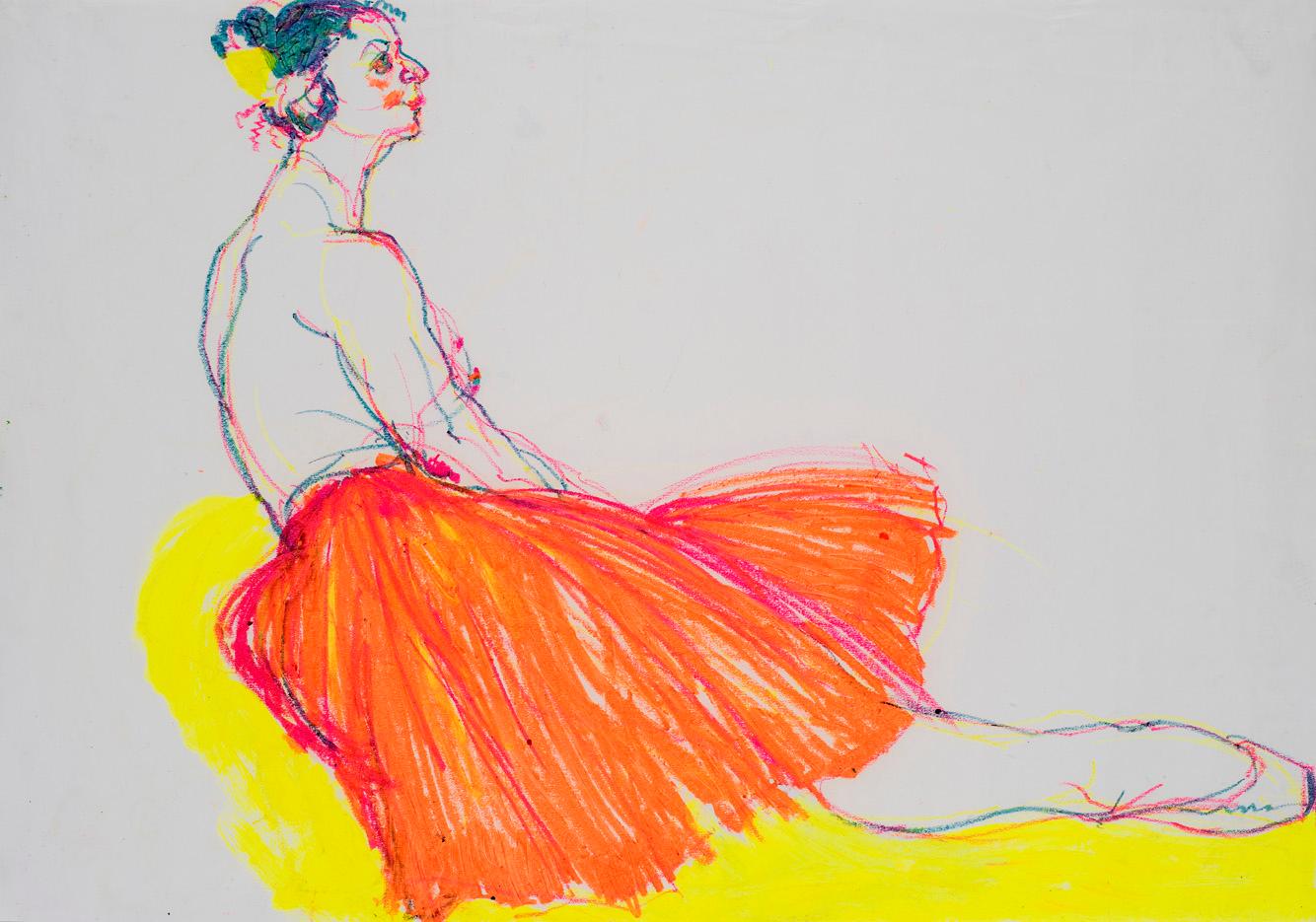
Jo Brocklehurst, Untitled, Unknown
Jo (Josephine) Brocklehurst (1935 - 2006) studied at Central Saint Martins and began her career as a fashion illustrator. She later focused on portraiture, drawing directly from models at her studio in West Hampstead and in nightclubs and theatres in Berlin, London and New York. Her work documents the alternative subcultures of the 1970s, 80s and 90s that went on to shape mainstream fashion and performance scenes.
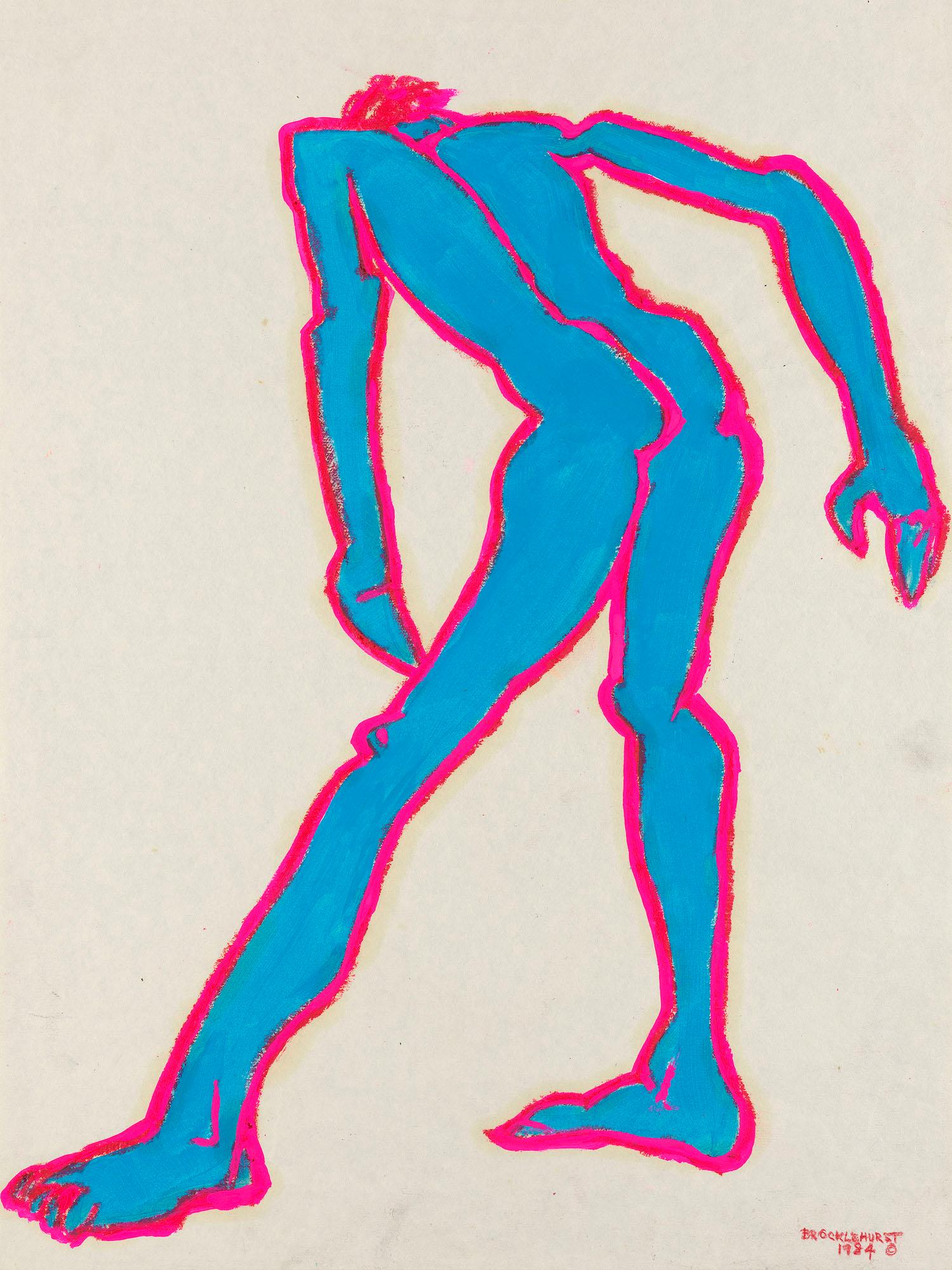
Jo Brocklehurst, Untitled, 1984
Jo (Josephine) Brocklehurst (1935 - 2006) studied at Central Saint Martins and began her career as a fashion illustrator. She later focused on portraiture, drawing directly from models at her studio in West Hampstead and in nightclubs and theatres in Berlin, London and New York. Her work documents the alternative subcultures of the 1970s, 80s and 90s that went on to shape mainstream fashion and performance scenes.
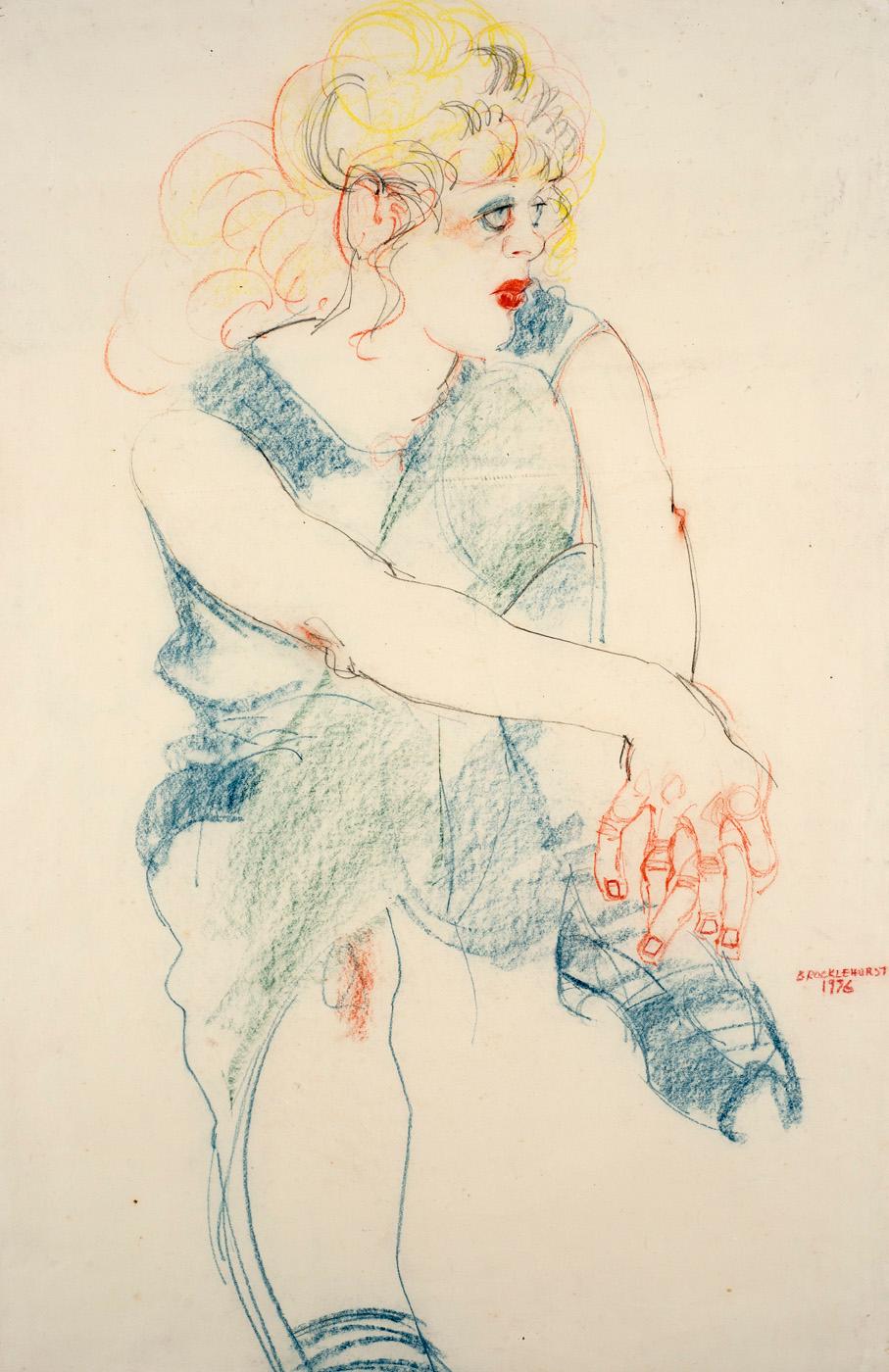
Jo Brocklehurst, Untitled, 1976
Jo (Josephine) Brocklehurst (1935 - 2006) studied at Central Saint Martins and began her career as a fashion illustrator. She later focused on portraiture, drawing directly from models at her studio in West Hampstead and in nightclubs and theatres in Berlin, London and New York. Her work documents the alternative subcultures of the 1970s, 80s and 90s that went on to shape mainstream fashion and performance scenes.
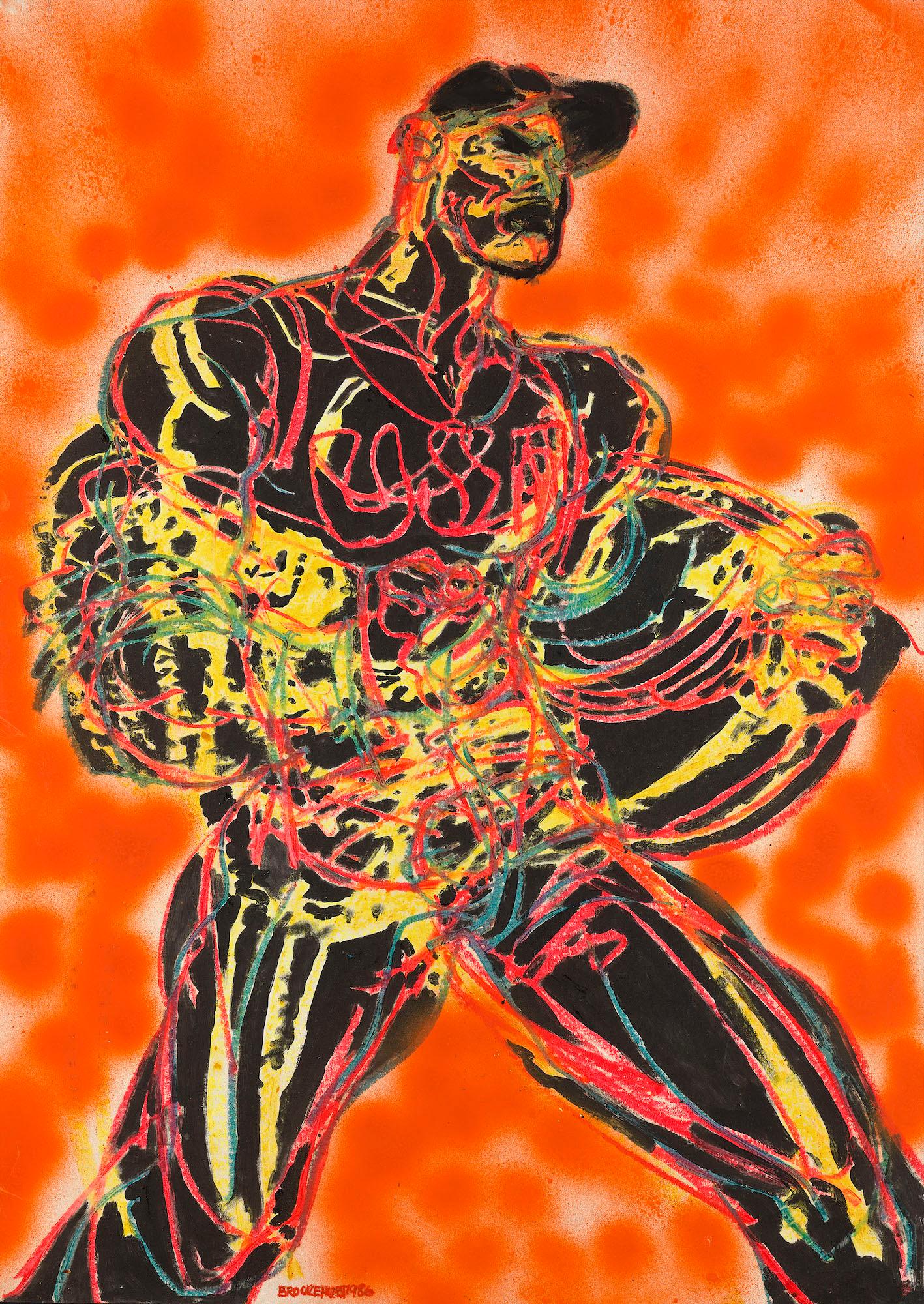
Jo Brocklehurst, Untitled, 1986
Jo (Josephine) Brocklehurst (1935 - 2006) studied at Central Saint Martins and began her career as a fashion illustrator. She later focused on portraiture, drawing directly from models at her studio in West Hampstead and in nightclubs and theatres in Berlin, London and New York. Her work documents the alternative subcultures of the 1970s, 80s and 90s that went on to shape mainstream fashion and performance scenes. Brocklehurst began working in New York following an exhibition of her work there in 1983. She took paper and materials to the gay nightclubs of the Meatpacking District, drawing clubgoers like this one. Brocklehurst used neon inks that she could see under the ultraviolet lights.
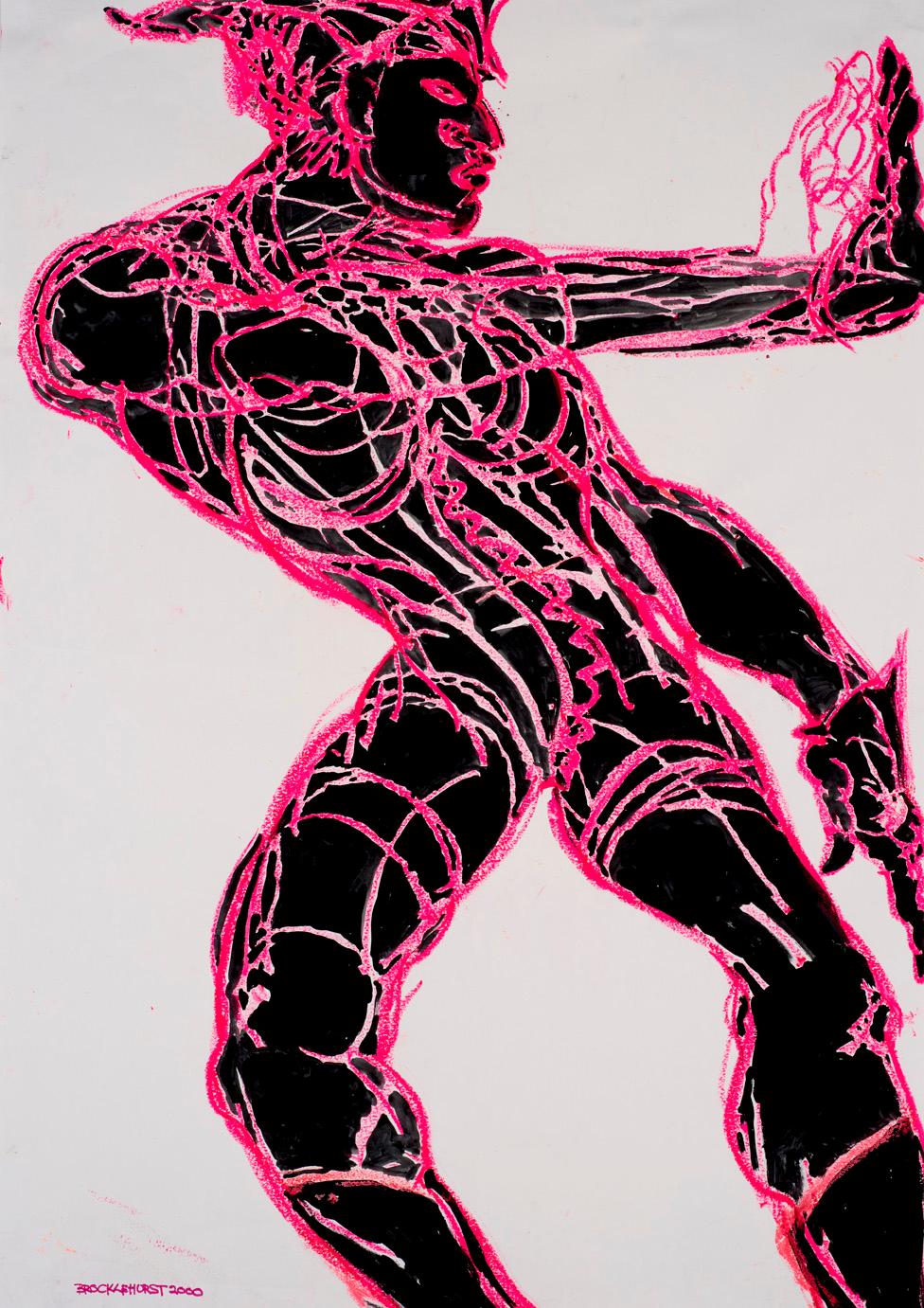
Jo Brocklehurst, Untitled (portrait of Josephine Leask), 2000
Jo (Josephine) Brocklehurst (1935 - 2006) studied at Central Saint Martins and began her career as a fashion illustrator. She later focused on portraiture, drawing directly from models at her studio in West Hampstead and in nightclubs and theatres in Berlin, London and New York. Her work documents the alternative subcultures of the 1970s, 80s and 90s that went on to shape mainstream fashion and performance scenes. In 2000, Brocklehurst created a series of drawings in sessions with dancer Josephine Leask. Leask’s 1999 article Welcome to the Club, published in ballettanz magazine, described the ways that nightclubs were acting as alternative theatres for cutting-edge contemporary dance. These drawings were shown as part of Leask’s lecture-performance on the same theme at the 2000 Salzburg Festival.
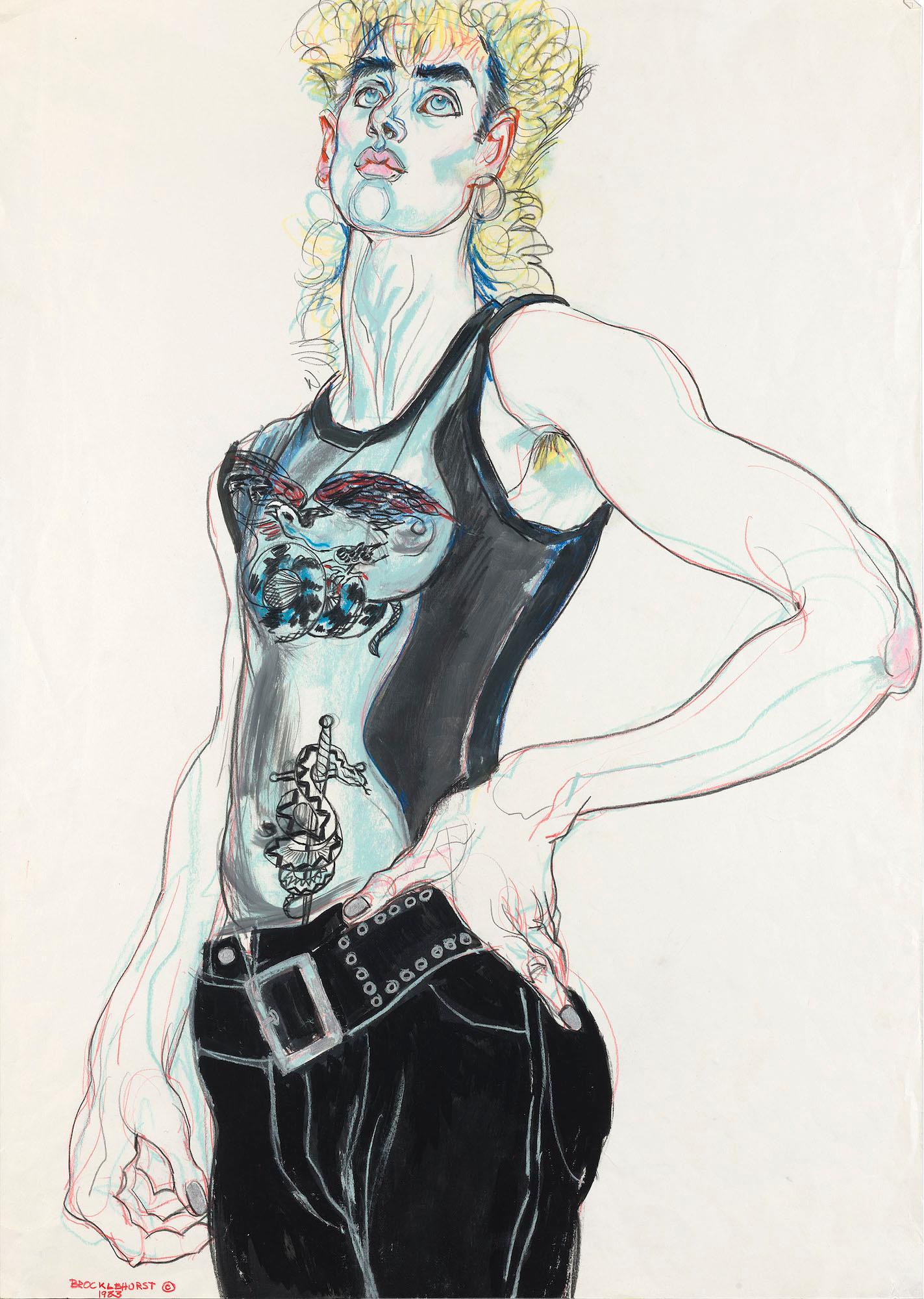
Jo Brocklehurst, Untitled (portrait of Brett), 1983
Jo (Josephine) Brocklehurst (1935 - 2006) studied at Central Saint Martins and began her career as a fashion illustrator. She later focused on portraiture, drawing directly from models at her studio in West Hampstead and in nightclubs and theatres in Berlin, London and New York. Her work documents the alternative subcultures of the 1970s, 80s and 90s that went on to shape mainstream fashion and performance scenes. In the 1980s, Brocklehurst drew a series portraits of members of the Kill Your Pet Puppy collective who were living in a squat close to her studio. Attracted to their anarcho-punk dress and ethos, she said “I felt that they understood very well what was going on in the world, what was in it for them”.
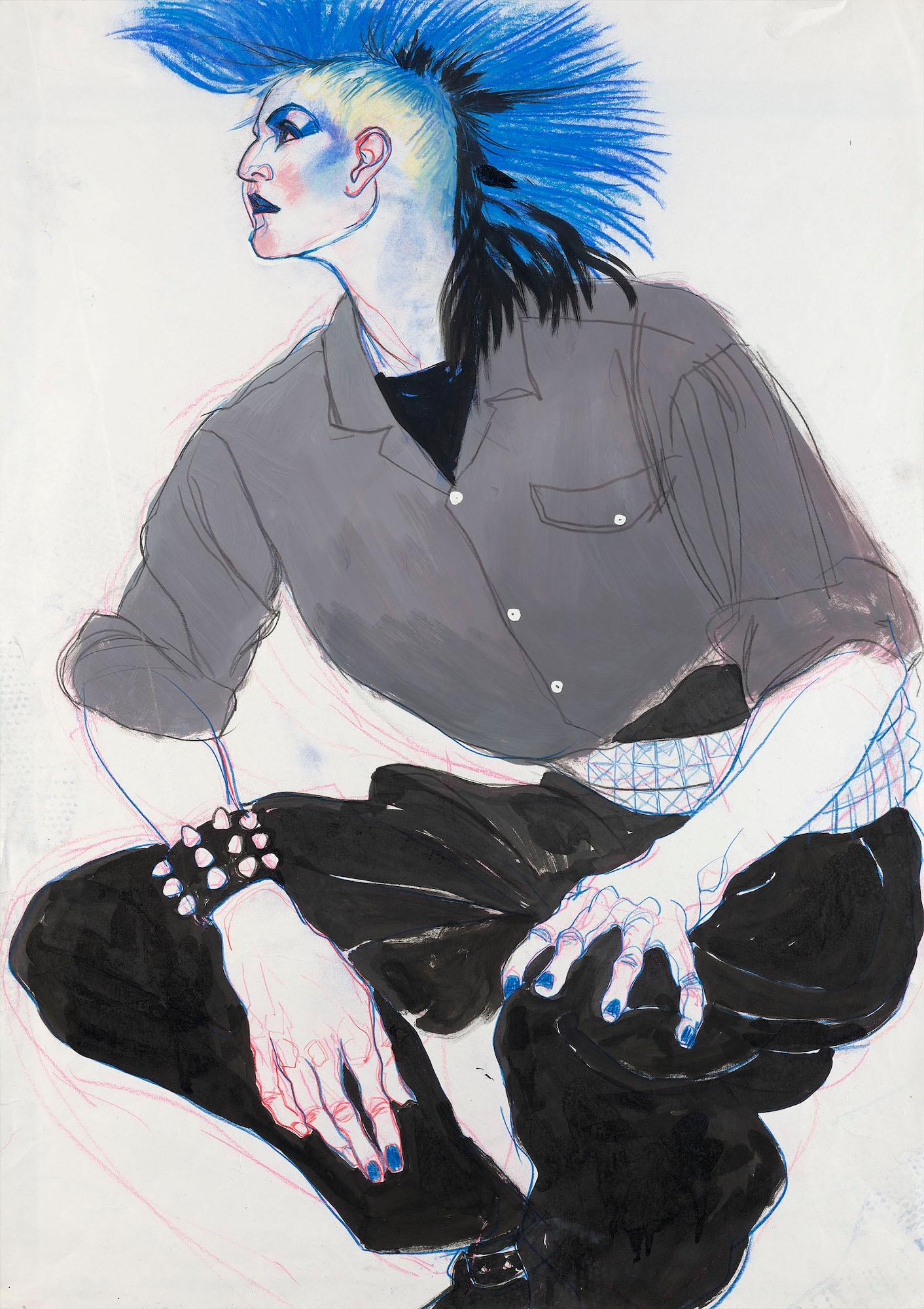
Jo Brocklehurst, Untitled, 1980s
Jo (Josephine) Brocklehurst (1935 - 2006) studied at Central Saint Martins and began her career as a fashion illustrator. She later focused on portraiture, drawing directly from models at her studio in West Hampstead and in nightclubs and theatres in Berlin, London and New York. Her work documents the alternative subcultures of the 1970s, 80s and 90s that went on to shape mainstream fashion and performance scenes.
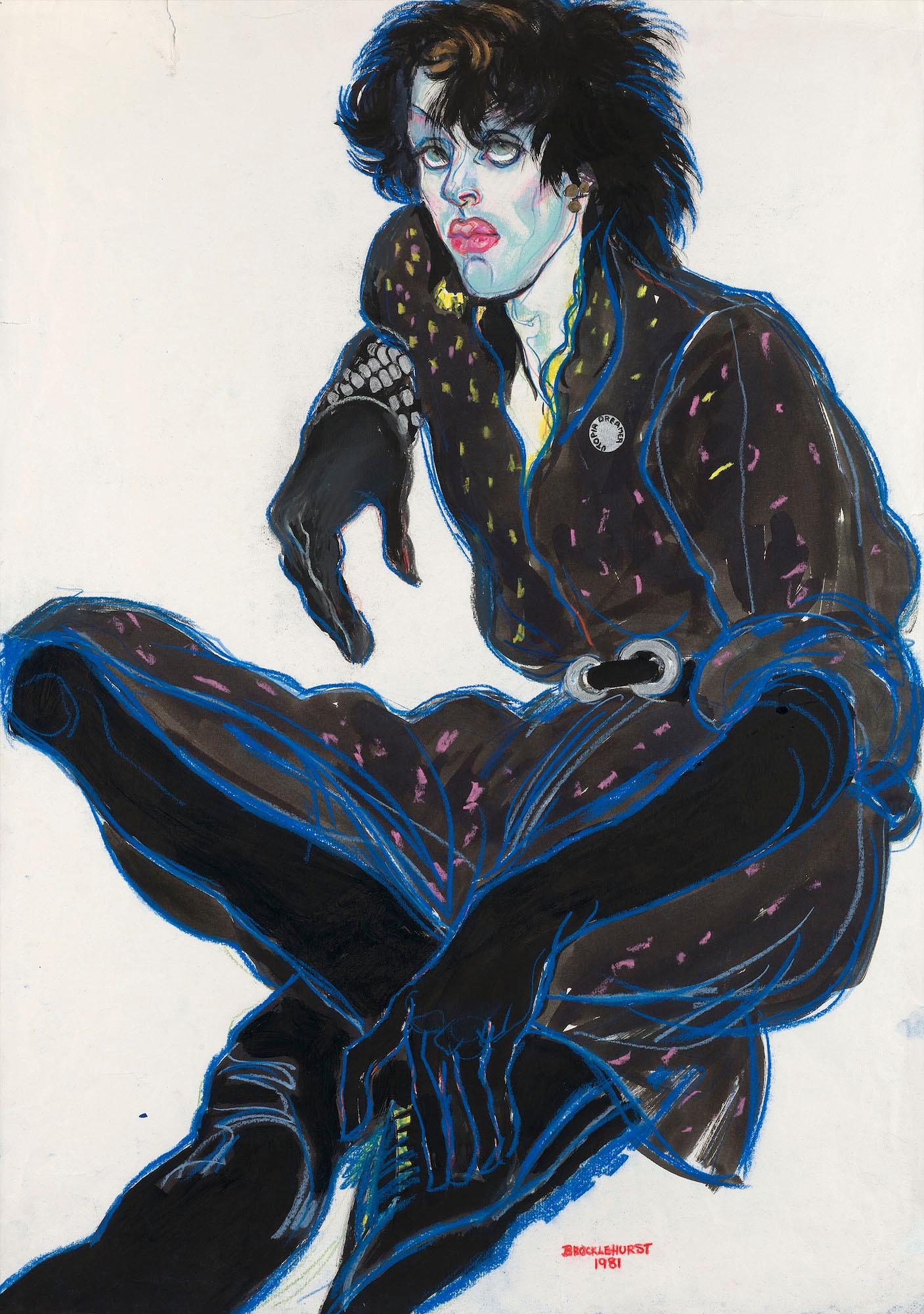
Jo Brocklehurst, Untitled, 1981
Jo (Josephine) Brocklehurst (1935 - 2006) studied at Central Saint Martins and began her career as a fashion illustrator. She later focused on portraiture, drawing directly from models at her studio in West Hampstead and in nightclubs and theatres in Berlin, London and New York. Her work documents the alternative subcultures of the 1970s, 80s and 90s that went on to shape mainstream fashion and performance scenes.
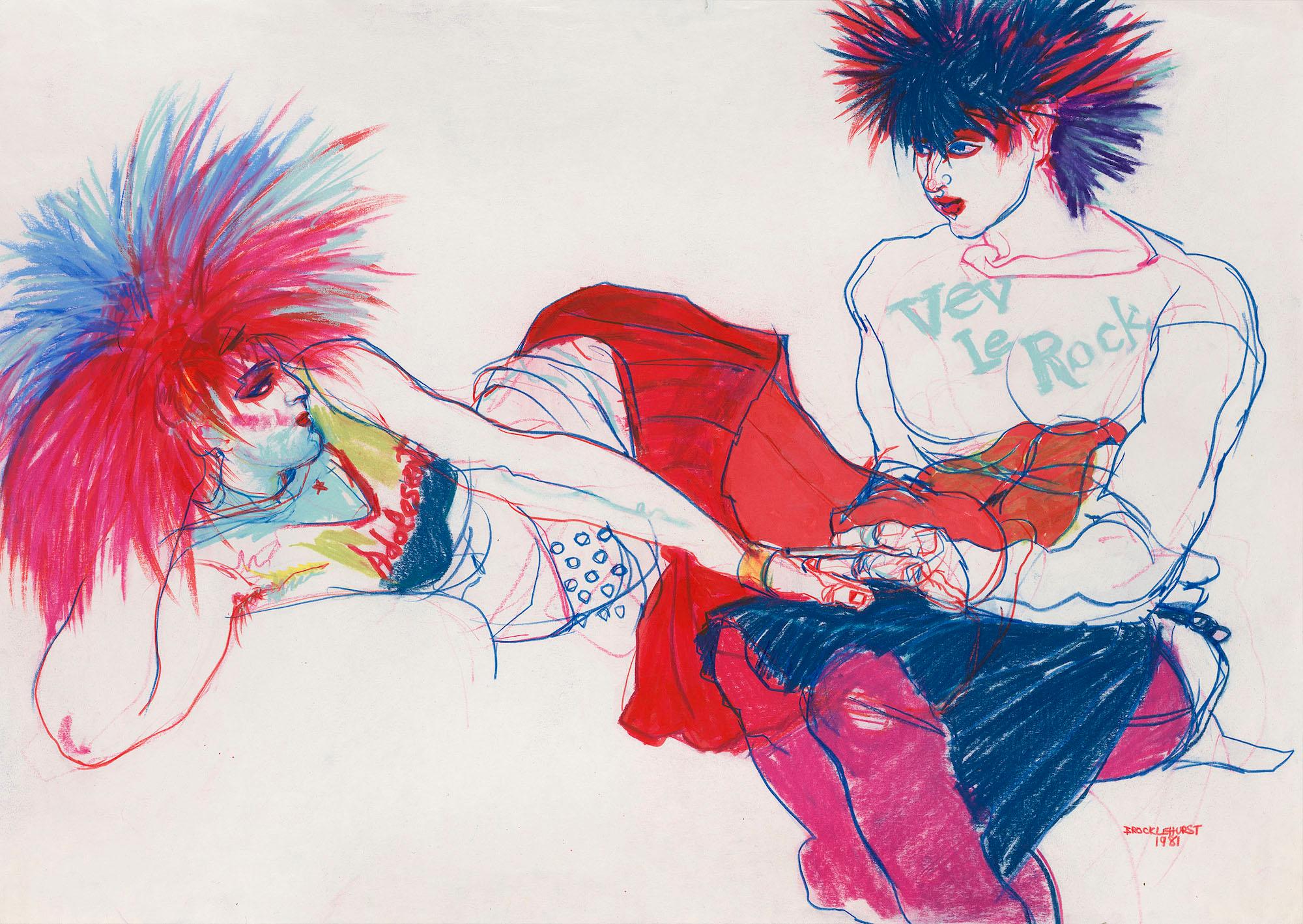
Jo Brocklehurst, Untitled (portrait of Val Drayton and Lou Challice), 1981
Jo (Josephine) Brocklehurst (1935 - 2006) studied at Central Saint Martins and began her career as a fashion illustrator. She later focused on portraiture, drawing directly from models at her studio in West Hampstead and in nightclubs and theatres in Berlin, London and New York. Her work documents the alternative subcultures of the 1970s, 80s and 90s that went on to shape mainstream fashion and performance scenes. In the 1980s, Brocklehurst drew a series portraits of members of the Kill Your Pet Puppy collective who were living in a squat close to her studio. Attracted to their anarcho-punk dress and ethos, she said “I felt that they understood very well what was going on in the world, what was in it for them”.
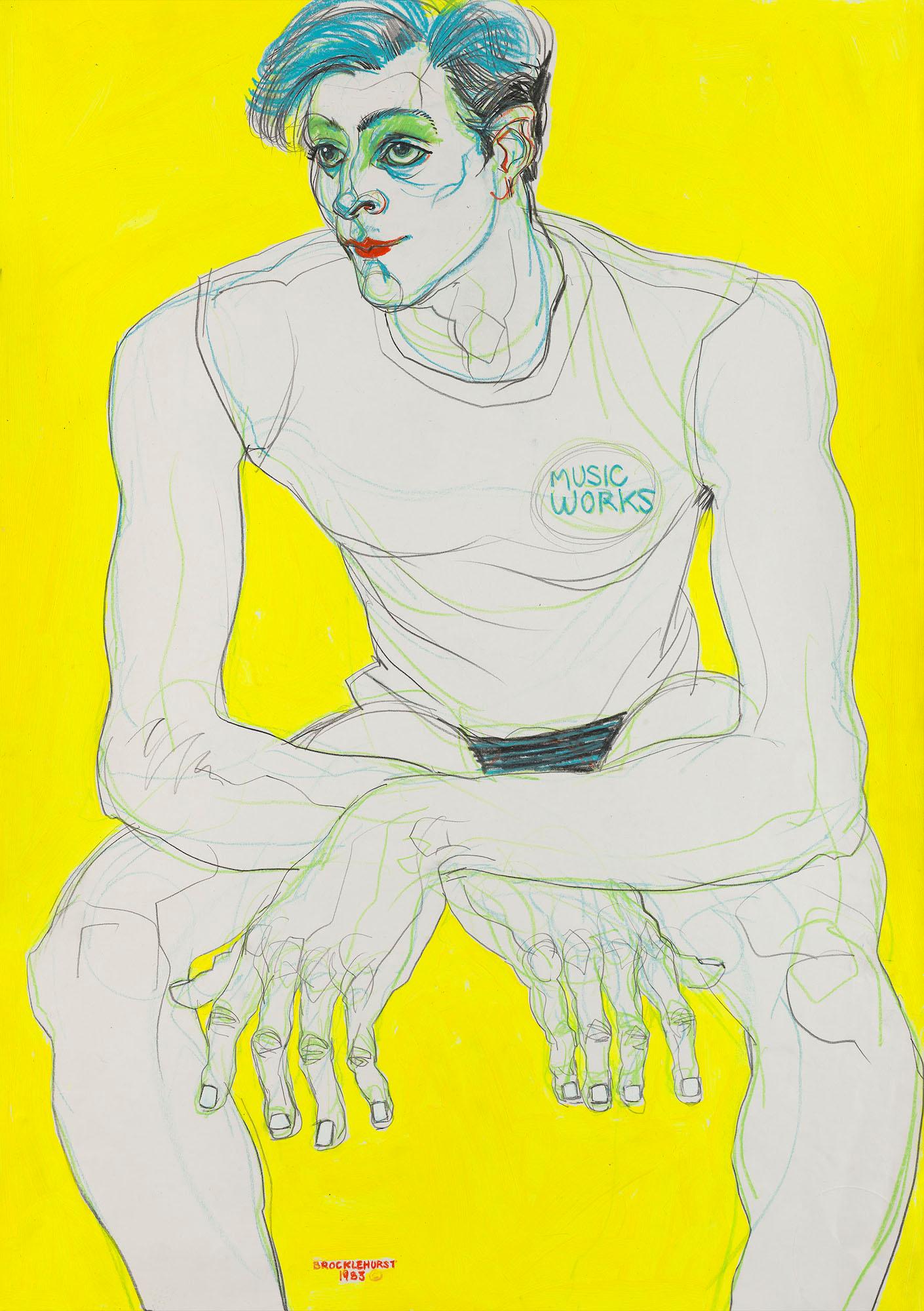
Jo Brocklehurst, Untitled, 1983
Jo (Josephine) Brocklehurst (1935 - 2006) studied at Central Saint Martins and began her career as a fashion illustrator. She later focused on portraiture, drawing directly from models at her studio in West Hampstead and in nightclubs and theatres in Berlin, London and New York. Her work documents the alternative subcultures of the 1970s, 80s and 90s that went on to shape mainstream fashion and performance scenes.
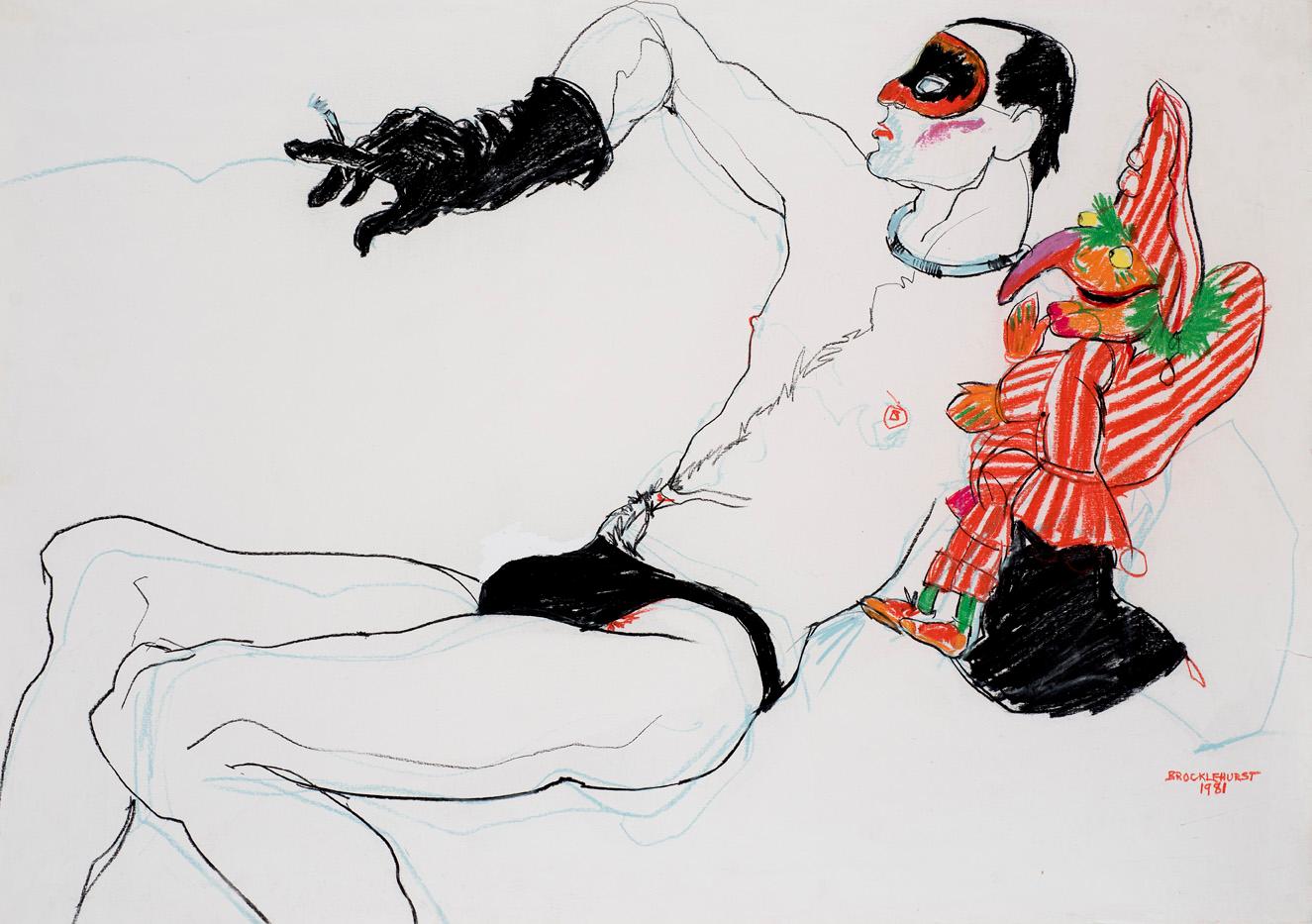
Jo Brocklehurst, Untitled, 1981
Jo (Josephine) Brocklehurst (1935 - 2006) studied at Central Saint Martins and began her career as a fashion illustrator. She later focused on portraiture, drawing directly from models at her studio in West Hampstead and in nightclubs and theatres in Berlin, London and New York. Her work documents the alternative subcultures of the 1970s, 80s and 90s that went on to shape mainstream fashion and performance scenes.
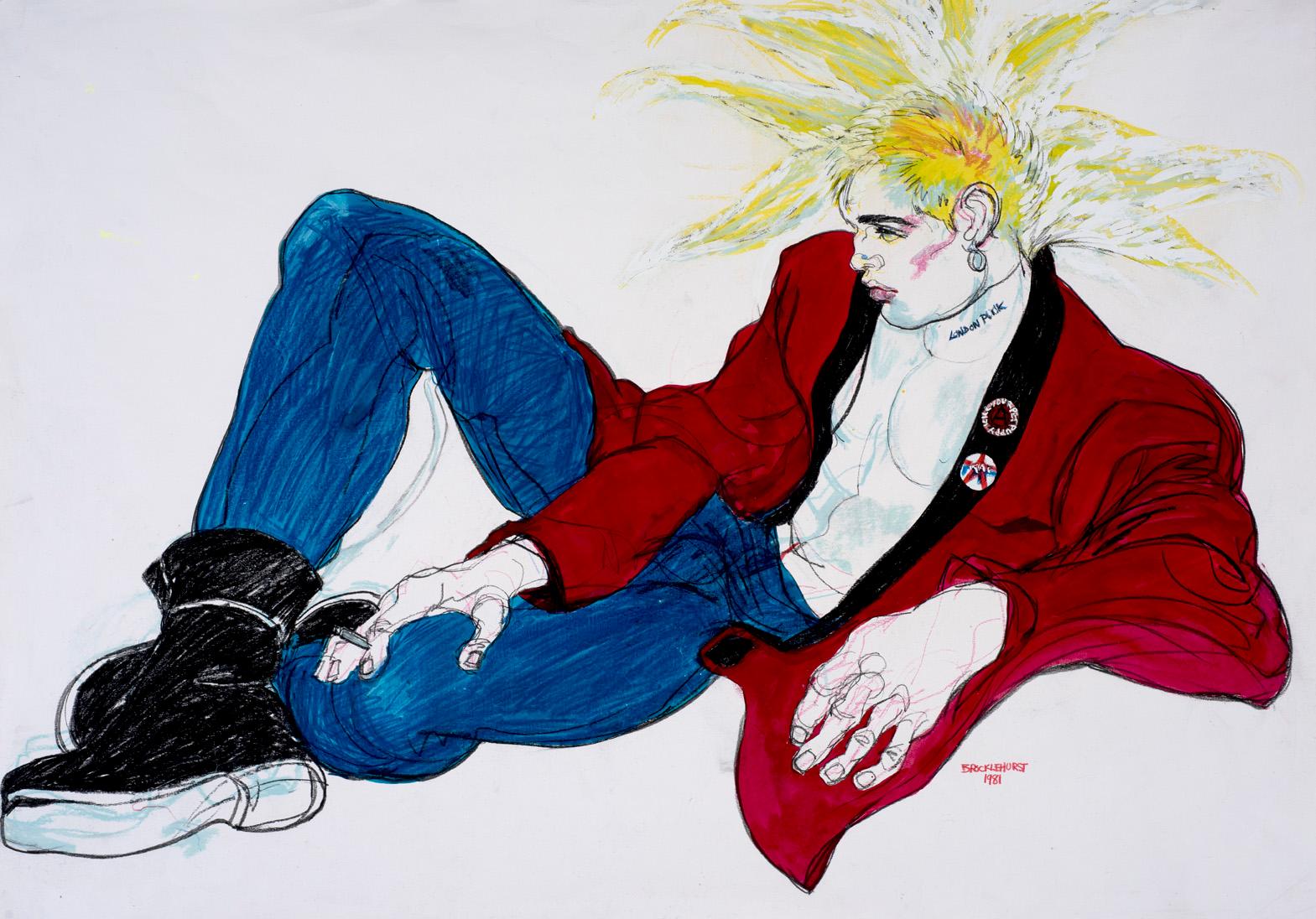
Jo Brocklehurst, Untitled, 1981
Jo (Josephine) Brocklehurst (1935 - 2006) studied at Central Saint Martins and began her career as a fashion illustrator. She later focused on portraiture, drawing directly from models at her studio in West Hampstead and in nightclubs and theatres in Berlin, London and New York. Her work documents the alternative subcultures of the 1970s, 80s and 90s that went on to shape mainstream fashion and performance scenes. In the 1980s, Brocklehurst drew a series portraits of members of the Kill Your Pet Puppy collective who were living in a squat close to her studio. Attracted to their anarcho-punk dress and ethos, she said “I felt that they understood very well what was going on in the world, what was in it for them”.
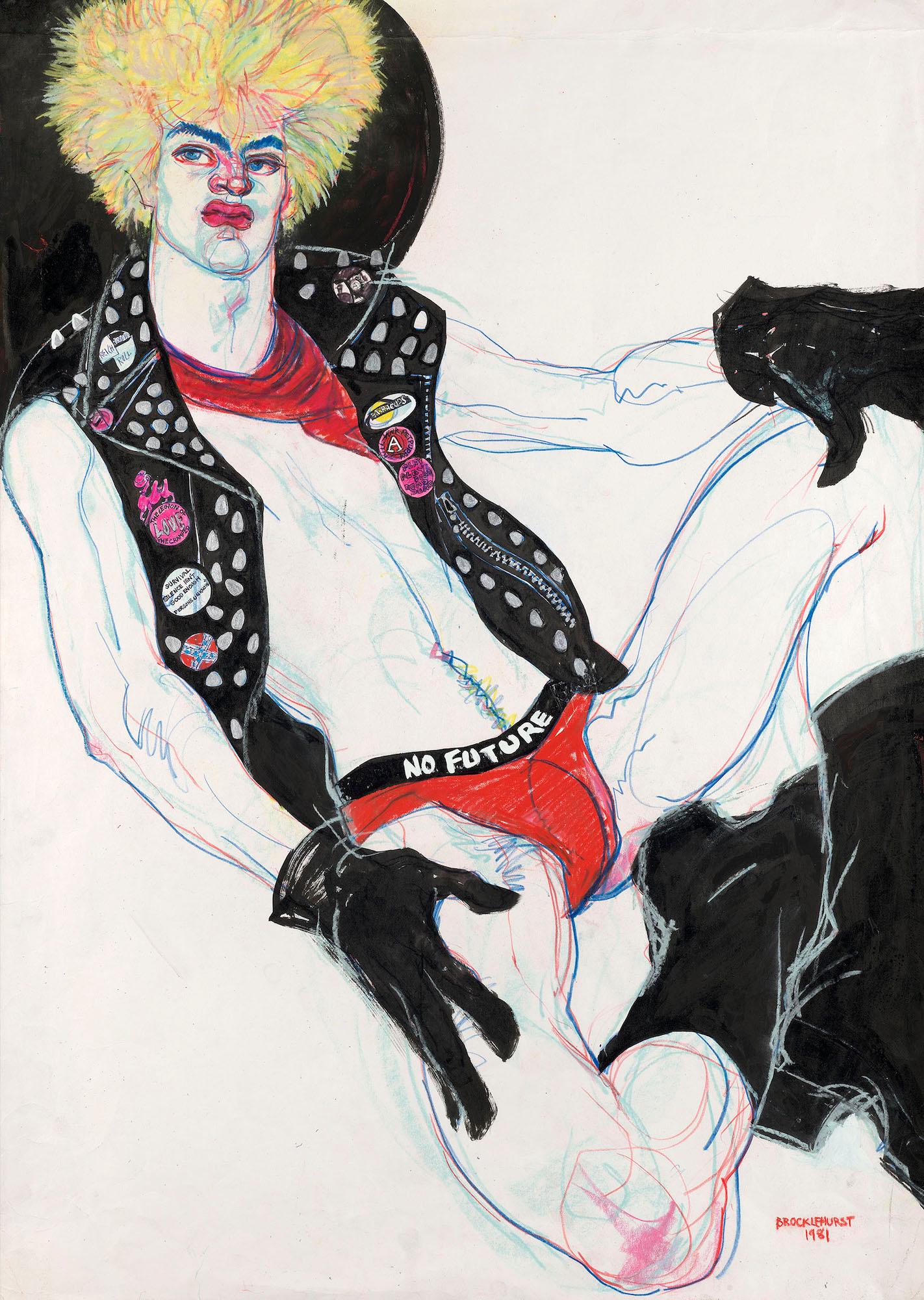
Jo Brocklehurst, Untitled (portrait of Tony Drayton), 1981
Jo (Josephine) Brocklehurst (1935 - 2006) studied at Central Saint Martins and began her career as a fashion illustrator. She later focused on portraiture, drawing directly from models at her studio in West Hampstead and in nightclubs and theatres in Berlin, London and New York. Her work documents the alternative subcultures of the 1970s, 80s and 90s that went on to shape mainstream fashion and performance scenes. In the 1980s, Brocklehurst drew a series portraits of members of the Kill Your Pet Puppy collective who were living in a squat close to her studio. Attracted to their anarcho-punk dress and ethos, she said “I felt that they understood very well what was going on in the world, what was in it for them”. This portrait is of Tony Drayton, founder of Kill Your Pet Puppy and punk fanzine Ripped And Torn.
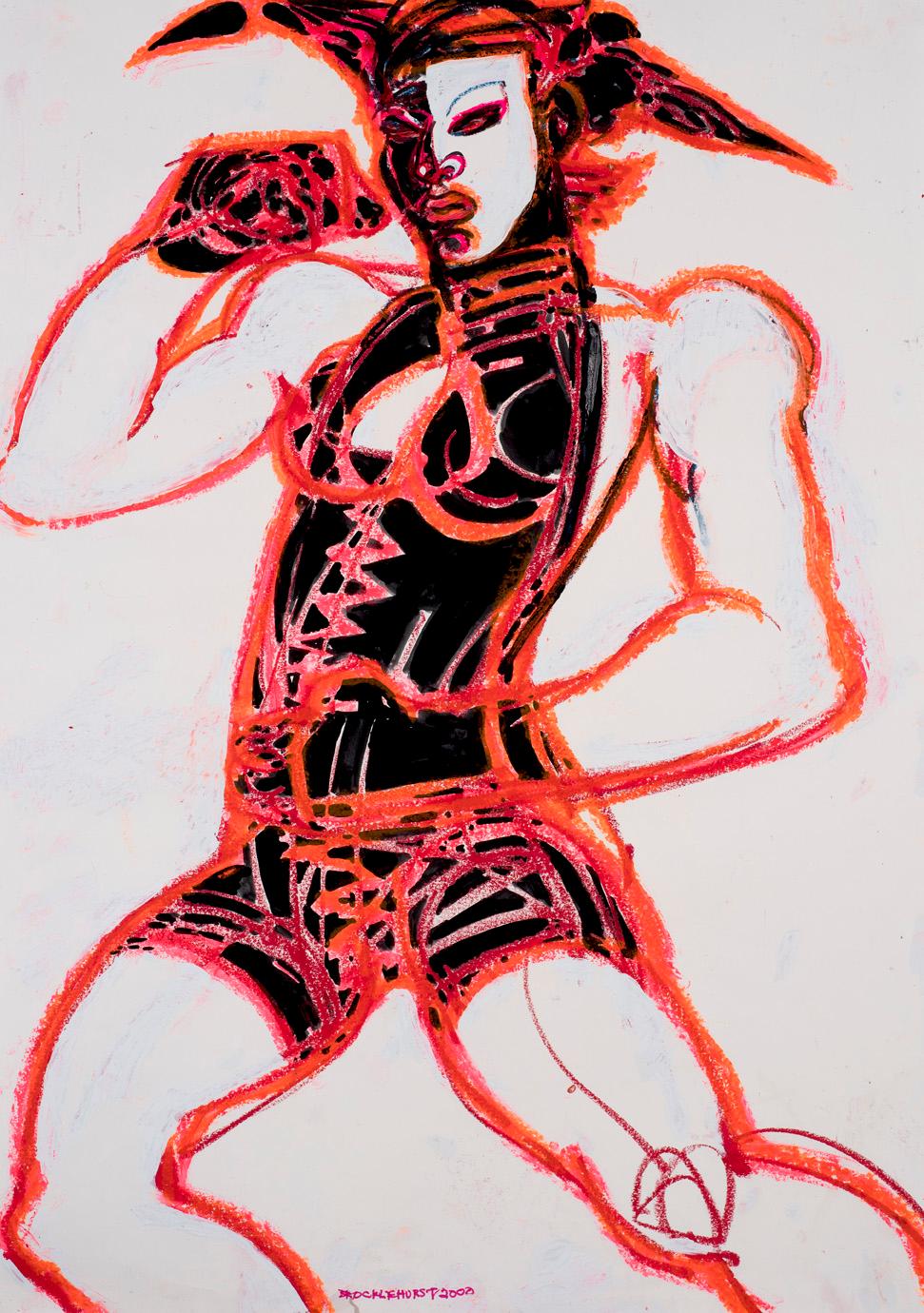
Jo Brocklehurst, Untitled (portrait of Josephine Leask), 2000
Jo (Josephine) Brocklehurst (1935 - 2006) studied at Central Saint Martins and began her career as a fashion illustrator. She later focused on portraiture, drawing directly from models at her studio in West Hampstead and in nightclubs and theatres in Berlin, London and New York. Her work documents the alternative subcultures of the 1970s, 80s and 90s that went on to shape mainstream fashion and performance scenes. In 2000, Brocklehurst created a series of drawings in sessions with dancer Josephine Leask. Leask’s 1999 article Welcome to the Club, published in ballettanz magazine, described the ways that nightclubs were acting as alternative theatres for cutting-edge contemporary dance. These drawings were shown as part of Leask’s lecture-performance on the same theme at the 2000 Salzburg Festival.
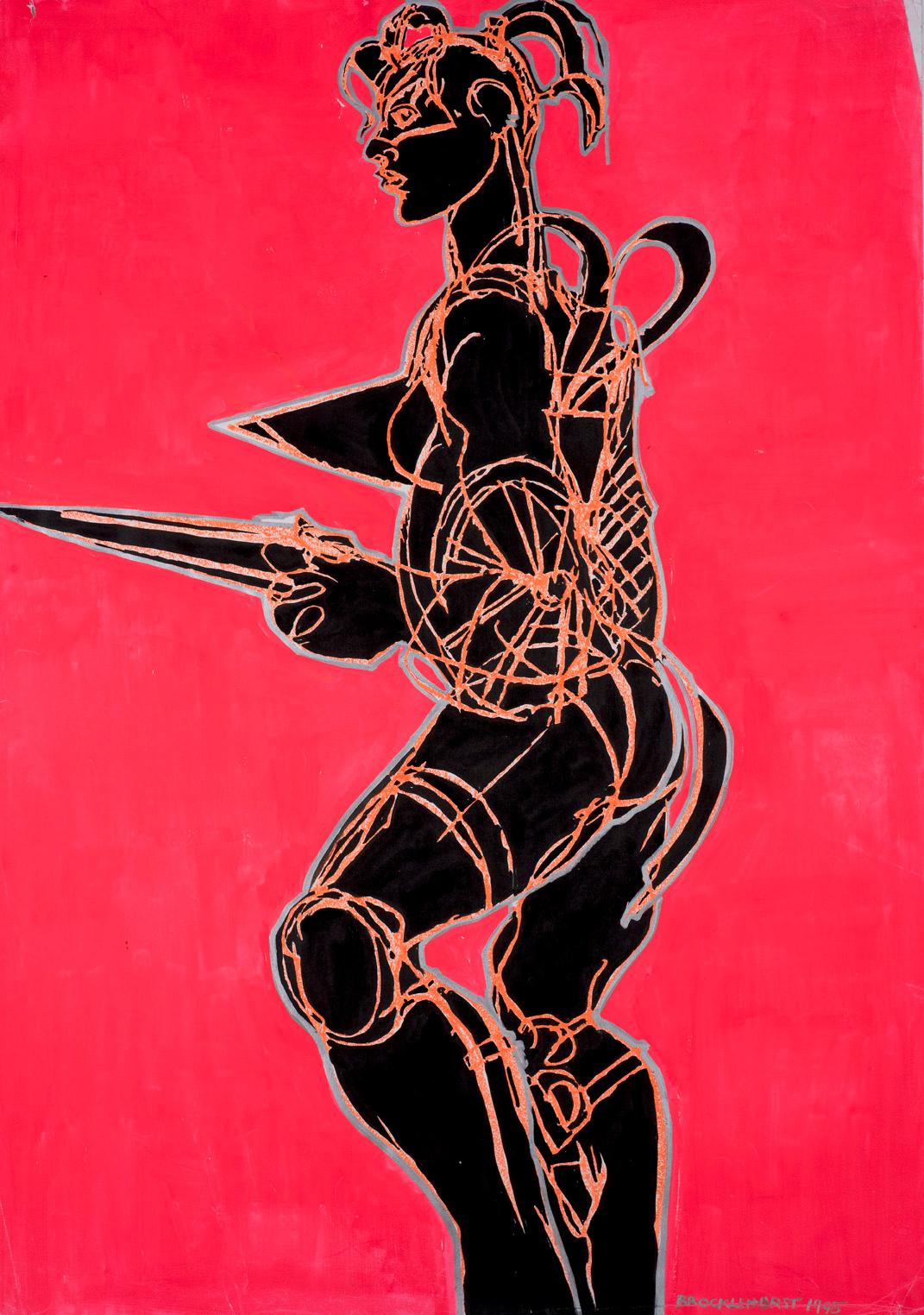
Jo Brocklehurst, Untitled (portrait of Fia Bergsren), 1995
Jo (Josephine) Brocklehurst (1935 - 2006) studied at Central Saint Martins and began her career as a fashion illustrator. She later focused on portraiture, drawing directly from models at her studio in West Hampstead and in nightclubs and theatres in Berlin, London and New York. Her work documents the alternative subcultures of the 1970s, 80s and 90s that went on to shape mainstream fashion and performance scenes. In the 1990s, Brocklehurst began drawing the fashion designers and performers finding space for experimentation in the fetish clubs of Soho and King’s Cross.
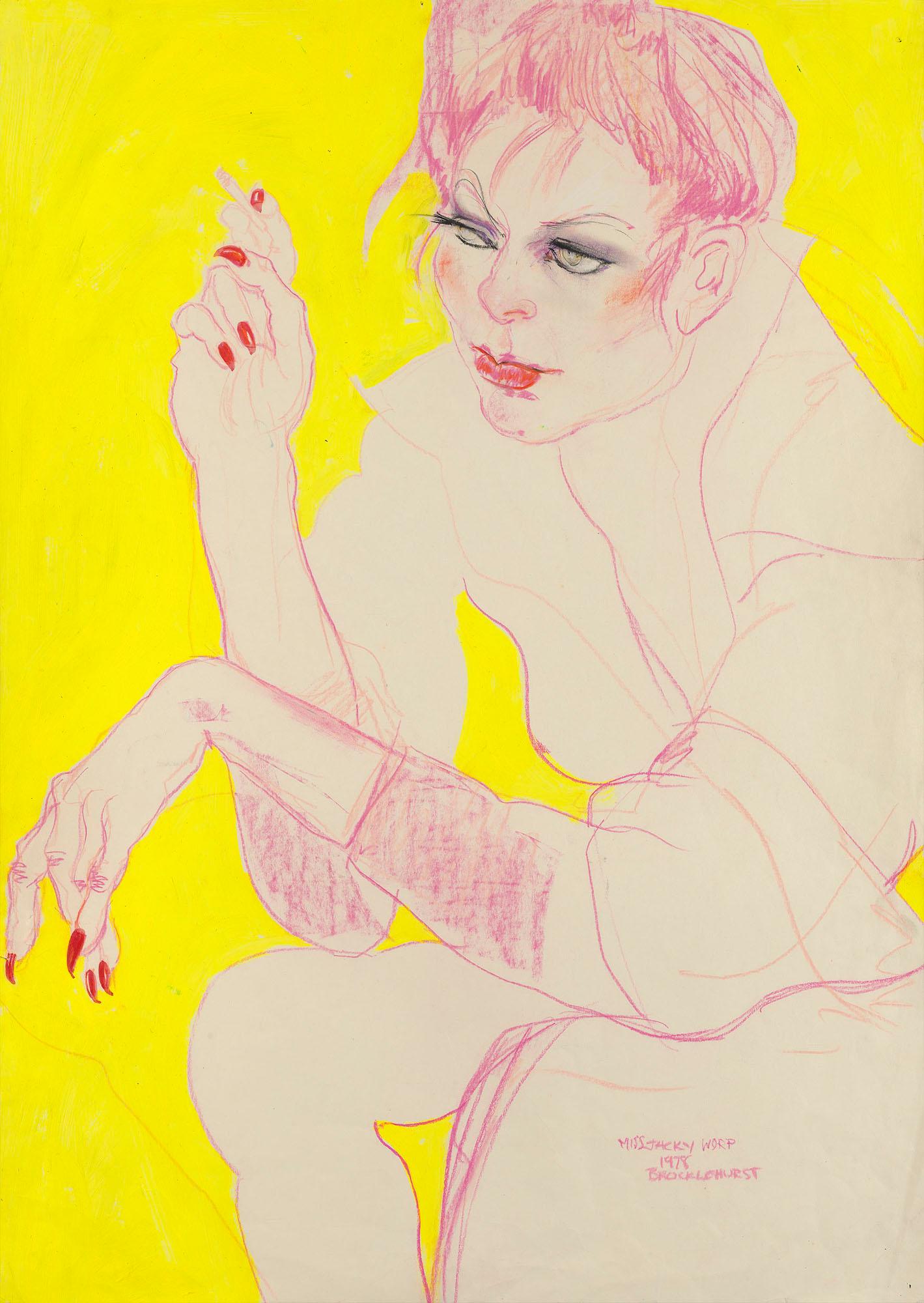
Jo Brocklehurst, Miss Jacky Worp, 1978
Jo (Josephine) Brocklehurst (1935 - 2006) studied at Central Saint Martins and began her career as a fashion illustrator. She later focused on portraiture, drawing directly from models at her studio in West Hampstead and in nightclubs and theatres in Berlin, London and New York. Her work documents the alternative subcultures of the 1970s, 80s and 90s that went on to shape mainstream fashion and performance scenes.
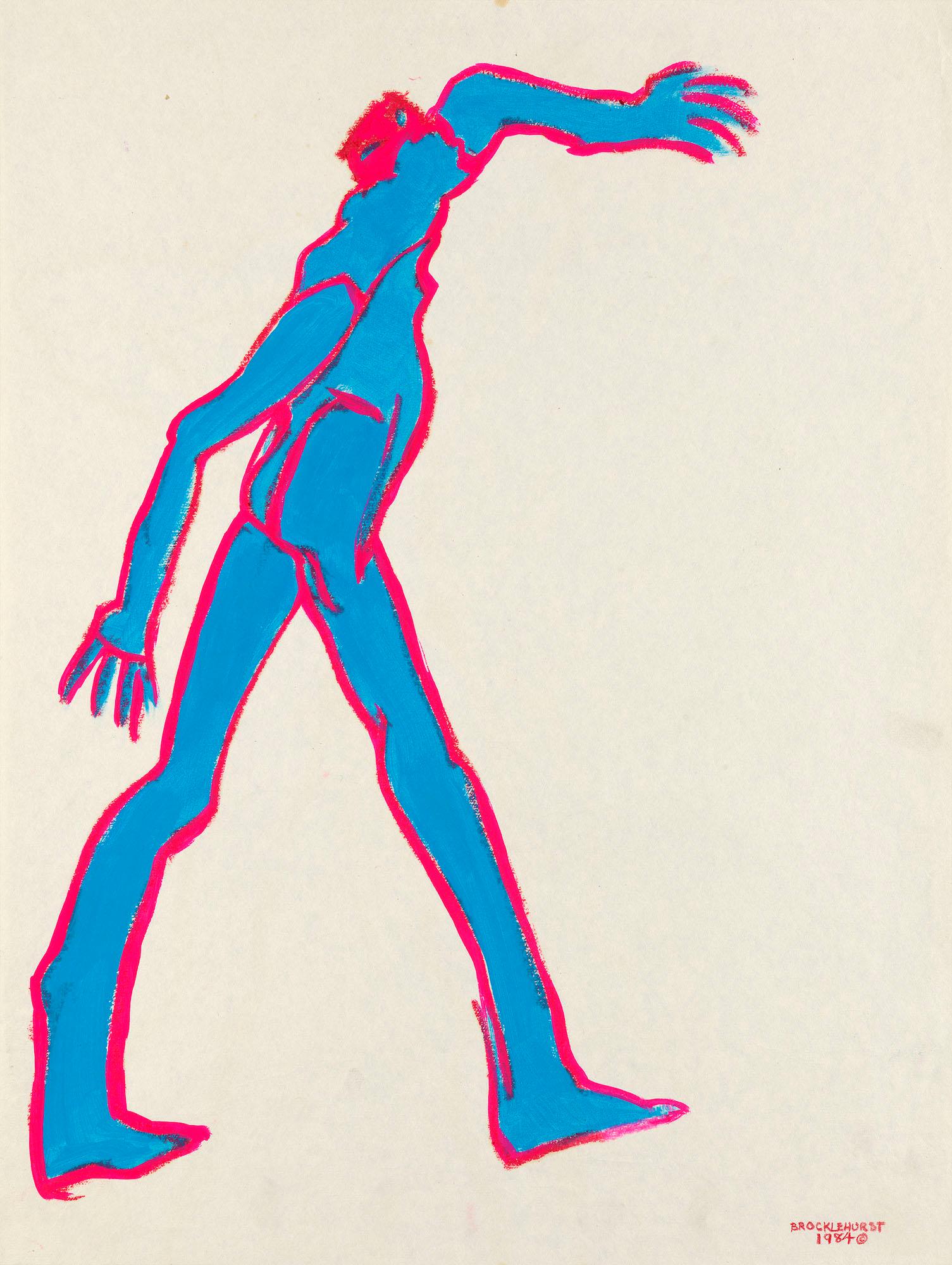
Jo Brocklehurst, Untitled, 1984
Jo (Josephine) Brocklehurst (1935 - 2006) studied at Central Saint Martins and began her career as a fashion illustrator. She later focused on portraiture, drawing directly from models at her studio in West Hampstead and in nightclubs and theatres in Berlin, London and New York. Her work documents the alternative subcultures of the 1970s, 80s and 90s that went on to shape mainstream fashion and performance scenes.
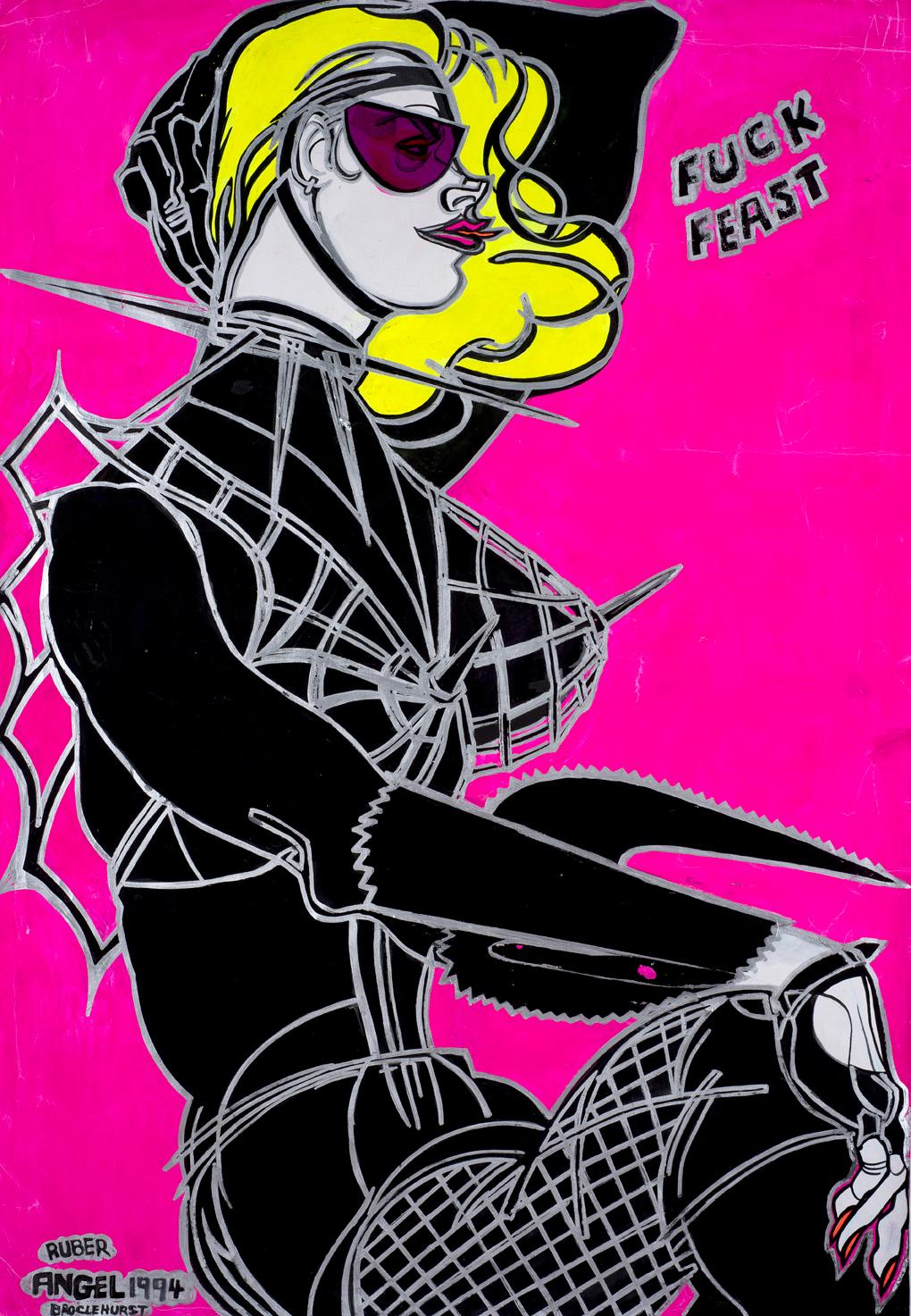
Jo Brocklehurst, Ruber Angel (portrait of Isabelle Bricknall), 1994
Jo (Josephine) Brocklehurst (1935 - 2006) studied at Central Saint Martins and began her career as a fashion illustrator. She later focused on portraiture, drawing directly from models at her studio in West Hampstead and in nightclubs and theatres in Berlin, London and New York. Her work documents the alternative subcultures of the 1970s, 80s and 90s that went on to shape mainstream fashion and performance scenes. In the 1990s, Brocklehurst began drawing the fashion designers and performers finding space for experimentation in the fetish clubs of Soho and King’s Cross. This portrait is of Brocklehurst’s regular collaborator Isabelle Bricknall, whose collection of steel ‘body armour’ (constructed by Anthony Gregory) was designed as ‘protection’ for nights on the fetish scene.
Content warning: strong language