Map
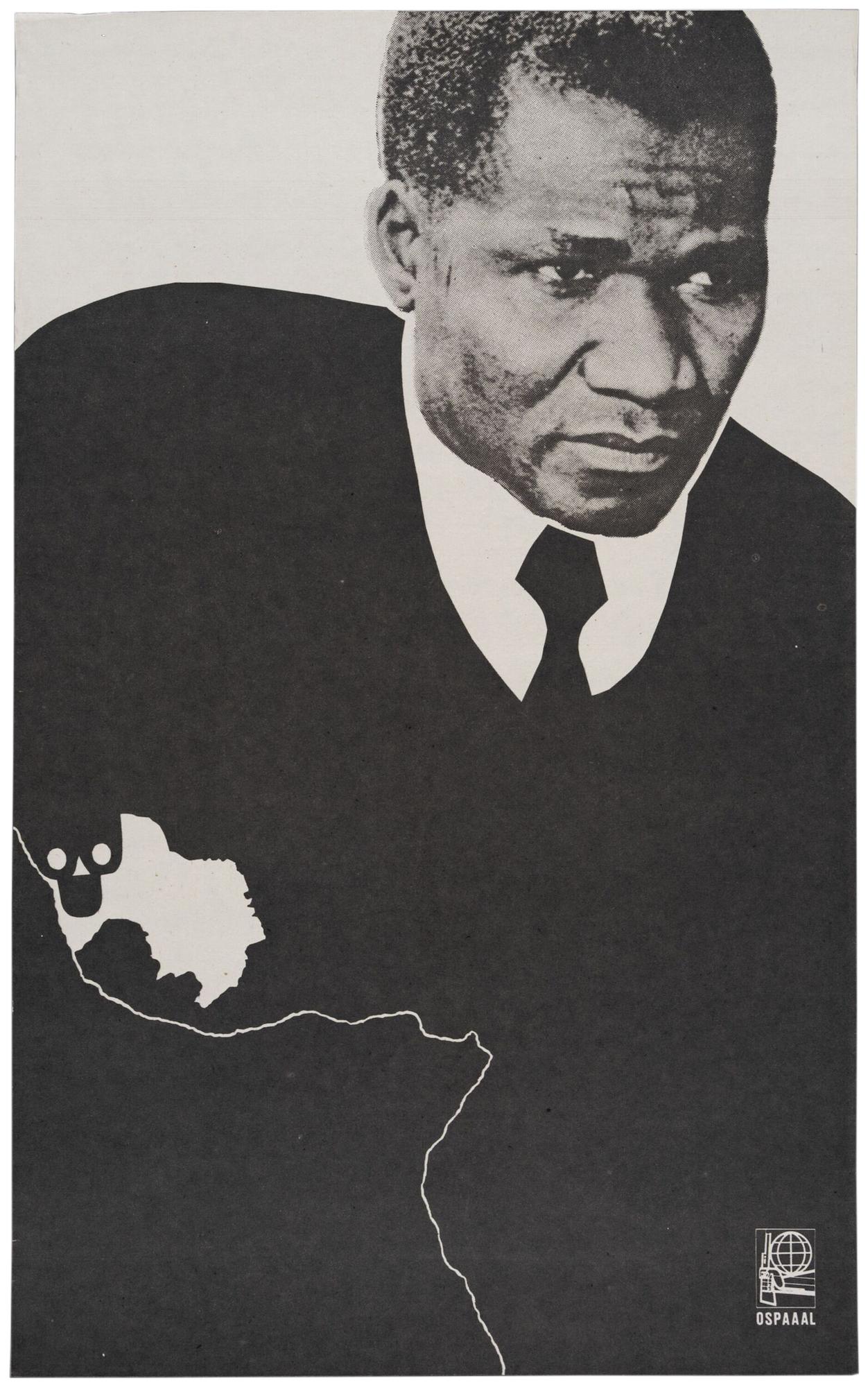
Untitled (Sékou Touré), 1971
Between the 1960s and 1990s, more than fifty designers worked at OSPAAAL (the Organisation of Solidarity with the People of Africa, Asia and Latin America). Based in Cuba, they made magazines and posters that were sent around the world. Their aim was to promote radical political ideas. Many of their posters celebrate socialist revolutions and liberation movements from the Global South. This design is a portrait of Ahmed Sékou Touré, the first President of Guinea after the country gained independence from French colonial rule. On his chest is an outline of the African continent, with Guinea highlighted and a skull over the Guinea-Bissau, which was under Portuguese colonial rule at the time of the poster’s issue.
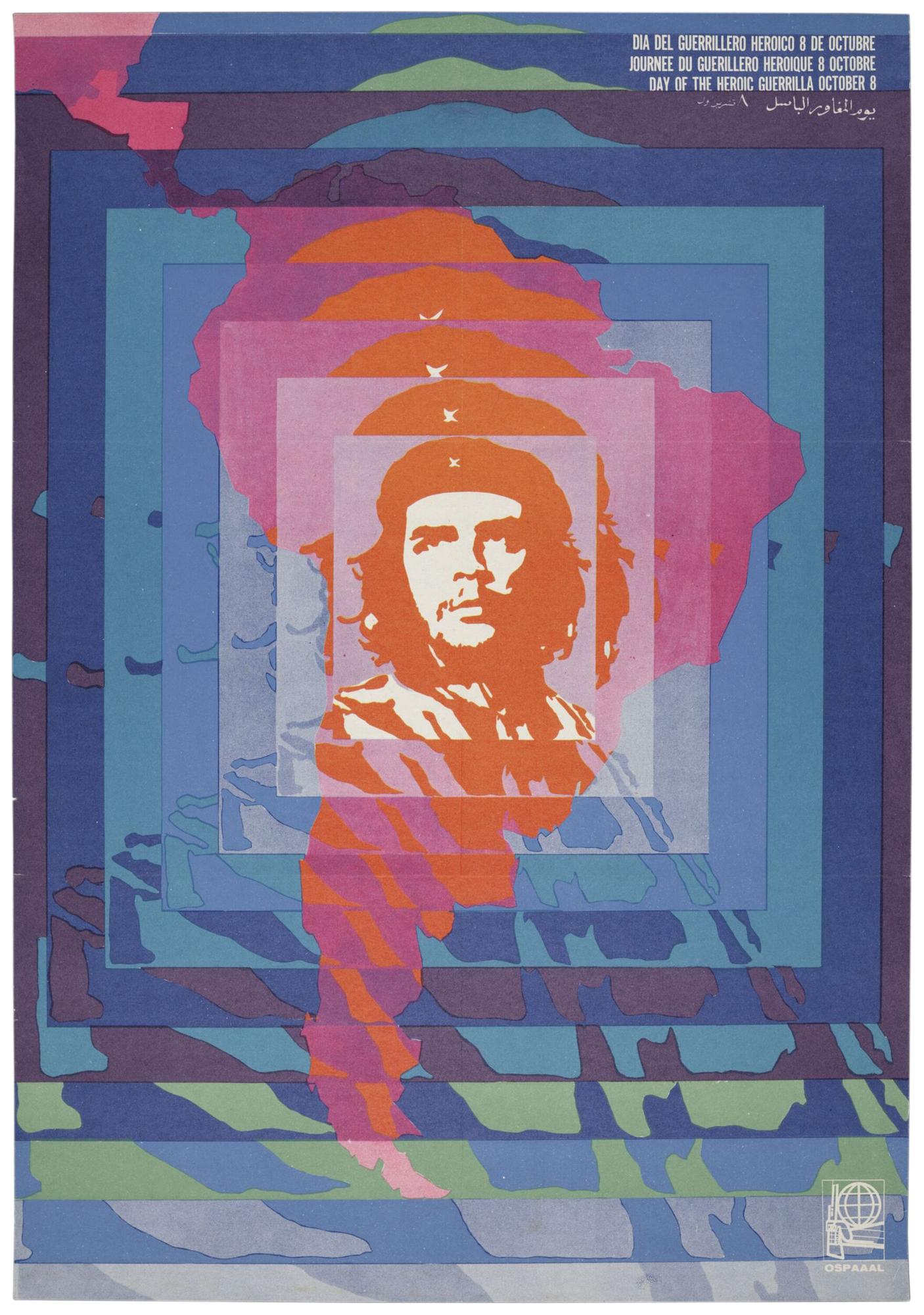
DAY OF THE HEROIC GUERRILLA - OCTOBER 8, 1968
Between the 1960s and 1990s, more than fifty designers worked at OSPAAAL (the Organisation of Solidarity with the People of Africa, Asia and Latin America). Based in Cuba, they made magazines and posters that were sent around the world. Their aim was to promote radical political ideas. Many of their posters celebrate socialist revolutions and liberation movements from the Global South. From 1968, 9 October was designated as the ‘Day of the Heroic Guerilla’ to mark the anniversary of Che Guevara’s death. Helena Serrano was working at the Cuban government’s propaganda commission when she was asked to produce this poster, her only design for OSPAAAL.
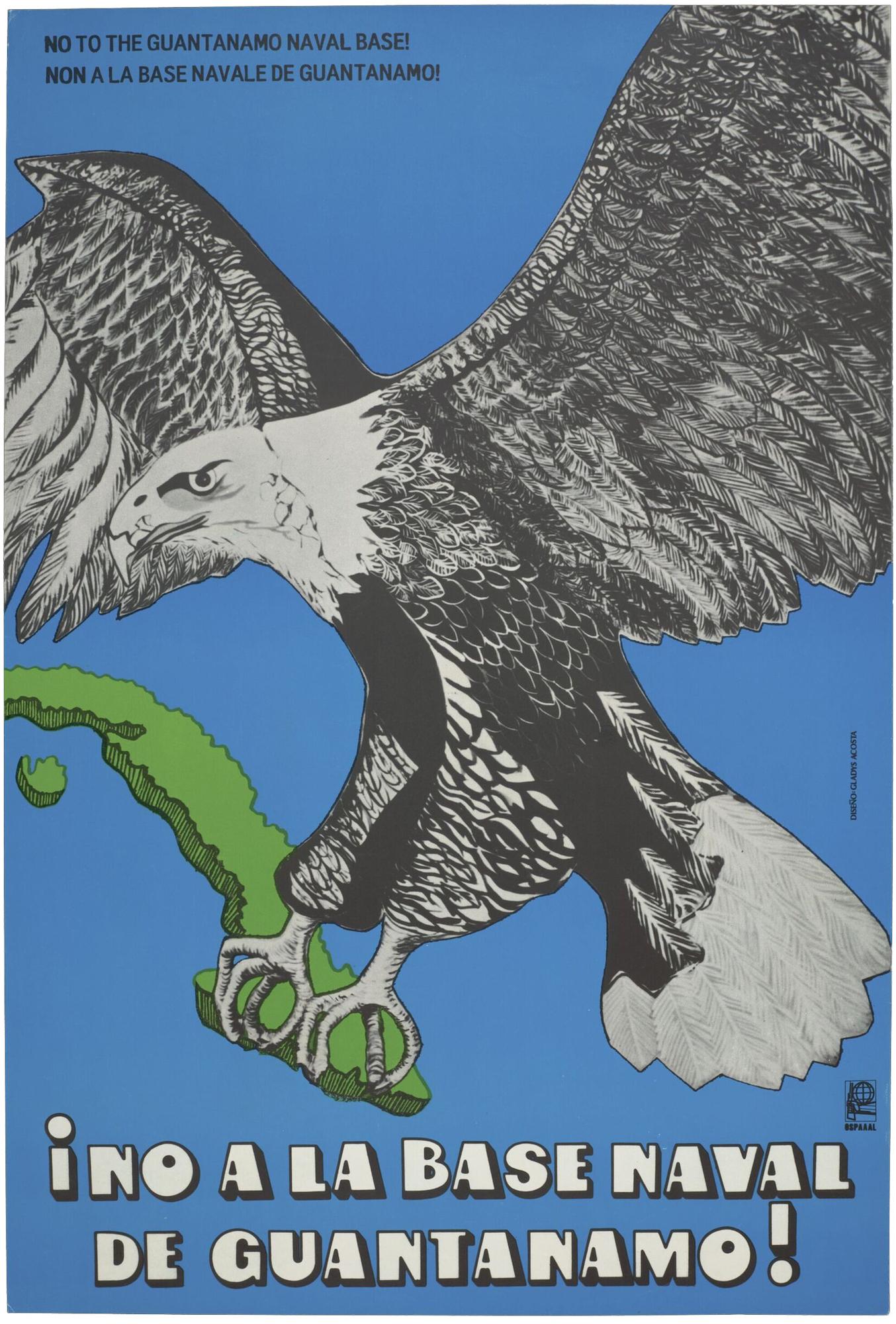
NO TO THE GUANTANAMO NAVAL BASE!, 1993
Between the 1960s and 1990s, more than fifty designers worked at OSPAAAL. Based in Cuba, they made magazines and posters that were sent around the world. Their aim was to promote radical political ideas. Many of their posters celebrate socialist revolutions and liberation movements from the Global South. In this design, Gladys Acosta Ávila uses an eagle to represent the U.S.A. Its talons are hovering over the south of Cuba where the U.S. military’s Guantanamo Bay Naval Base was established in 1903.
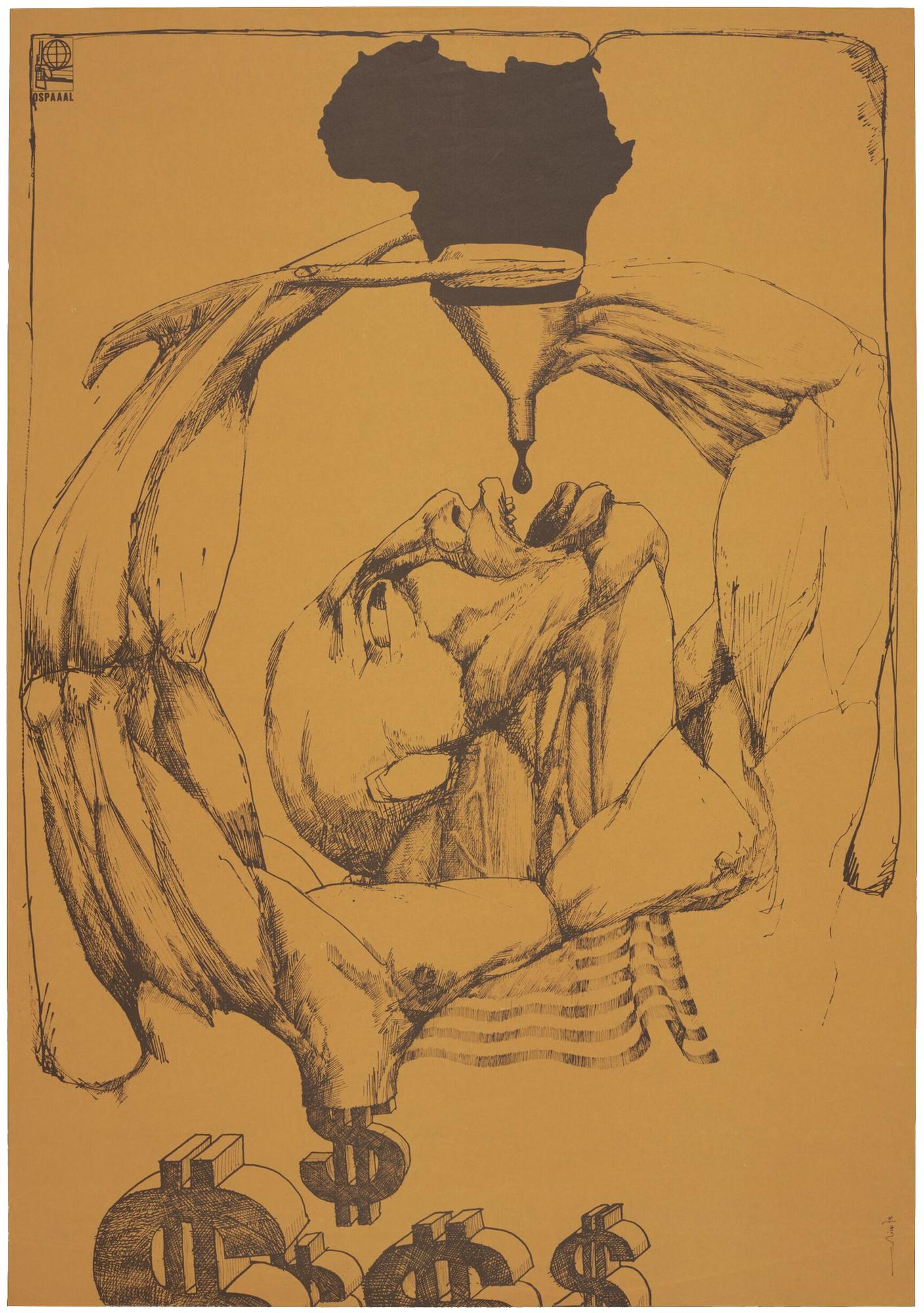
Untitled, 1971
Between the 1960s and 1990s, more than fifty designers worked at OSPAAAL (the Organisation of Solidarity with the People of Africa, Asia and Latin America). Based in Cuba, they made magazines and posters that were sent around the world. Their aim was to promote radical political ideas. Many of their posters celebrate socialist revolutions and liberation movements from the Global South. Olivio Martínez Viera’s design represents the U.S.A. as a monstrous organism extracting resources from Africa for financial gain.
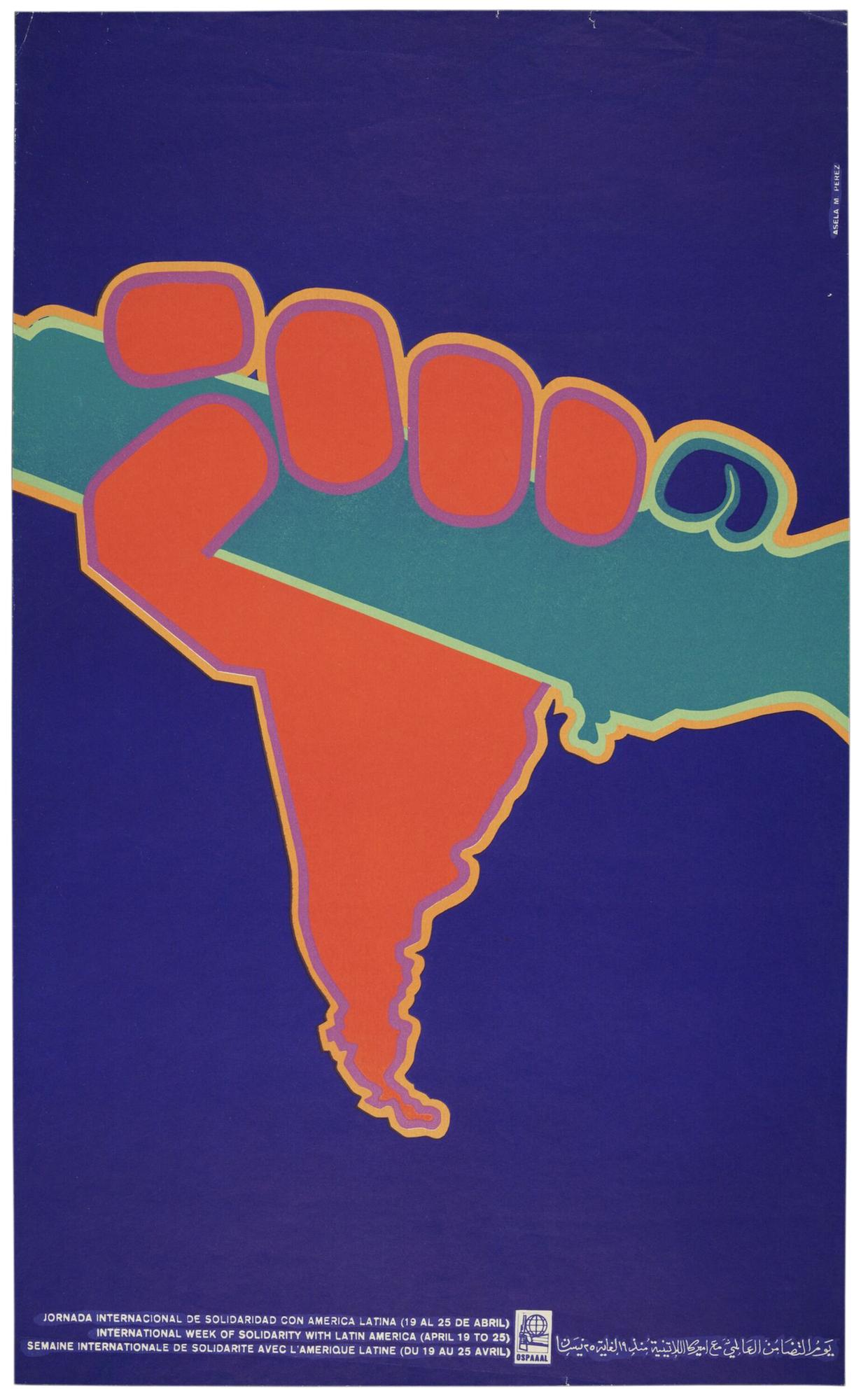
INTERNATIONAL WEEK OF SOLIDARITY WITH LATIN AMERICA (APRIL 19 TO 25), 1970
Between the 1960s and 1990s, more than fifty designers worked at OSPAAAL (the Organisation of Solidarity with the People of Africa, Asia and Latin America). Based in Cuba, they made magazines and posters that were sent around the world. Their aim was to promote radical political ideas. Many of their posters celebrate socialist revolutions and liberation movements from the Global South.
Content warning: weaponry
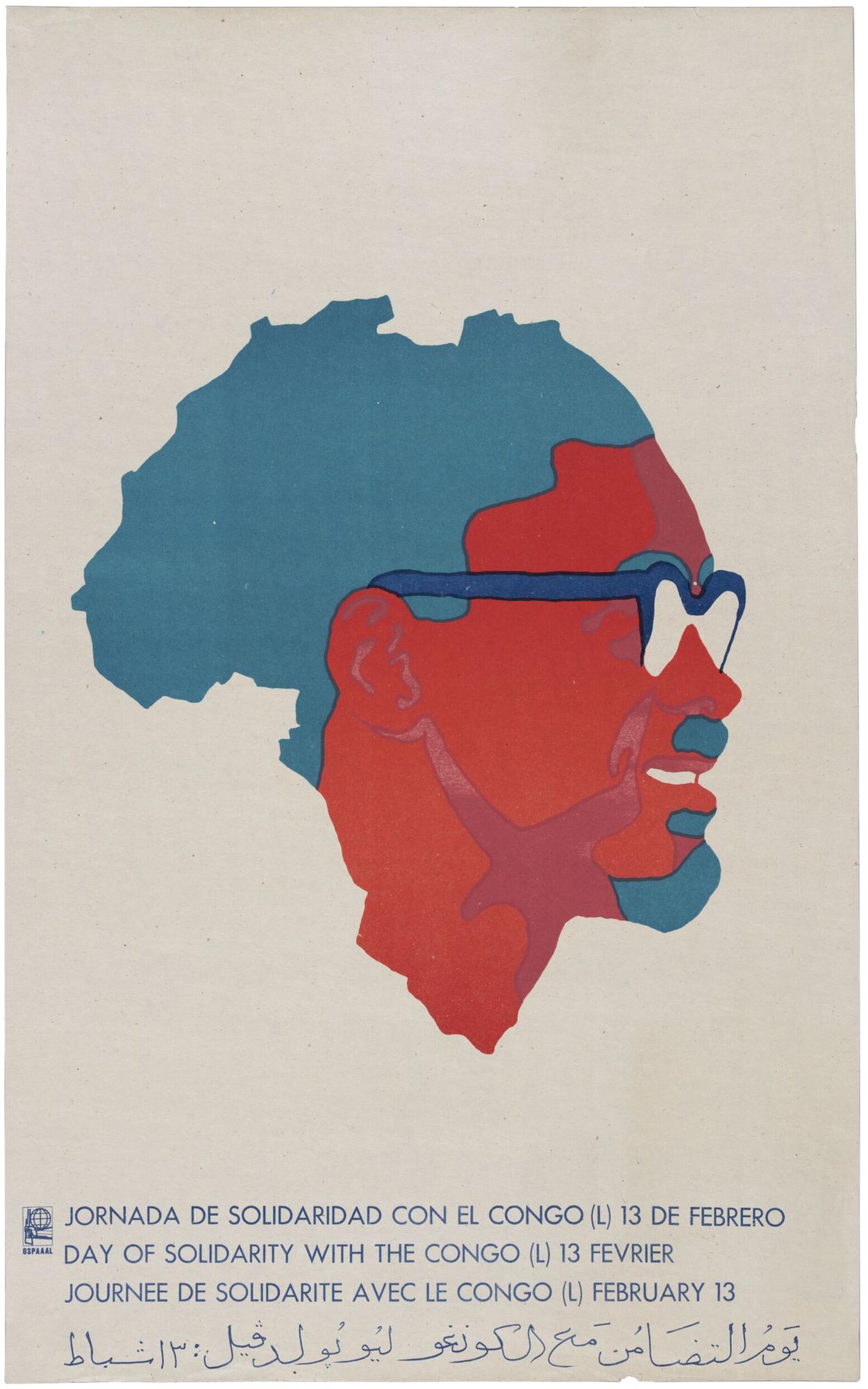
DAY OF SOLIDARITY WITH THE CONGO (L) FEBRUARY 13, 1972
Between the 1960s and 1990s, more than fifty designers worked at OSPAAAL (the Organisation of Solidarity with the People of Africa, Asia and Latin America). Based in Cuba, they made magazines and posters that were sent around the world. Their aim was to promote radical political ideas. Many of their posters celebrate socialist revolutions and liberation movements from the Global South. Patrice Lumumba was the first Prime Minister of the Democratic Republic of the Congo, following the country’s independence from Belgian colonial rule. This poster promotes a day of solidarity with the country on the date that Lumumba’s assassination was announced. It combines Lumumba’s profile with an outline of the African continent to recognise his role as a leader in the Pan-African movement.
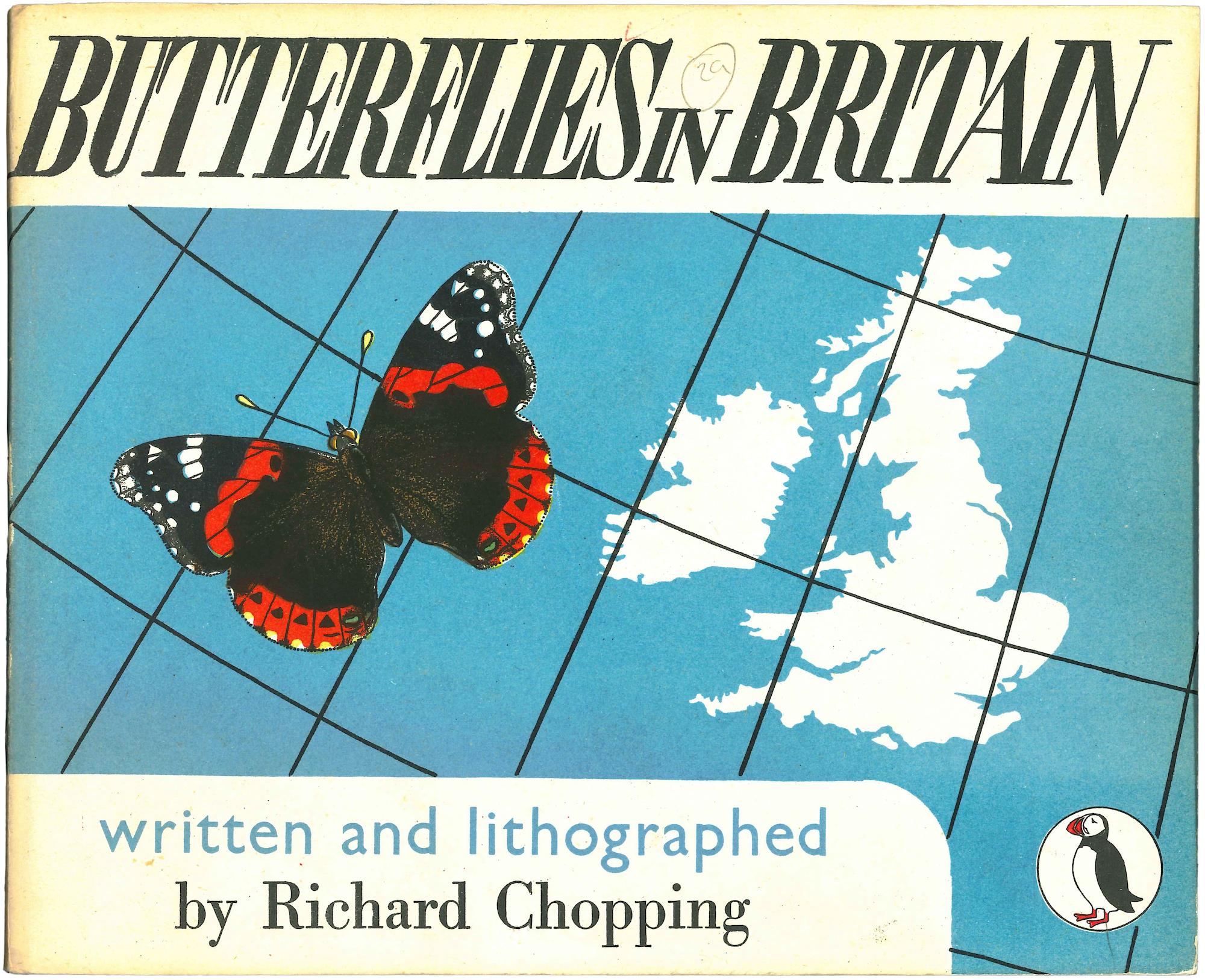
Butterflies in Britain, 1943
The Puffin Picture Books series was established by designer and editor Noel Carrington (1895-1989). In 1933, artist Pearl Binder (1904-1990) sent Carrington a package of Soviet children’s books. “They were produced by the million on very cheap paper, but the drawings were vigorous and the colour delightful” he later remembered. These books inspired Carrington to edit a series of affordable books that would encourage “the child’s awakening interest in its surroundings... I felt that colour was essential, and that artists could... be more successful in books of this nature than the camera”. Many artists and illustrators worked on the series, adapting their ways of working to lithographic printing and the Puffin Picture Book format. Most of the 120 books in the series were printed on one large sheet of paper: one side in colour and one in black-and-white. Each sheet was cut, folded and stapled to create a softcover book.